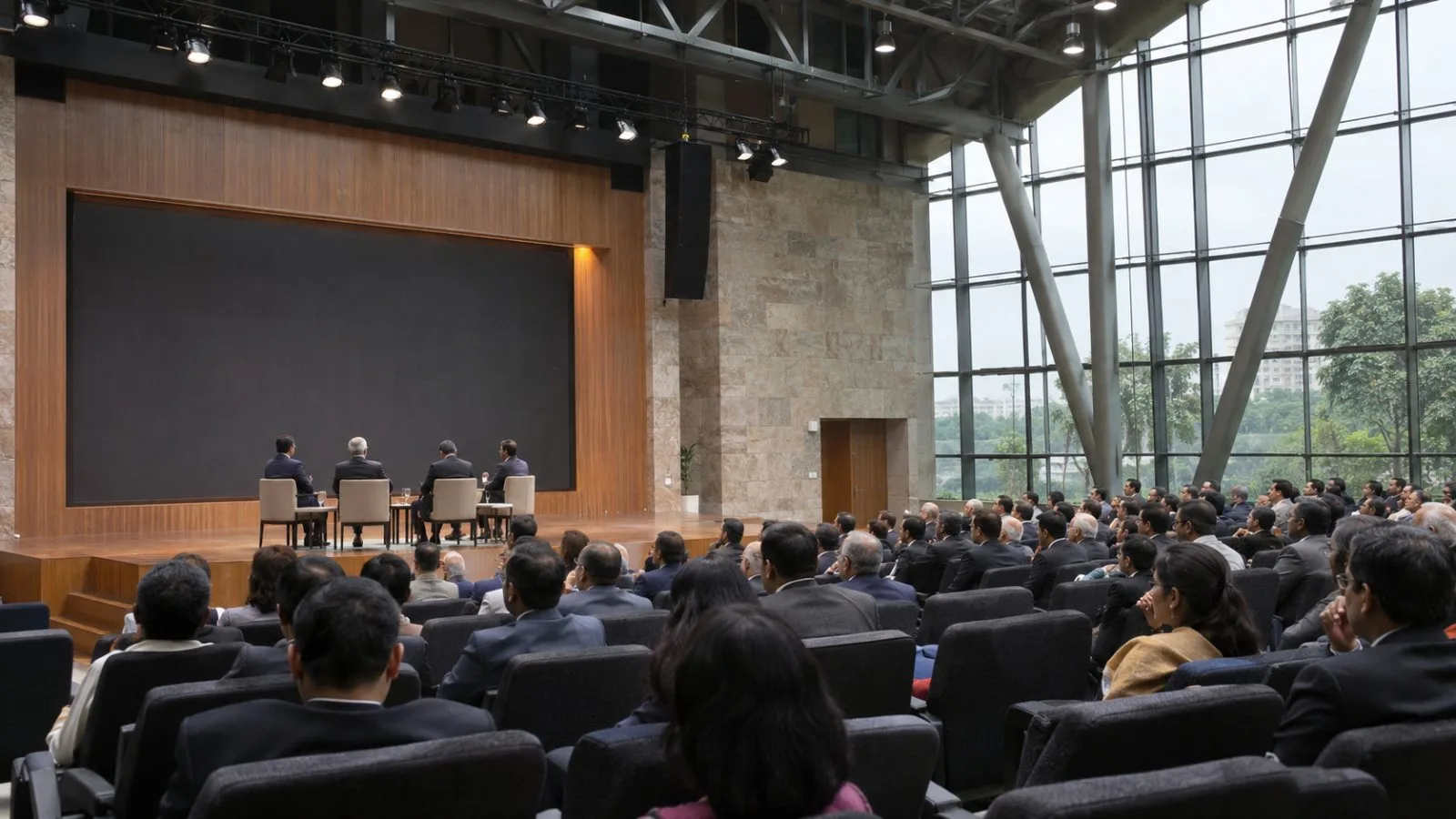
At a Nov. 14 summit in New Delhi, Nobel laureate economist Joseph E. Stiglitz questioned AI investment returns as India’s External Affairs Minister S. Jaishankar outlined industrial priorities tied to a changing global order.
The two spoke at the Hindustan Times Leadership Summit on Saturday, Nov. 14. Their remarks brought U.S. technology jobs and investment returns into the same discussion as India’s industrial capacity. Stiglitz said AI had rapidly affected coding and technology work in the United States, fields he said had helped drive India’s economic transformation. He left open how India should adapt.
Stiglitz argued that investors need some market power to earn expected returns, while competition could push profits lower. He said the AI industry lacks a clear macroeconomic model. His concern was the industry’s place in the wider economy and demand for AI, rather than the business model of one company. He compared the investment boom with the U.S. housing bubble and warned it could break with serious consequences.
Stiglitz said the United States could, in principle, tax AI winners and use some proceeds to invest in people and society. He said redistribution across national borders would not occur, including to countries bearing losses.
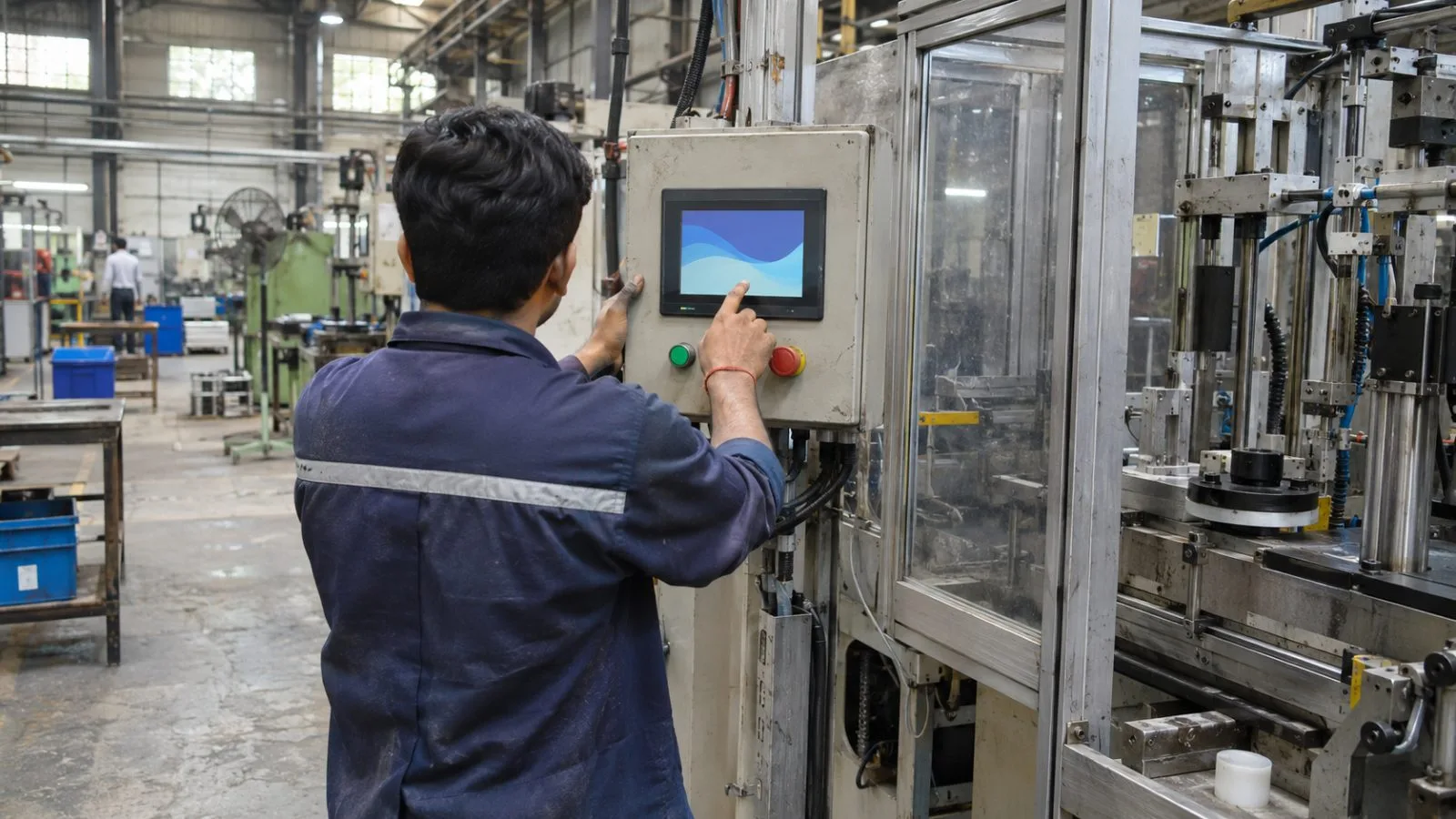
Jaishankar connected domestic capacity to India’s ability to navigate a changing global order. His priorities included manufacturing, support for small and medium enterprises, infrastructure and logistics, education and skills, semiconductors and life sciences, alongside preparation for the AI era. He discussed these capacities as part of a broader agenda, rather than describing every priority as specifically for AI readiness.
His focus on production capacity continues a question raised in an earlier EconoTimes report on India’s manufacturing target and factory-scale AI, which examined the challenge of applying AI in factories.