


 Ethereum Foundation-Linked Wallets Move $11.13M in ETH to Kraken
  Apple Names Steve Smith M&A Chief in Leadership Shakeup
  Binance to Shut Down Crypto Mining Pool Services on November 10
  NEAR Price Surges 11% as Trading Volume Doubles
  TSMC Profit Set to Surge 65% as AI Chip Demand Drives Record Earnings
  Meta Launches Muse Wonder AI Models, Shares Rise 3.7%
  Canton Network Expands in South Korea With Major Partnerships
  XRP Ledger Foundation Confirms 100B Supply Safe After Security Fix
  Robinhood Chain Eyes Priority Gas Auctions for Faster Trades
  Oracle Uses Trucked Natural Gas to Power AI Data Centers Amid Pipeline Delays
  Moonshot AI Executives Seek Settlement Ahead of Hong Kong IPO
  Arthur Hayes Announces FLOP Testnet Launch Within Weeks
  Trump Buys Up to $25M in Meta Stock, Invests in SpaceX Debt
  Navigating the Crypto Pulse: Weekly Market Resilience and Institutional Inflows


 Add as a preferred source on Google
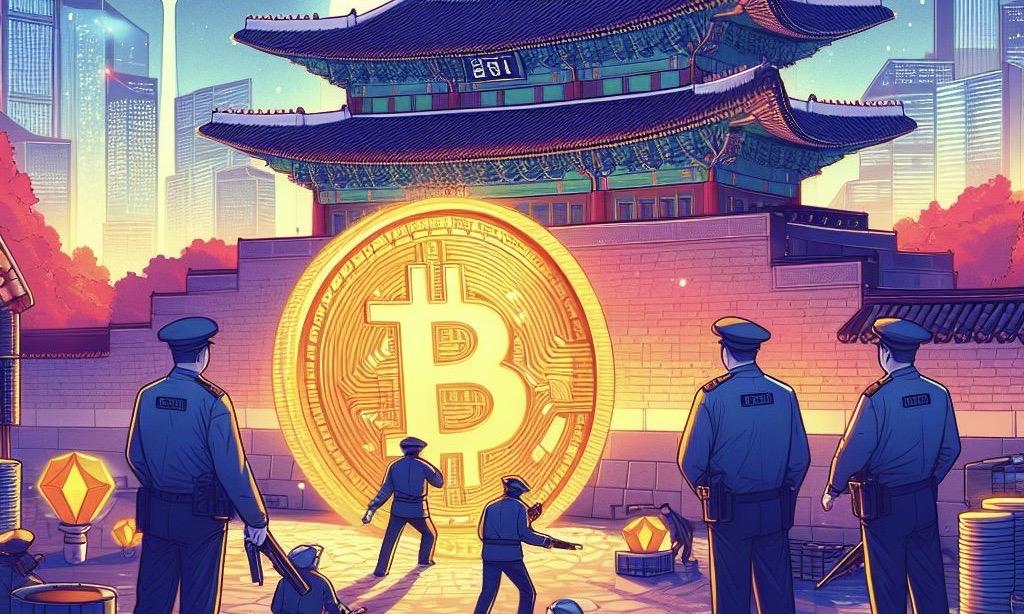
To bolster the security and transparency of cryptocurrency exchanges, South Korean financial authorities are set to introduce stringent regulations for token listings by late April or early May. The new guidelines, aimed at mitigating risks associated with digital assets, will require thorough investigations of tokens with past hacking incidents and mandate detailed disclosures for foreign digital assets targeting the local market.
South Korea to Enforce Rigorous Crypto Listing Rules Amid Enhanced Regulatory Oversight
South Korean financial authorities intend to issue new guidelines imposing stricter regulations for token listings on centralized crypto exchanges by the end of April or early May.
According to local media News 1 (via Cointelegraph), South Korean financial authorities will prohibit listing digital assets with hacking incidents on domestic exchanges until the root cause has been thoroughly investigated
Furthermore, foreign digital assets can only be listed on domestic exchanges after a white paper or technical manual is published for the South Korean market. Tokens listed on a licensed exchange for more than two years may not need to meet these new criteria.
The directives may also require exchanges to remove cryptocurrencies from their listings if issuers fail to adequately disclose critical information, such as discrepancies between actual circulation and disclosed amounts.
The report also stated that the South Korean government is gathering feedback from local exchanges. Since the latter part of 2023, the Financial Supervisory Service has been developing listing guidelines with input from stakeholders such as the Digital Asset Exchange Association.
South Korea Tightens Crypto Regulations in Wake of Terraform Labs Crisis, Boosts Surveillance
The Financial Services Commission is a government agency in South Korea that oversees and regulates financial institutions and markets. The South Korean government updated the Virtual Asset Users Protection Act in early February.
The legislation imposes severe criminal penalties and fines for violations, including a fixed-term prison sentence of more than one year or a fine of three to five times the illegal profits.
This legislation was prompted by a significant industry crisis involving Terraform Labs and its founder, Do Kwon, a South Korean citizen. Terra's collapse in May 2022 caused more than $450 billion in losses.
The Gyeonggi Provincial Tax Justice Department, in South Korea's most densely populated province, collected 6.2 billion won ($4.6 million) in unreported taxes in 2023 after implementing a digital tracking system aimed at tax evaders' crypto accounts.
The Financial Intelligence Unit of South Korea reported that domestic digital asset exchanges flagged 49% more suspicious transactions in 2023 than in 2022, per CryptoPotato. On February 14, the FIU unveiled its work plan for 2024, emphasizing critical data and strategic initiatives for cryptocurrency regulation.
Photo: Microsoft Bing







