


 Jordan Bardella Antisemitism Allegations Threaten Le Pen’s Campaign
  Trump Calls for Zelenskyy Replacement Amid Russian Diesel Deal
  India Voter List Protests Reach Supreme Court as Opposition Demands Election Chief's Resignation
  Yandex Data Center Hit by Drone Strike as Russia-Ukraine Cyber Infrastructure Attacks Escalate
  Trump Denies Russia and China Are Helping Iran in U.S. Conflict
  Panama Declares Emergency After 7.7 Earthquake Triggers 200 Aftershocks
  Kim Jong Un Showcases ICBM Ahead of Possible Trump Meeting
  Houthis Warn Saudi Airports After Deadly Riyadh Attack
  Brazil Election: Lula and Bolsonaro Rally Ahead of October 25 Runoff
  Zelenskiy Offers Russia Energy Truce Amid Trump Pressure
  Trump Sanctions International Criminal Court, Sparking EU Backlash
  NATO Commander Warns Russia of Devastating Response to Attack
  Elon Musk Donates $366 Million to 2026 US Midterms
  US Condemns China Sanctions on Taiwan Allies Belize and Paraguay
  North Korea Fires Ballistic Missiles Amid Rising Tensions With South Korea
  Pakistan Declares Emergency in Khyber Pakhtunkhwa, Suspends Imran Khan’s PTI Government
  Djibouti Migrant Boat Capsizes, Killing 139 and Leaving 84 Missing


 Add as a preferred source on Google
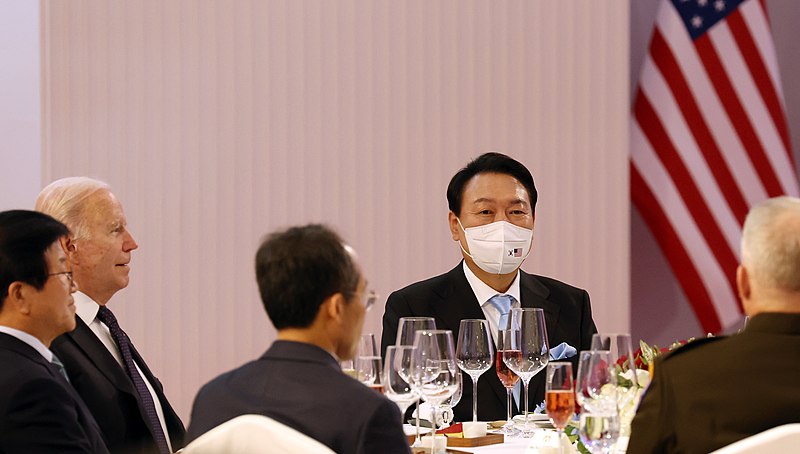
South Korean President Yoon Suk-yeol this week ordered an update on plans to address the growing threat posed by North Korea in nuclear arms and missiles. This comes amidst tensions in the peninsula, as Pyongyang continues to develop its nuclear program.
Yoon’s office said Thursday that he requested updates on the South Korean military’s operational plans to address North Korea’s nuclear and missile threats. Yoon gave the order during his first visit to a military bunker in Seoul that would become a command post in the event of a war.
Yoon said that the military drills this year were being done amidst a changed scenario and the operational plans reflected the growing threats posed by North Korea.
“We need to urgently prepare measures to guarantee the lives and property of our people, including updating operational plans against North Korea’s nuclear and missile threats that are becoming a reality,” said Yoon.
Yoon’s visit also took place at the same time as South Korea and the United States kicked off their military drills, the largest in years. The annual summer military drills, now known as the Ulchi Freedom Shield, are set to finish on September 1.
The drills this week involve the first field training between both countries since 2017 when it was scaled back considerably due to the pandemic and Yoon’s predecessor, Moon Jae-in’s attempts to improve relations with North Korea.
Yoon, who took office in May, pledged to boost overall readiness against North Korea and called for bolstering the military’s capability to independently counter North Korean missiles while reinforcing the US extended deterrence that included its nuclear umbrella.
The new South Korean envoy for North Korean human rights Wednesday has called on China not to deport North Korean defectors. China has been criticized for deporting North Korean defectors, whom Beijing describes as illegal migrants trying to flee their country for economic reasons.
The new envoy, Lee Shin-hwa, said quiet diplomacy may be needed to convince China to comply with the principle of non-refoulment, which obliges host countries to refrain from returning migrants seeking asylum or refugees to a place where their lives may be at risk.







