


 Mahmoud Abbas Postpones Palestinian Elections to September 2027
  Houthis Warn Saudi Airports After Deadly Riyadh Attack
  Trump Announces Russia-Ukraine Energy Ceasefire Amid U.S. Pressure on Kyiv
  Panama Declares Emergency After 7.7 Earthquake Triggers 200 Aftershocks
  US Judge Blocks Trump Administration’s Taxpayer-Funded Political Ads
  Venezuela’s Machado Calls for Elections by July 2027
  Trump Sanctions International Criminal Court, Sparking EU Backlash
  US, EU Push for Action Against Asia’s Excess Factory Capacity
  US Charges Maduro and Wife With Torture Conspiracy
  Yandex Data Center Hit by Drone Strike as Russia-Ukraine Cyber Infrastructure Attacks Escalate
  Djibouti Migrant Boat Capsizes, Killing 139 and Leaving 84 Missing
  Trump Calls for Zelenskyy Replacement Amid Russian Diesel Deal
  Brazil Election: Lula and Bolsonaro Rally Ahead of October 25 Runoff
  Zelenskiy Slams US Over Deadly Russian Strikes on Ukraine
  Zelenskiy Offers Russia Energy Truce Amid Trump Pressure
  Flavio Bolsonaro Leads Lula 49%-45% in Brazil Runoff Poll


 Add as a preferred source on Google
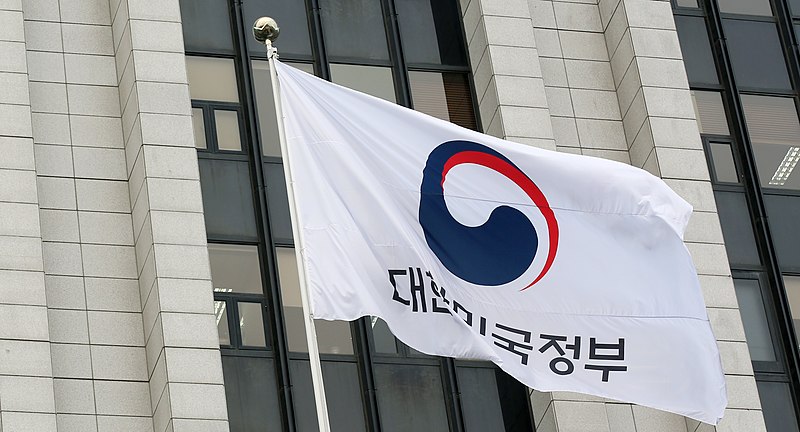
South Korea’s finance minister said the government plans to streamline public organizations. The move comes as concerns were raised regarding the efficiency following the expansion of operations under the previous administration.
In a statement after a meeting Friday last week, South Korean finance minister Choo Kyung-ho said that the government would be streamlining public organizations, citing efficiency concerns after the expansion of operations under the administration of Moon Jae-in.
The government will be cutting down the number of employees as well as the expenses of the organizations as a first step, according to Choo.
Choo said 350 public organizations are employing 449,000 people as of the end of May, with a combined liability amount of 583 trillion won or $449 billion at the end of 2021. This was an increase of 34 and 17 percent respectively in the last five years.
Choo also said that there were concerns among the public and experts regarding efficiency and profitability matching the scale of the expansion of operations in public organizations.
This comes as President Yoon Suk-yeol, who began his term in May, pledged to make reforms to the public sector. Yoon said early last month that his administration would be cutting expenditure and selling non-core assets at public enterprises. Yoon is also suffering from low approval ratings, going down to 28 percent from 32 percent last month, according to Gallup Korea.
Also, last week, Indonesia and South Korea expanded a cooperation agreement regarding the construction of a new Indonesian capital city in Borneo to replace Jakarta, allowing Korean companies to take part in building the digital infrastructure for the potential new capital.
Indonesia and South Korea signed an agreement back in 2019 to work together on the $32 billion project, where Indonesia will relocate its capital to Nusantara on Borneo island. Yoon and Indonesian President Joko Widodo made the revised agreement during the recent summit in Seoul.
Yoon told reporters in the joint news conference that the agreement would lay “the groundwork for our companies to actively contribute to building the new Indonesian capital’s infrastructure, electronic government, and smart city systems.”
Yoon added that South Korea could share its experience in building the administrative city of Sejong, which was launched in 2012.







