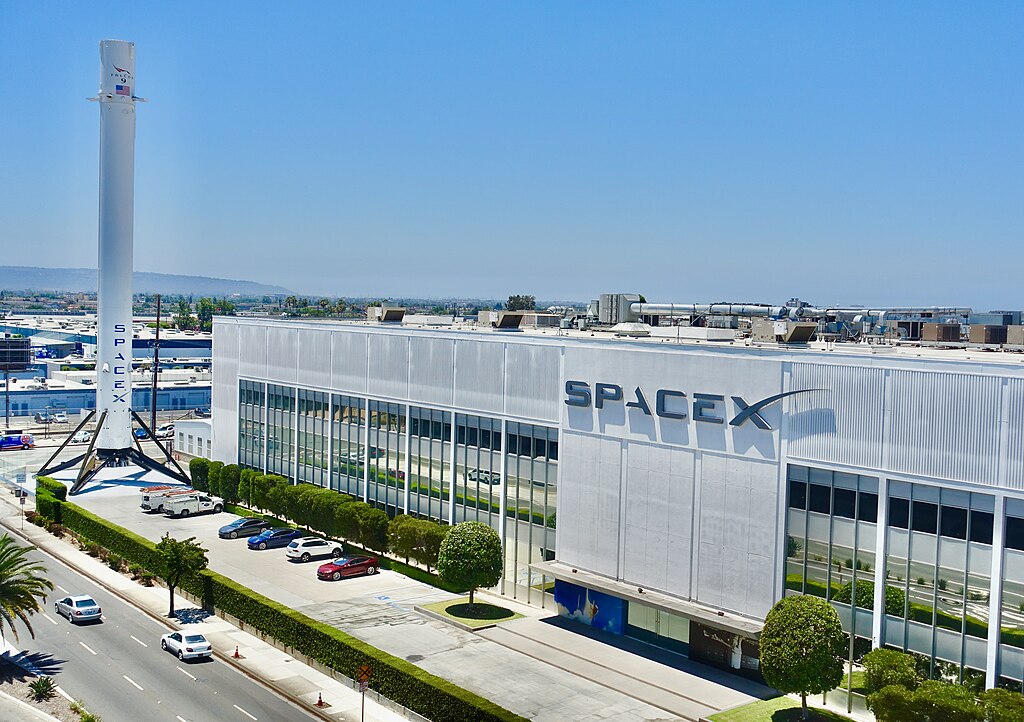
SpaceX (NASDAQ: SPCX) could spend between $50 billion and $130 billion, including spectrum costs, to develop a standalone terrestrial network supporting its direct-to-device mobile service, according to Bernstein analysts.
Analysts led by Douglas Harned remain positive on SpaceX’s broader growth prospects, including satellite launches, orbital data centers and Starlink broadband services for consumers, businesses and governments. However, they described the company’s direct-to-device mobile strategy as its most challenging business opportunity.
SpaceX is expected to begin Starship launches for its Mobile V2 satellite constellation in mid-2027. Bernstein estimates that building the supporting terrestrial infrastructure could cost about $15 billion to $80 billion before spectrum expenses, potentially requiring between 30,000 and 120,000 macro cell sites.
The final cost would largely depend on how closely SpaceX wants its network quality to compete with established wireless carriers and whether it acquires 10 MHz of low-band spectrum expected to be auctioned by Grain.
Elon Musk recently responded “not true” to a Bloomberg report claiming SpaceX was considering Grain’s spectrum. Bernstein, however, said a potential acquisition remains possible. AST SpaceMobile (NASDAQ: ASTS), a major SpaceX competitor in satellite-to-phone connectivity, has also shown interest and received a 30-day special temporary authorization from the Federal Communications Commission in August to test coverage using the spectrum.
Bernstein evaluated six potential SpaceX network configurations. They range from a basic “Metro” network covering roughly 70% of the U.S. population to a “Premium” network designed to approach the quality of existing telecom operators.
The firm’s base-case “National” network assumes SpaceX acquires Grain spectrum and spends approximately $70 billion to deploy around 57,000 macro sites over eight years. Bernstein estimates that adding low-band spectrum could reduce the required number of sites by roughly 30%.
Despite the potential cost of building its own terrestrial mobile network, Bernstein believes SpaceX is more likely to pursue a partnership. Still, the company has continued to suggest that an independent buildout remains an option, keeping potential infrastructure costs in focus for investors and the telecom industry.