


 Moonshot AI Executives Seek Settlement Ahead of Hong Kong IPO
  Solidigm Taps Goldman, Morgan Stanley for $10 Billion US IPO
  TSMC Profit Set to Surge 65% as AI Chip Demand Drives Record Earnings
  Apple Supplier Luxshare Faces US Patent Probe, Sees Limited Impact
  Elon Musk Accuses Indian Telecom Giants of Blocking Starlink Launch
  Amazon in Talks to Acquire AI Startup Decart for $7 Billion
  Tencent Shares Fall as $5 Billion AI Bond Sale Weighed
  Trump Buys Up to $25M in Meta Stock, Invests in SpaceX Debt
  Samsung Q3 Profit Hits Record High on AI Memory Demand
  Epic Games Delays Disney Shooter, Shifts to AI-First Development
  Oracle Uses Trucked Natural Gas to Power AI Data Centers Amid Pipeline Delays
  Robinhood Chain Eyes Priority Gas Auctions for Faster Trades
  TSMC Q3 Revenue Beats Estimates as AI Chip Demand Surges
  OpenAI Annualized Revenue Hits $50 Billion, Below Earlier Estimates


 Add as a preferred source on Google
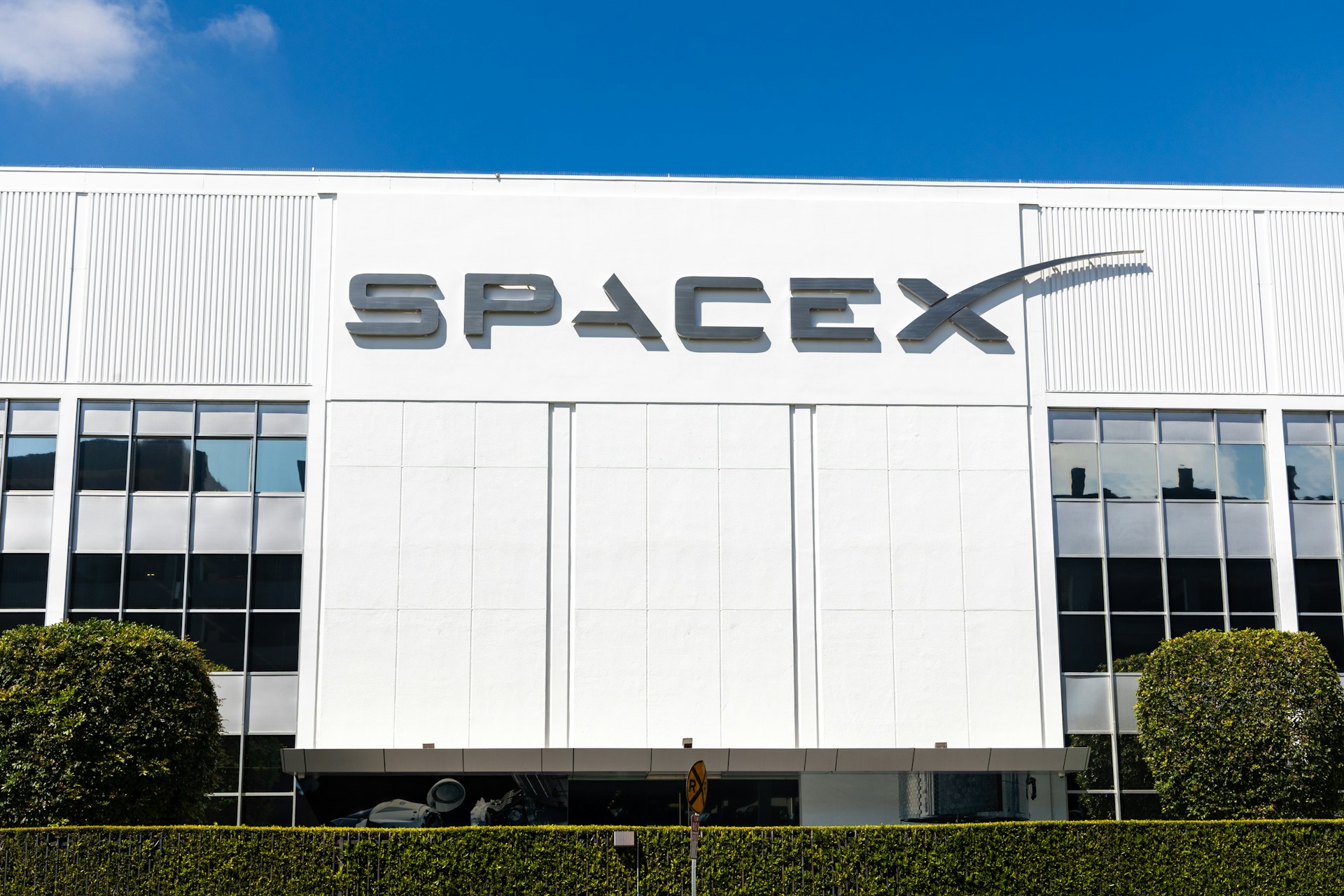
SpaceX has requested FCC approval to extend its Starlink cellular service trials to several countries. The company aims to connect unmodified mobile phones directly via satellites. This expansion includes partnerships with local carriers across Canada, Australia, New Zealand, and Japan, marking a significant step in global mobile connectivity.
SpaceX Expands Global Reach of Starlink Cellular Trials, Partners with International Carriers
The trials will use SpaceX's "Direct to Cell" satellites to provide internet connectivity to unmodified mobile phones. SpaceX hopes to provide cellular service in the United States through a partnership with T-Mobile. The private space company will partner with local carriers like Rogers in Canada, Optus in Australia, One New Zealand in New Zealand, and KDDI in Japan for international deployments.
“SpaceX notes that, like in the United States, the proposed testing will occur in spectrum bands and geographic areas where its mobile partners are the sole domestic licensee. SpaceX has executed spectrum access arrangements with mobile partners around the world, granting SpaceX permissions to use agreed-upon ranges of its mobile partner’s licensed spectrum for SCS operations in their licensed areas in these international jurisdictions,” SpaceX’s FCC filing read.
According to a PCMag report (via Teslarati), SpaceX has signed agreements with seven carriers for cellular Starlink testing, with the potential to expand to four additional markets. The FCC filing also stated that SpaceX has formed supplemental coverage alliances in Chile, Peru, and Switzerland.
SpaceX's request comes just weeks after the FCC cleared the company to expand its cellular Starlink tests in the United States. SpaceX plans to launch up to 840 Starlink satellites with direct-to-cell capabilities in the coming months. Expectations are also high for T-Mobile customers in the United States to have access to cellular Starlink services later this year, assuming SpaceX receives FCC approval.
SpaceX Reports Strong Results in Starlink 'Direct to Cell' Testing, Eyes Further Expansion
In last month's report by PCMag, SpaceX's cellular Starlink system has thus far been a "massive success, meeting or exceeding testing objectives," according to a letter sent to the FCC.
The letter describes SpaceX's progress in testing its "Direct to Cell" Starlink technology, which sends internet data from orbiting satellites to phones on the ground.
The company previously took to Twitter to tout some of its successful tests, which recently included delivering download speeds of 17Mbps. The letter elaborates further, stating that SpaceX employees have been testing the technology's capabilities in Redmond, Washington; Mountain View, California; and Kansas City, Kansas.
“Among other results, the satellites have been able to communicate with multiple models of unmodified Samsung, Apple, and Google devices using (T-Mobile’s) PCS G Block spectrum, including in urban and rural areas, indoors and outdoors, and in clear sky and under tree cover,” the company said.
SpaceX used unmodified phones from the Galaxy, iPhone, and Pixel lineups. According to the company, "These devices properly communicated for the duration of the satellite pass and did not experience harmful interference from adjacent-band devices."
The other intriguing aspect is how the cellular Starlink technology can beam internet data to phones indoors. The letter does not provide specifics, but it does state that SpaceX has been testing cellular satellite technology within the maximum authorized power flux density, which the FCC defines as the "amount of energy emitted by a transmitter that is present over a unit area."
“This has enabled devices to communicate with the satellites through tree cover and indoors (although the direct-to-cell service is designed for outdoor use), and down to an elevation angle of 25 degrees,” the company added.
According to the letter, in addition to tweeting and relaying SMS messages, the cellular Starlink technology could send messages via WhatsApp.
Rival telecommunications and satellite providers are concerned that the cellular Starlink satellites will cause radio interference. The company's letter stated, “Over two months of daily testing, SpaceX has not received any notices of harmful interference from any in-band, out-of-band, or cross-border users, and has no reason to believe such interference has occurred.”
Pending FCC approval, the company intends to launch the cellular Starlink system for T-Mobile customers later this year, initially to enable satellite-based SMS messaging. Support for voice calls and data is expected next year. To power the service, the company intends to launch more than 800 Direct-to-Cell satellites in the coming months.
Photo: Sven Piper/Unsplash







