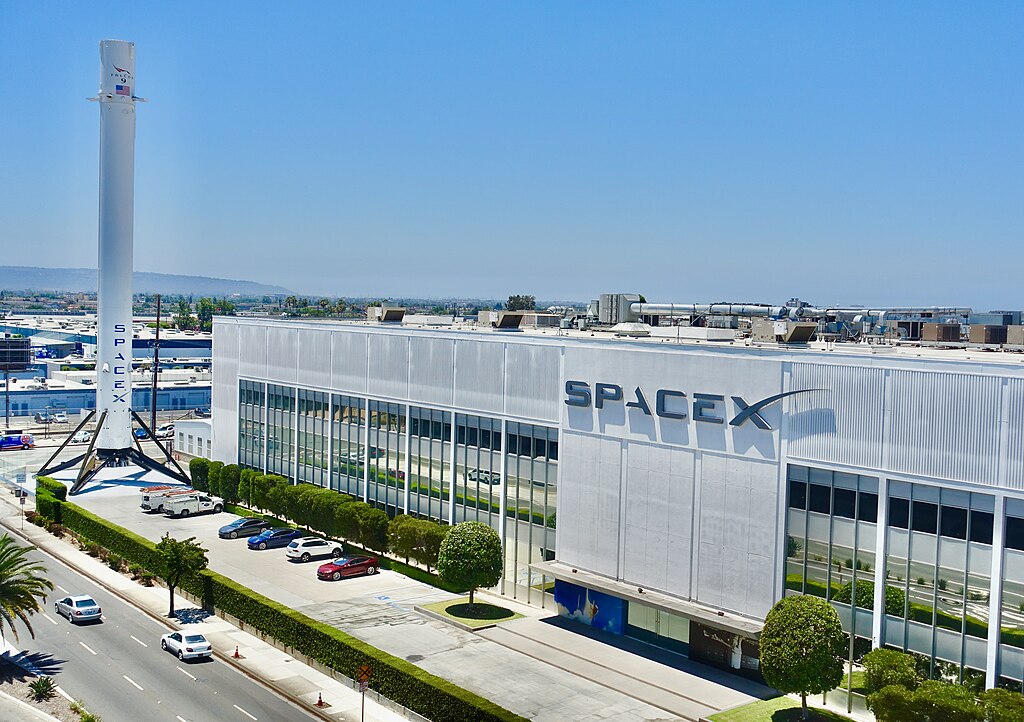
Several major Wall Street banks have launched coverage of Space Exploration Technologies (SpaceX) ahead of its inclusion in the Nasdaq-100 Index, assigning price targets between $190 and $300 as analysts take different views on the company's artificial intelligence, satellite, and space infrastructure businesses.
The coverage comes just before SpaceX joins the Nasdaq-100 on Tuesday, a move expected to drive significant passive fund inflows. JPMorgan previously estimated that index-tracking funds could purchase roughly $4.3 billion worth of SpaceX shares following the addition.
SpaceX, which made its stock market debut on June 12, qualified for the benchmark unusually quickly under Nasdaq’s revised rules for newly listed companies. Despite the milestone, the stock slipped 2.3% in premarket trading Tuesday after closing Monday at $160.42, remaining below its post-IPO high of about $225.
Morgan Stanley issued the most optimistic outlook, initiating coverage with an Overweight rating and a $300 price target. The bank described SpaceX as a unique leader in space infrastructure and argued investors are undervaluing its AI-related data center business. However, analysts estimated the company could require about $84 billion in annual external funding between 2027 and 2034 before achieving positive free cash flow.
RBC Capital Markets also began coverage with an Outperform rating and a $225 target, valuing the company at roughly 15 times projected 2029 EBITDA. The firm believes computing infrastructure will remain a long-term competitive advantage and identified Starship test launches, the expected Cursor acquisition, and next-generation Starlink V3 satellites as major catalysts.
Stifel assigned a Buy rating with the lowest target of $190, emphasizing SpaceX’s reusable Falcon 9 rockets and industry-leading launch costs of roughly $3,000 per kilogram. The firm remained more cautious on the AI business, citing uncertainty around commercial-scale orbital data centers.
UBS initiated coverage with a Buy rating and a $210 target, forecasting rapid revenue and EBITDA growth through 2031. The bank estimates Starship could eventually reduce launch costs to around $200 per kilogram, while viewing SpaceX shares as a long-term investment tied to Elon Musk’s broader vision of space exploration and human settlement beyond Earth.