


 OpenAI Revenue Hits $50 Billion, Below Earlier $70 Billion Estimate
  European Auto Stocks Rise as EU-China Trade Deal Targets Hybrid Imports
  Visa Wins China Approval to Prepare Domestic Payments Expansion
  Nvidia’s China AI Chip Market Share Falls to 34% as Huawei Gains Ground
  Oracle Uses Trucked Natural Gas to Power AI Data Centers Amid Pipeline Delays
  Robinhood Chain Eyes Priority Gas Auctions for Faster Trades
  Epic Games Delays Disney Shooter, Shifts to AI-First Development
  Anthropic Launches Claude Dashboards and Motion AI Tools
  Apple Supplier Luxshare Faces US Patent Probe, Sees Limited Impact
  Syndax Stock Drops 15% After Axatilimab Trial Failure
  Samsung, SK Hynix Shares Plunge as China Chip Competition Grows
  Binance to Shut Down Crypto Mining Pool Services on November 10
  Apple Supplier Luxshare Sees Limited Impact From US Patent Probe
  Zcash Plans Quantum-Resistant Security Upgrade for January
  Solidigm Taps Goldman, Morgan Stanley for $10 Billion US IPO
  OpenAI Annualized Revenue Hits $50 Billion, Below Earlier Estimates


 Add as a preferred source on Google
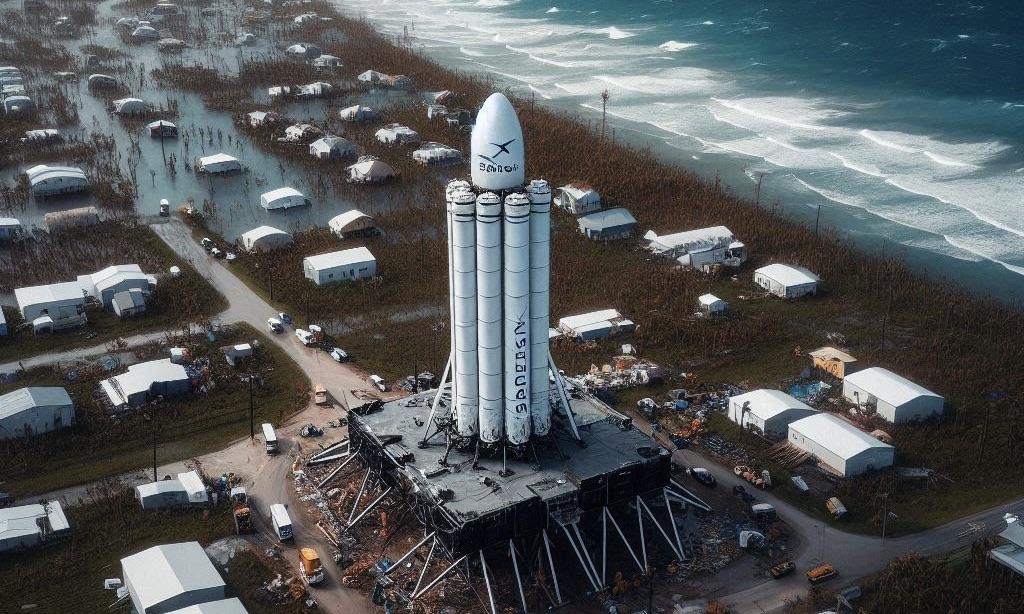
To support recovery efforts in areas devastated by Hurricane Helene, SpaceX, and T-Mobile have temporarily deployed Starlink Cellular, providing emergency alerts and limited texting services. The Federal Communications Commission granted the companies temporary authority to offer cellphone coverage in the most affected states, including North Carolina.
FCC Grants SpaceX and T-Mobile Temporary Approval for Starlink Cellular in Hurricane Helene-Affected Areas
To assist in the recovery efforts in the areas affected by Hurricane Helene, SpaceX, and T-Mobile temporarily deployed Starlink Direct-to-Cellular (also known as Starlink Cellular).
The US Federal Communications Commission (FCC) has granted SpaceX and T-Mobile temporary authority to provide cellphone coverage through Starlink Direct-to-Cellular in areas affected by the devastating category-four hurricane.
“The satellites have already been enabled and started broadcasting emergency alerts to cell phones on all networks in North Carolina. In addition, we may test basic texting (SMS) capabilities for most cell phones on the T-Mobile network in North Carolina. SpaceX’s direct-to-cell constellation has not been fully deployed, so all services will be delivered on a best-effort basis,” announced SpaceX in an X post.
North Carolina, Georgia, South Carolina, Tennessee, and Virginia were all affected by Hurricane Helene. Out of the 232 individuals who have been verified as deceased across all the states affected by the hurricane, North Carolina was the most severely affected, with 116 fatalities reported.
“While SpaceX’s direct-to-cell constellation has not been fully deployed, we felt that getting even this early test version into the hands of people on the ground could provide vital support as teams work to get infrastructure and services back online and help first responders with rescue efforts,” said T-Mobile in a press release.
T-Mobile CEO Predicts Starlink Cellular Beta Tests by 2025 as Early Trials Begin in North Carolina
Mike Sievert, the CEO of the cellular provider, observed in an interview with Jim Cramer that SpaceX has 192 cellular Starlink satellites in Earth's orbit. According to reports, Starlink Cellular requires approximately 300 employees to provide comprehensive services throughout the United States. Sievert predicted that the beta tests for Starlink Direct-to-Cellular could commence in early 2025 or at the end of the year. Nevertheless, it was reported that a few T-Mobile customers briefly had access to Starlink Cellular late last month, which implies that SpaceX and the service provider have initiated some test operations.
As per Elon Musk, SpaceX has elected to provide Starlink Direct-to-Cellular emergency service access for free worldwide, contingent upon government sanction. The emergency service's capabilities would be demonstrated by utilizing Starlink Cellular in North Carolina.







