


 OpenAI Annualized Revenue Hits $50 Billion, Below Earlier Estimates
  Amazon in Talks to Acquire AI Startup Decart for $7 Billion
  Zcash Plans Quantum-Resistant Security Upgrade for January
  OpenAI Revenue Hits $50 Billion, Below Earlier $70 Billion Estimate
  Nvidia’s China AI Chip Market Share Falls to 34% as Huawei Gains Ground
  Tencent Shares Fall as $5 Billion AI Bond Sale Weighed
  Arthur Hayes Announces FLOP Testnet Launch Within Weeks
  Trump Buys Up to $25M in Meta Stock, Invests in SpaceX Debt
  Apple Names Steve Smith M&A Chief in Leadership Shakeup
  Samsung, SK Hynix Shares Fall as China's CXMT Advances DRAM Technology
  Apple Cuts iPhone 18 Pro Production Orders Amid Weak Demand
  Robinhood Chain Eyes Priority Gas Auctions for Faster Trades
  Amazon Cuts More Jobs as AI Investment Expands
  US Suspends Microsoft, Adobe From Green Card Program
  Samsung, SK Hynix Shares Plunge as China Chip Competition Grows
  TSMC Q3 Revenue Beats Estimates as AI Chip Demand Surges


 Add as a preferred source on Google
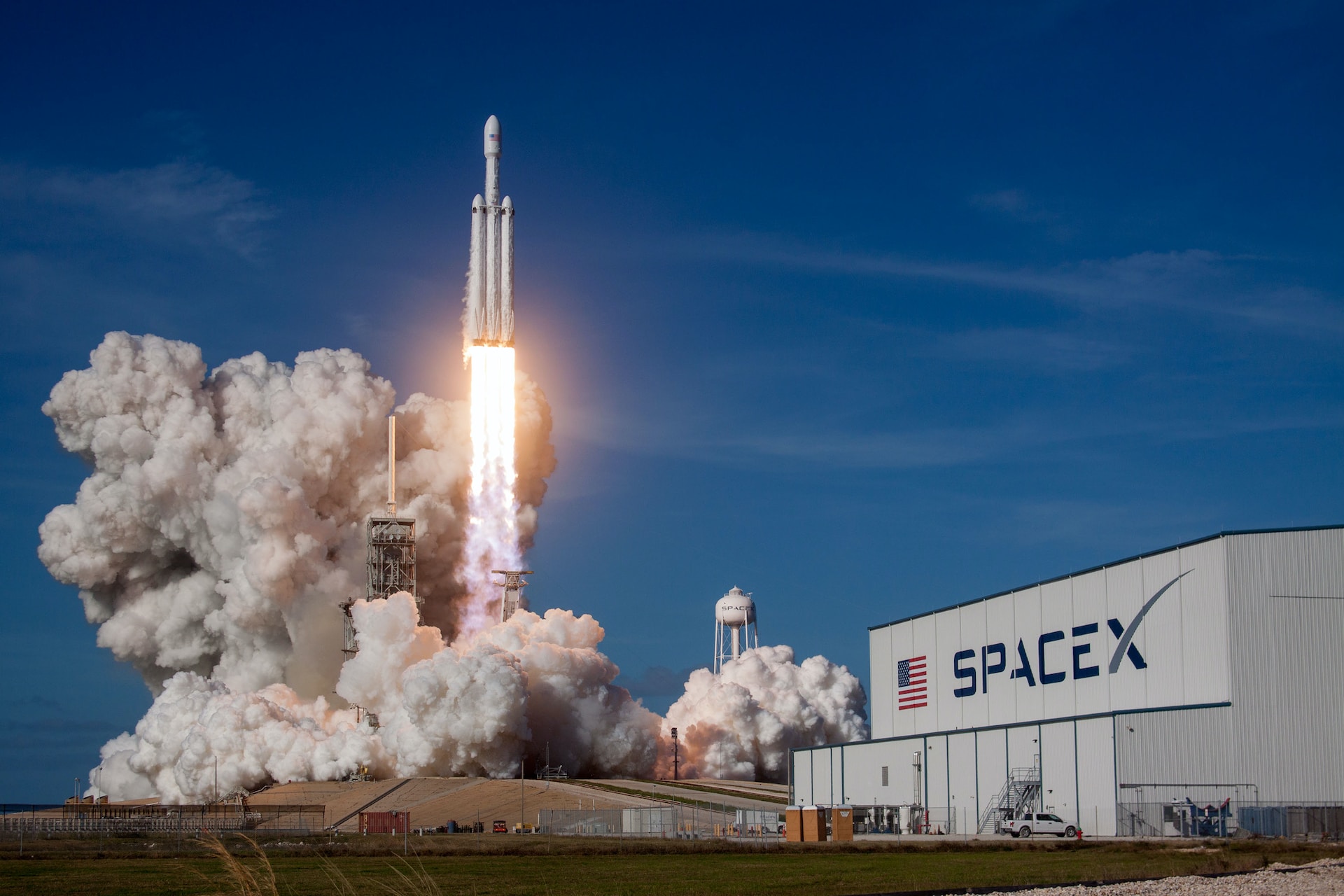
SpaceX's Starlink satellite internet service faced a setback yesterday after the Federal Communications Commission (FCC) upheld its order to cancel roughly $900 million in subsidies that Starlink had won to provide internet access in underserved areas.
Starlink, which operates the world's largest satellite internet constellation, has faced a lot of resistance and trouble at the FCC, with multiple rivals questioning SpaceX's plans to build out the second phase of the constellation with the Starship rocket.
These intentions were also at the heart of the FCC's most recent ruling, which rejected SpaceX's subsidy application based on Starship test flight failures. It also highlighted censored data given by SpaceX to claim that the company failed to achieve the award's performance requirements.
SpaceX Loses $885 Million Starlink FCC Bid Due to Starship Issues
The FCC addressed its decision to sustain the Wireline Competition Bureau's denial of Starlink's long-form application for the Rural Digitial Opportunity Fund (RDOF) program in its comprehensive ruling, according to TechCrunch. SpaceX has to submit two applications for RDOF subsidies: an initial short-form application and a final long-form application.
Starlink's short-form application resulted in the company receiving $855 million in subsidies to give internet connectivity to 642,925 sites scattered across 35 American states. After winning the contract, SpaceX delegated the filing of the long-form application to Starlink, a subsidiary of SpaceX.
The $855 million grant was made as part of a 10-year assistance program after the Bureau found that Starlink would be unable to "deploy a network of the scope, scale, and size" required under the award.
SpaceX subsequently requested that the FCC reverse and reconsider the judgment, but the Commission voted to sustain it yesterday. It disagreed with SpaceX's claim that because it was cleared in the first stage round, the Commission had barred it from meeting the RDOF deployment criteria.
The FCC determined that Starlink would be unable to achieve its RDOF criteria due to the service's performance and the Starship rocket. The data that the Bureau utilized to evaluate Starlink's performance is a major area of disagreement between the two parties.
Starlink is the sole operational low-earth orbit (LEO) satellite in the United States. To assess the constellation's performance, the Bureau relied on Ookla data that characterized Starlink's performance in 2021 and 2022.
FCC Stands by Ookla Data in Dispute Over SpaceX Starlink Performance
SpaceX dismissed Ookla's statistics in its appeal as unreliable for Starlink's performance in 2025, when the RDOF program would begin coverage, as per TS2 Space. However, the FCC supports the Bureau in its detailed ruling, arguing that the Ookla data is the only one that can be relied on owing to a lack of similar systems.
The FCC's decision to sustain the judgment is also motivated by SpaceX's Starship program. According to the FCC, the Bureau relied on information concerning Starship throughout its examination, which gave it little confidence in Starship's capacity to launch second-generation Starlink satellites on a regular basis.
SpaceX's choice to propose two launch options for Starlink, using either the Falcon 9 or the Starship, drew criticism from competitors, and the company ultimately modified its intention to depend only on the Starship for second-generation Starlink missions.
Following the FCC's ruling, SpaceX responded with sadness, emphasizing that Starlink is "likely the best option" for providing RDOF coverage. Despite calling the criteria "arbitrary," the company finished its answer by stating that it is "ready" to collaborate with the Commission to extend access to neglected regions.
Photo: SpaceX/Unsplash







