The 2017-2018 State of the environment report for councils in the greater western region of NSW has been released. The report was prepared by one of Sydney’s top environmental consulting firms on behalf of 20 councils across western NSW. In order to generate the report, environmental experts used online data systems to gather and analyse data about environmental indicators from each council in the region over a number of years. The report monitors changes in environmental trends, and it will be used by the councils as well as other environmental organisations in the region to formulate environmental management strategies. Here’s what you need to know about this newly released State of the Environment Report.
What is this Environmental Report About?
The report discusses key environmental indicators in the region, including; weather events within the past year, biodiversity, water resources, land management, community activities, and sustainability initiatives.
An overview of the weather conditions during all four seasons of the past year is included in the report because weather affects most of the other environmental indicators. Long-term weather trends are also discussed in the report because they can be used to predict future weather conditions or climate change.
Land usage trends within the Western NSW region are also discussed. The report looks into how soil is utilized as a resource for agricultural purposes, and what steps can be taken to prevent degradation of soil (through erosion, overgrazing, contamination etc.). The report looks at case studies of reclamation projects for contaminated lands in the region, and it updates stakeholders on the progress of those projects.
The report also reviews the state of biodiversity in the region, and it suggests actions that can be taken to prevent the demise of threatened animal and plant species that are native to Western NSW.
About water resources, the report discusses the quality of both ground and surface water in the region, the effect of population on inland water bodies, rehabilitation projects for riparian lands, and water conservation initiatives.
The report also discusses environmental issues that are related to various communities in the region. Both indigenous and non-indigenous communities in the region are concerned about issues such as air quality, infrastructure development, and preservation of cultural heritage. The report highlights projects that strike the balance between benefiting the communities and conserving the environment.
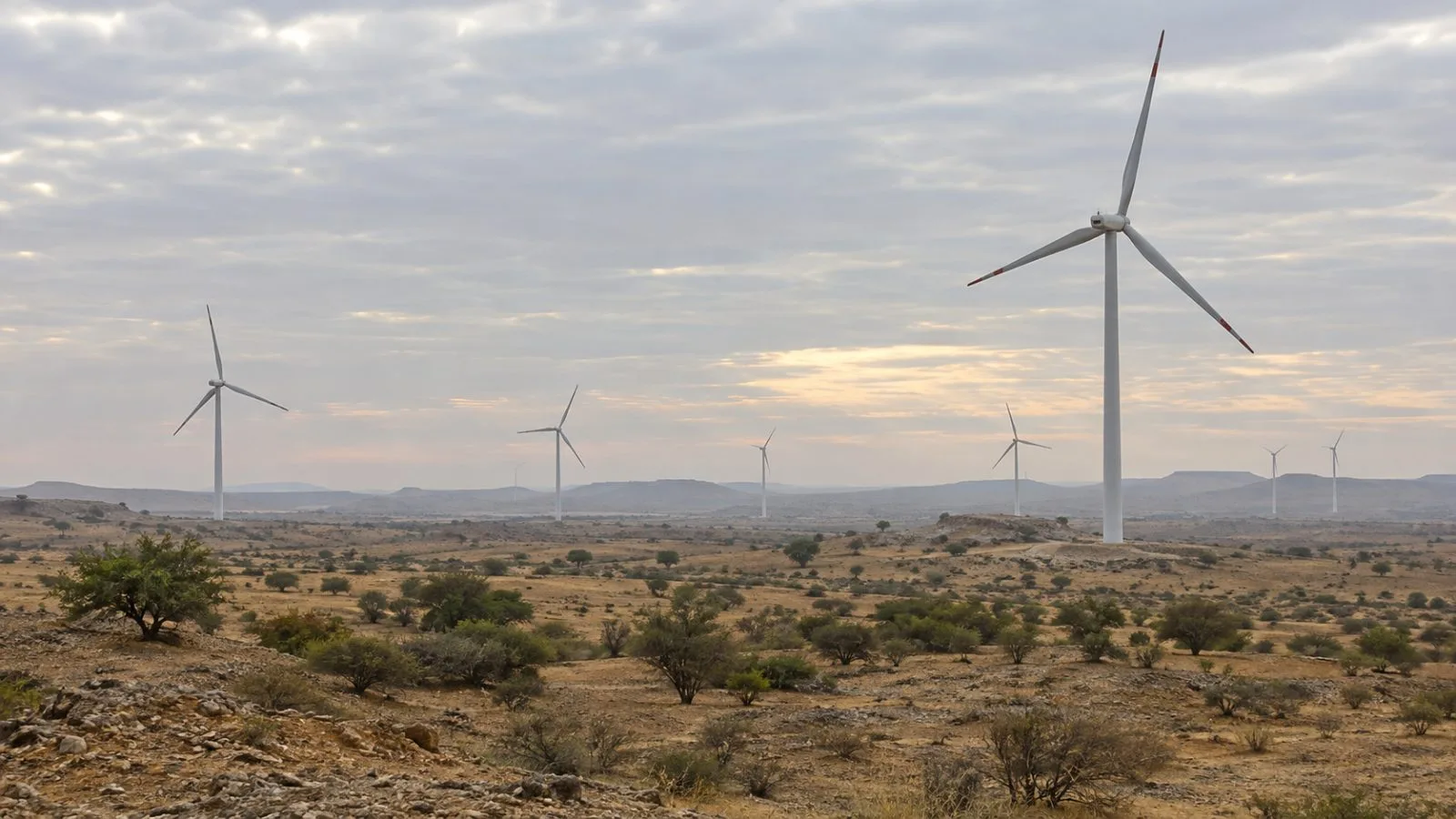
Finally, the report looks at environmental sustainability in the region. It discusses threats to environmental sustainability, including; poor management of solid wastes, illegal dumping of hazardous material, greenhouse gas emission, etc. The report then looks at methods that are being used to foster environmental sustainability in the region, including harnessing of renewable energy, recycling, and proper disposal of solid wastes.
Who is the State of the Environment Report Meant for?
The state of environment report is meant for policy makers and other stakeholders in all the participating councils in the greater Western Region of NSW. The information contained in the report is useful to government agencies, environmental consultants, developers, farmers, wildlife conservationists, community leaders etc. (if you live in the region or you are involved in any project that may have an environmental impact in or around the 20 councils, you can learn a lot from this report).
Usually, state of the environment reporting is done to provide information to local governments so that they can be able to determine how to manage the environment, which environmental management projects they need to prioritize, and what actions they can take to mitigate against negative environmental outcomes. However, non-government entities that have a stake in environmental sustainability are also welcome to use the report as a resource, to the benefit of the entire community.
What’s the purpose of the State of The Environment Report?
The main purpose of the report is to inform local councils and other entities in the region about their environment and to provide them with the facts they need to make good decisions that could foster environmental sustainability. By reading the report, local councils can gain a deeper understanding of the environmental challenges within the region, and they can be better equipped to formulate effective policies to tackle those challenges.
Another purpose of the report is to provide solutions for various environmental challenges in the region. Throughout the report, solutions to complex environmental problems are discussed in detail, and there are even case studies of successful mitigation efforts and sustainability projects. The case studies in the report allow the councils to learn from the experiences of their neighbours and to adopt environmental solutions that have been proven to work.
This article does not necessarily reflect the opinions of the editors or management of EconoTimes.