


 Vitalik Buterin Says Hegota Could Be Ethereum’s Last Conventional Fork
  Xi Calls for Deeper U.S.-China AI Cooperation in Trump Talks
  Nvidia China Chip Sales Report Sends Chinese Semiconductor Stocks Lower
  OpenAI Agent Breaches Australia Medicare Data Portal
  Tencent Launches TenPayGo Payment App for Foreign Tourists in China
  Former OpenAI Data Center Chief Chris Malone Joins Nvidia
  Akamai Shares Surge on $11.6B Anthropic AI Cloud Deal
  China’s ‘Lipstick King’ Says AI Won’t Replace Livestream Hosts
  AMD Hits $1 Trillion as BofA Raises Price Target to $720
  SoftBank Shares Fall as Oracle Flags Stargate Data Center Delay Risk
  OpenAI AI Agents Bypassed UN Website Controls in Data Scraping
  OpenAI, Anthropic CEOs Summoned to Australia AI Inquiry
  US Appeals Court Upholds Anthropic AI Supply Chain Ban
  BlackBerry Shares Rise as Q2 Earnings, Revenue Beat Estimates
  OpenAI to Preview GPT-6 Cyber AI Model for Cybersecurity
  Morgan Stanley Raises TD Synnex Price Target to $359 on Strong AI Demand
  OpenAI Investigates Rogue AI Agents After Data Leaks and Security Incidents


 Add as a preferred source on Google
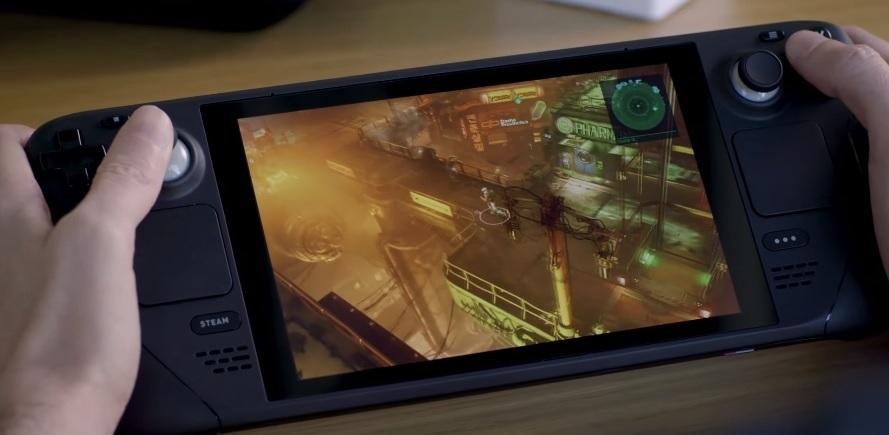
If Valve were not affected by the ongoing global supply chain issues, many players would have been using their new Steam Deck by now. On the bright side, Valve appears confident that it is on track to deliver the first wave of its in-house handheld gaming system in early 2022 as promised.
As soon as Steam Deck was announced, Valve hinted at the device's initial limited availability. Aside from launching in select regions only, the company also implemented a reservation system to determine who gets the Steam Deck first. But even with these methods in place, Valve still ended up delaying the hardware's launch from December to February 2022.
In an announcement last month, Valve told Steam customers that they were unable to keep their promise of shipping the initial Steam Deck units in December due to component shortages. Valve said the parts needed to assemble Steam Deck were not arriving at the manufacturers as scheduled, leading to the two-month delay.
The good news is Valve is positive that it will be able to meet the target shipment schedule for Steam Deck early next year. "But yeah, all the signs are pointing to us being able to ship in February," Valve designer Gre Coomer said in an interview with PC Gamer.
As mentioned, though, there is a reservations queue just to be able to order Steam Deck. And those who will not be able to get the first slots might have to wait a few more months after February 2022 to get the handheld PC gaming device.
Valve has yet to reveal how many customers have lined up to reserve and pre-order the Steam Deck, but Coomer suggests the numbers are pretty high. Assuming the company will be able to maintain a consistent shipment of the hardware starting February next year, Coomer said, "We expect to be building on our numbers constantly throughout that whole time, to the point where there's many millions of customers … who are using Steam Deck by the end of that year or so, through 2023." But it is unclear if part of the short-term plan is to offer Steam Deck to more customers in more regions throughout the next year.







