Human clones. The only two words that elicit such fear and wonder with regards to sci-fi topics is “machine overlord.” The idea that humans can be replaced by something that looks like them is enough to send shivers down one’s spine. Thanks to a new study, however, it would seem that human cloning might never see the light of day.
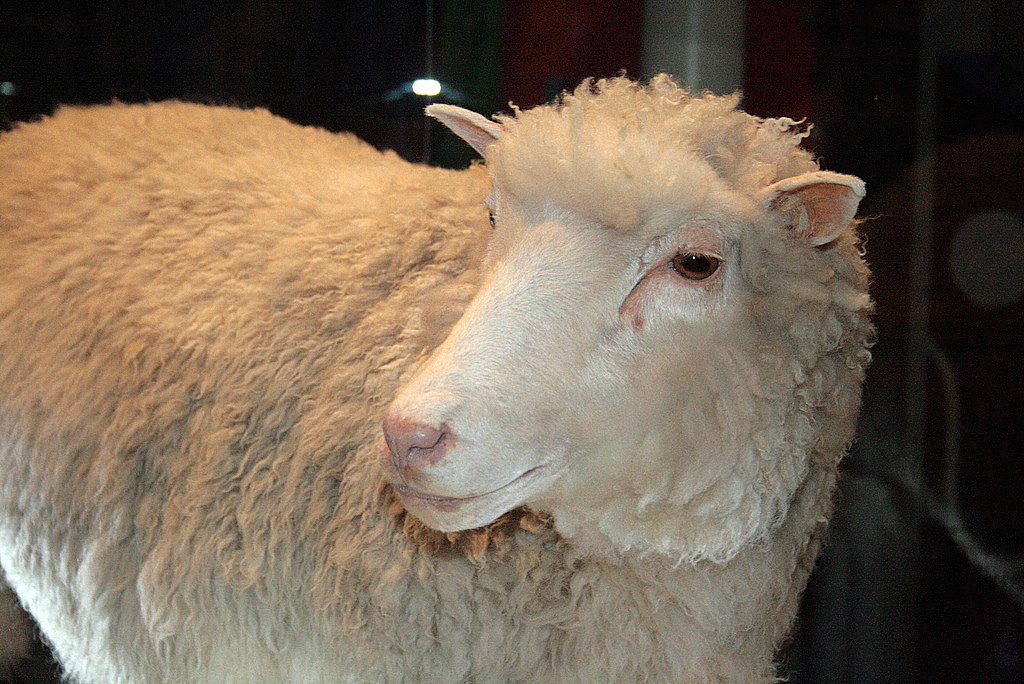
It has been two decades since Dolly the sheep was cloned, which marked the first clear victory when it came to the technology. However, looking at the field overall, it’s clear that cloning has been an abject failure, TechTimes notes.
With a staggering success to failure ratio, it takes hundreds, if not thousands of attempts to produce a healthy living specimen. In the case of Dolly, for example, 277 clone attempts failed to even result in an embryo. Of those that do, only 10 percent have been known to actually carry to term.
In an attempt to show the world just how disastrous an idea cloning is, Professor Harris Lewin from the University of California Davis collaborated with international geneticists to look into the situation of cloned cows. Making use of RNA sequencing, the scientists tried to isolate exactly what goes wrong in cloning and when they go wrong.
Based on the results of the study, one of the leading causes of the high embryonic death rate is certain anomalies that occur once the process reaches its 18th day. By that point, 5,000 differentially expressed genes (DEGs) start acting up. Combined with problems with the hormonal signals between the embryos and the surrogate mother, the results are high rates of failure.
In terms of cloning humans, the process becomes even more complicated, never mind the question of legality. Even if the UN didn’t decide to ban human cloning in 2005, the sheer number of failed attempts have dissuaded even giant pharmaceutical companies from taking an interested, Futurism reports.