A July 2026 survey by Freedom Debt Relief and Money.com found that U.S. adults with substantial unsecured debt are trimming household spending, while some are drawing on assets that can carry long-term costs.
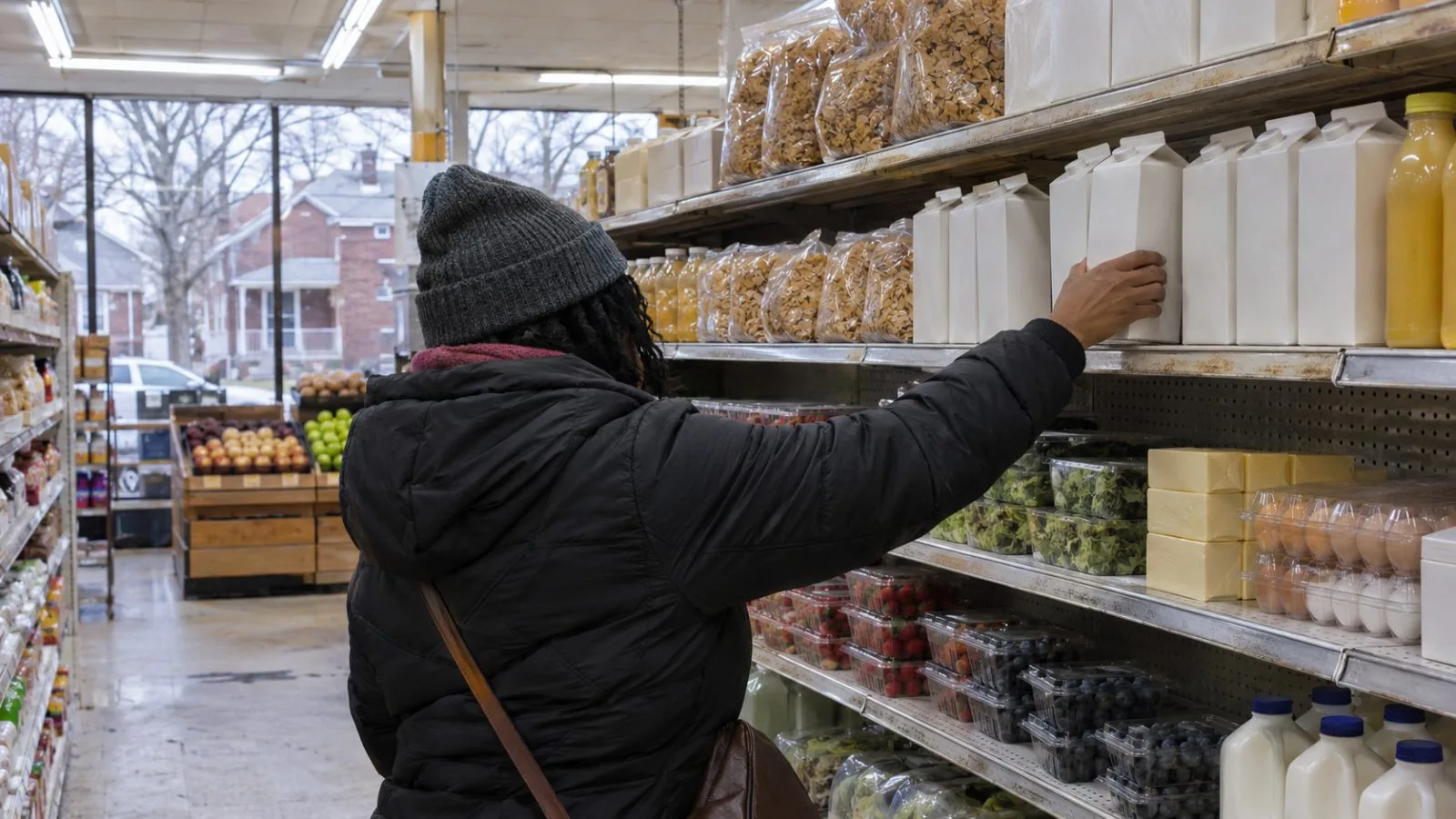
The poll included 1,800 adults ages 18 and older who reported unsecured balances of $10,000 or more. Student loans were excluded. Among respondents, 41% said they had stopped dining out or ordering delivery, and 40% had given up nonessential online shopping. Another 35% switched to generic groceries and household products.
The responses also point to limits on repayment capacity. 28% said they could afford only minimum payments, while 20% said they were behind on at least one account.
Separately, the Federal Reserve reported a 22.15% annual percentage rate for commercial-bank credit card accounts assessed interest in the second quarter of 2026. The survey does not establish whether that rate shaped respondents’ decisions.
Some respondents reported using assets to tackle their debts: 24% said they borrowed against home equity to consolidate debt, while nearly one-third reported using retirement savings for debt payments in the 12 months before the survey. The Consumer Financial Protection Bureau (CFPB) says a home equity loan may have a lower rate than other loans, but missed payments can put the home at risk of foreclosure. The Internal Revenue Service says some retirement-plan distributions before age 59½ may incur an additional 10% tax on the taxable portion, with exceptions.
Freedom Debt Relief’s accompanying survey account says 31% of respondents sold items they no longer needed, and 15% took another job or side gig. The company co-sponsored the survey and provides debt-settlement services. The Federal Trade Commission says creditors are not required to accept a settlement, and settlement programs can involve credit damage, collection activity and possible tax consequences. The survey describes its respondents, not U.S. adults as a whole.