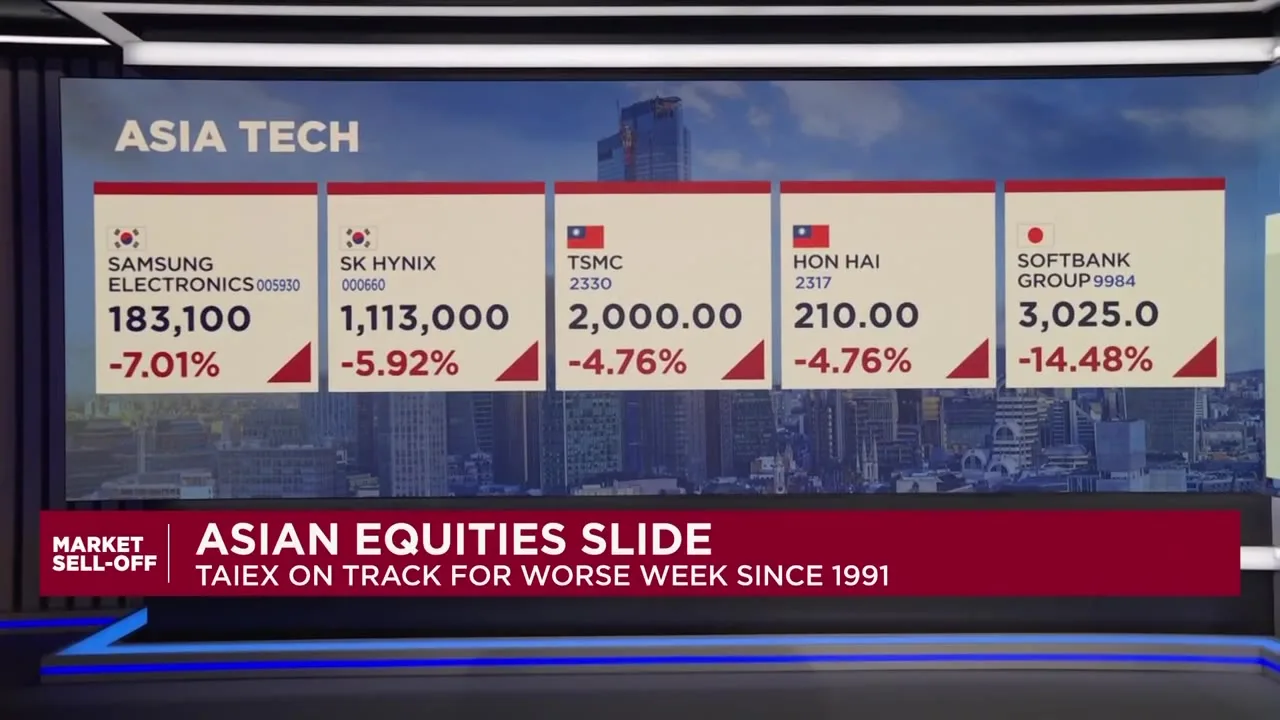
The Swiss franc strengthened against the U.S. dollar Friday as technology shares sold off and investors questioned whether heavy artificial-intelligence spending would produce sustainable returns, while the dollar also drew haven demand.
USD/CHF closed at 0.8420 on Nov. 20, down 0.24% for the day, after trading between 0.8408 and 0.8444. The pair had reached 0.8451 on Nov. 19, according to Investing.com historical data.
Reuters reported that the S&P 500 recorded a sixth consecutive decline and that the Nasdaq 100 dropped more than 2% on Nov. 19, leaving it about 15% below its early-October record. The VIX also reached its highest level since March, Reuters said.
Anthropic priced shares at $83 for its debut, opened at $111.50 and finished 17.1% above the offer price on Nov. 19. Reuters reported that the company’s valuation briefly exceeded $2 trillion, but the debut did not restore confidence across the broader AI trade.
“The market is no longer looking for proof of AI demand alone,” Charu Chanana, chief investment strategist at Saxo, told Reuters. She said investors wanted evidence that the sector’s unusually large spending could generate lasting returns.
The dollar’s broader performance remained firm. Reuters put the dollar index near 103.8, close to its strongest level since early April 2025 and on track for a fourth consecutive weekly gain. Reuters quoted OCBC analysts as saying risk aversion was supporting the dollar and demand for U.S. Treasurys.
Minutes of the Federal Reserve’s Oct. 27-28 meeting showed total personal consumption expenditures inflation was estimated at 3.6% in September, with core inflation at 3.1%. The Federal Open Market Committee kept its federal funds target range at 3.75% to 4%, while almost all participants judged that additional rate increases could be appropriate. The next meeting is scheduled for Dec. 8-9.
The Swiss National Bank left its policy rate at 0% at its Sept. 22-23 assessment and said it remained willing to intervene in foreign-exchange markets if necessary. It reported that the franc had depreciated about 3% on a trade-weighted basis since its June assessment, partly because wider interest-rate differentials encouraged carry trades.
The move extends earlier EconoTimes coverage of dollar gains against the franc, while leaving investors focused on the Fed’s December decision and incoming inflation data.