


 Apple Names Steve Smith M&A Chief in Leadership Shakeup
  Oracle Uses Trucked Natural Gas to Power AI Data Centers Amid Pipeline Delays
  Trump Buys Up to $25M in Meta Stock, Invests in SpaceX Debt
  Apple Cuts iPhone 18 Pro Production Orders Amid Weak Demand
  Starbucks Explores Chipotle Acquisition as Shares Swing
  Yandex Data Center Hit by Drone Strike as Russia-Ukraine Cyber Infrastructure Attacks Escalate
  FAA Warns US Airlines Over Saudi Arabia Flight Risks
  Anthropic Launches Claude Dashboards and Motion AI Tools
  Apple Supplier Luxshare Sees Limited Impact From US Patent Probe
  Uber Exits Four African Markets Amid Rising Competition
  INWIT Shareholders Explore $7.1 Billion Take-Private Deal
  Deutsche Bank CEO Urges Faster German Economic Reforms
  Zcash Plans Quantum-Resistant Security Upgrade for January
  Morgan Stanley Raises Coinbase Stock Price Target to $258 Ahead of Earnings
  Ripple Chairman Chris Larsen Donates $22.5 Million Ahead of US Midterms
  Xiaomi Shares Surge 7.6% as SkyNomad EV Orders Hit 70,000
  Blockchain.com Seeks CFTC Approval for Prediction Markets and Crypto Derivatives


 Add as a preferred source on Google
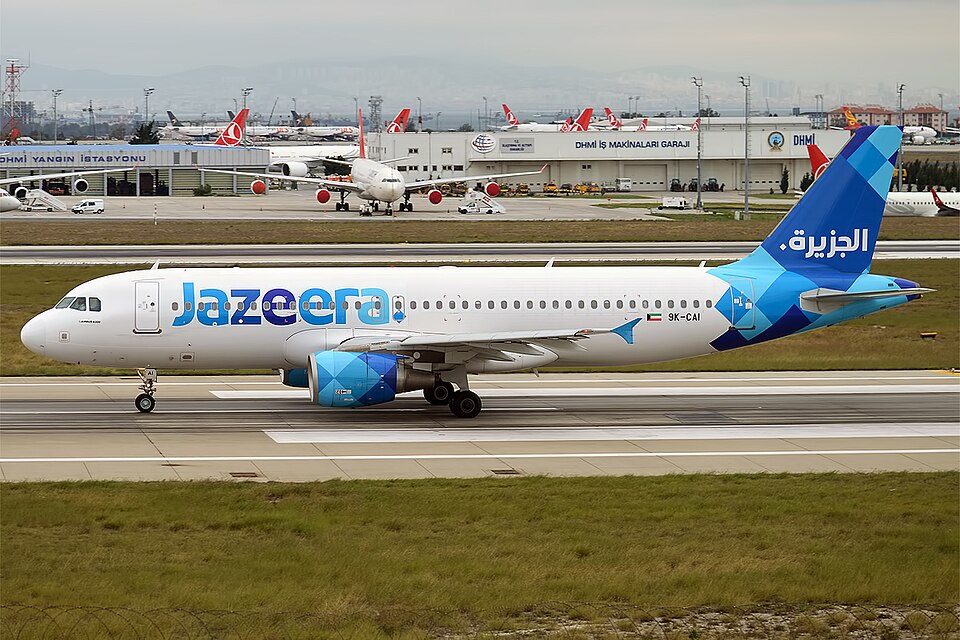
Syria has experienced a dramatic increase in air traffic, with nearly 12,000 aircraft transits recorded in May 2026 as regional airlines adjusted routes to avoid airspace affected by ongoing Middle East tensions. According to Syria’s General Authority for Civil Aviation (GACA), 11,801 flights crossed Syrian airspace during the month, more than double the 4,267 flights registered in February before the Iran-related conflict disrupted regional aviation networks.
The surge represents a 375% year-over-year increase and marks a significant shift for a country whose skies were largely avoided throughout the 14-year Syrian civil war, which concluded with the removal of former President Bashar al-Assad in late 2024.
The increase in overflight traffic is creating a valuable revenue stream for Syria. Under a revised fee structure introduced by the new government, airlines pay a flat overflight charge of $499 per flight. Based on May’s traffic figures, Syria could have generated approximately $5.9 million in overflight revenue. Authorities have not officially confirmed revenue estimates or commented on the new fee system.
Airlines began reconsidering Syrian routes after U.S. and Israeli military operations linked to the Iran conflict disrupted key air corridors over Iraq and the Gulf region. Although a ceasefire led to the reopening of some airspace in April, many flights connecting Europe with major aviation hubs such as Dubai and Doha continue to transit through Syria. The route offers shorter travel times and lower fuel consumption, helping carriers offset rising fuel costs.
Despite the growing traffic, aviation safety experts continue to classify Syrian airspace as high risk. Industry advisory group OPSGroup notes that Syria currently operates under procedural control, a basic air traffic management system. European aviation regulators still advise airlines to avoid Syrian airspace due to ongoing regional security concerns.
Syrian officials remain optimistic, citing upgrades to navigation, surveillance, and air traffic control infrastructure, including advanced radar systems supplied by Turkey. GACA says the rise in overflights reflects renewed confidence in Syria as a reliable route within the regional aviation network, while further reforms are being implemented to modernize operations and improve safety standards.







