


 Nvidia CEO Jensen Huang Open to Cutting Chip Supply Over Unsafe AI
  Apple Intelligence Set for China Launch in December With iOS 27.3
  Kalshi CEO Defends Federal Oversight Amid Prediction Markets Legal Battle
  ASX CEO Pushes for Faster T+1 Trade Settlement in Australia
  Kalshi Seeks Sixth Circuit Review of Sports Betting Ruling
  Trezor Cuts Reseller Network After Ledger Security Breach
  Arm Breaches Qualcomm License Deal, Jury Awards $2
  AT&T Sells Mexico Wireless Business to Televisa for $2 Billion
  Netflix Cuts 1,000 Jobs as Streaming Giant Restructures
  Alibaba Unveils Qwen AI Smart Glasses, Shares Rise 2%
  Nvidia Invests in Four French AI Companies to Expand European Presence
  Polygon Labs Completes Coinme Acquisition, Expands U.S. Payments
  Amazon in Talks to Acquire AI Startup Decart for $7 Billion
  ASML Raises 2026 Sales Forecast as AI Chip Demand Surges
  BlackRock CEO Warns Data Center Ban Could Trigger US Recession
  Lululemon Cuts Jobs, Restructures Team After Product Quality Issues
  Bank of America Fined $1.21B as CZ Questions AML Double Standard


 Add as a preferred source on Google
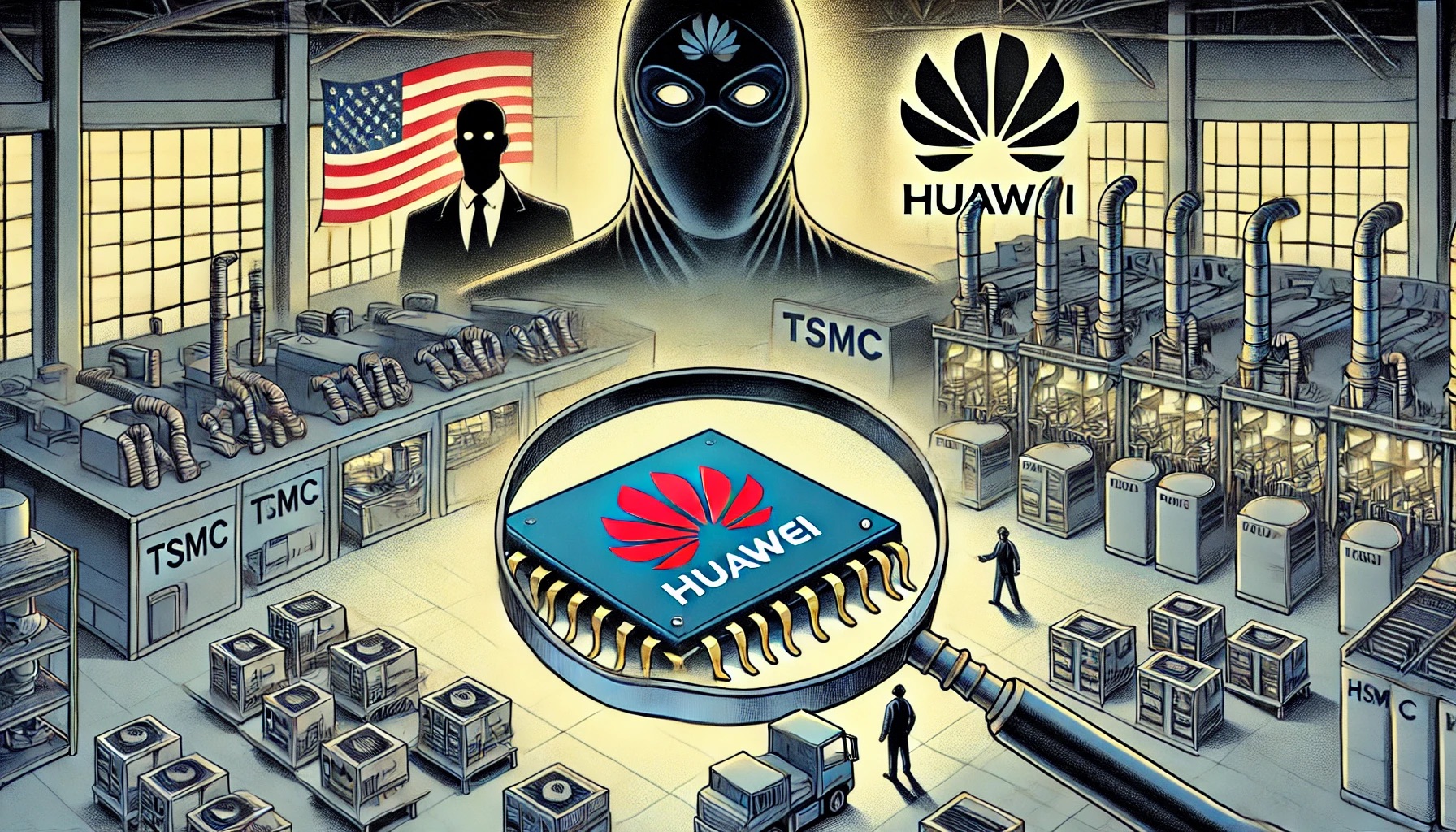
TSMC has halted shipments to a customer after uncovering its chip inside a Huawei product, which may violate strict U.S. export controls aimed at limiting China's access to advanced technology. Both U.S. and Taiwanese governments are now involved in the investigation.
TSMC Halts Shipments After Finding Chip in Huawei Product
A Taiwanese official said that after discovering that one of their chips had wound up in a Huawei product, Taiwan Semiconductor Manufacturing Co. halted shipments to the customer.
The trade and economic official, who spoke on condition of anonymity due to the sensitivity of the situation, stated that TSMC suspended shipments to the client approximately two weeks ago and commenced a comprehensive investigation, as reported by Reuters.
Governments Notified of Potential Breach
According to the official, the business has informed the governments of the United States and Taiwan about what is considered an "important warning event" within TSMC, which began on October 11th at the latest.
Officials from TSMC did not reveal which customers they had slashed off. No comments were made by TSMC.
U.S. Export Regulations in Question
According to US News, TSMC notified U.S. officials following a report by Reuters on Tuesday that tech research firm TechInsights may have violated U.S. export regulations by disassembling a Huawei product and finding one of TSMC's processors.
In an effort to rein in China's military might, the United States cut off the country's access to cutting-edge AI processors two years ago.
China’s Attempts to Circumvent Restrictions
U.S. efforts to increase export restrictions on advanced semiconductors have primarily targeted Huawei in an effort to prevent Chinese corporations from acquiring, developing, or producing such products.
Earlier this year, Reuters reported that Chinese organizations have been attempting to bypass the limits by using cloud services offered by corporations like Amazon to access advanced U.S. processors and AI capabilities.
Taiwan’s Response to Compliance Concerns
Concerned about China's propensity to manufacture advanced semiconductors, the Taiwanese government has implemented its own export control measures. Taiwanese authorities have stated that the country takes compliance with U.S. regulations very seriously.







