


 Zelenskiy Says Ukraine Received No Warning Before Russian Missile Attack
  Trump Denies Russia and China Are Helping Iran in U.S. Conflict
  Most Americans Oppose Election Betting on Prediction Markets, Poll Finds
  Greenland Lawmakers Back Trump Security Deal Despite Economic Concerns
  Jordan Bardella Antisemitism Allegations Threaten Le Pen’s Campaign
  Trump Warns Houthis Over Attacks, Considers Erdogan Intervention
  North Korea Fires Ballistic Missiles Amid Rising Tensions With South Korea
  Flavio Bolsonaro Backs Brazil’s 40-Hour Workweek Reform Ahead of Runoff
  Kim Jong Un Showcases ICBM Ahead of Possible Trump Meeting
  Trump Plans White House Shake-Up of Key AI Safety Agency
  Gaza Olive Harvest Collapses as War Destroys Farmland
  NATO Commander Warns Russia of Devastating Response to Attack
  US Supreme Court Denies Release of Anti-ICE Activist Kyle Wagner
  US Justice Department Drops Prosecution of Ex-CIA Analyst Sue Mi Terry
  US Senate Midterms 2026: Key Races That Could Flip Control
  US Condemns China Sanctions on Taiwan Allies Belize and Paraguay
  Trump Defends Russian Diesel Deal Amid US Sanctions Backlash


 Add as a preferred source on Google
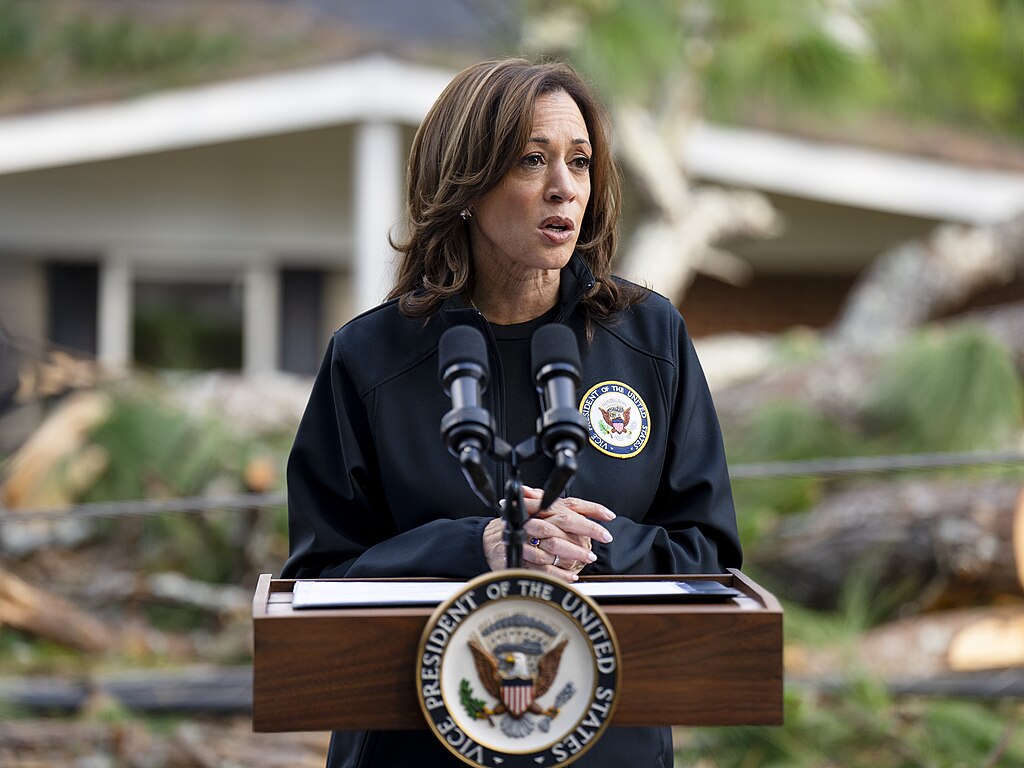
Vice President Kamala Harris has reportedly turned down an invitation to appear on Joe Rogan’s popular podcast and the widely followed All-In podcast, according to venture capitalist and tech mogul David Sacks. The news, which surfaced during a recent podcast episode, has ignited debate over Harris’s decision to avoid what many see as two of the most influential platforms in today’s media landscape.
Sacks, a co-host of the All-In podcast, revealed that the offer was extended to Harris, but she declined to participate. “Kamala won’t face the tough questions,” Sacks claimed, fueling speculation that the vice president may be avoiding high-profile interviews where she could face more unscripted and challenging conversations. The All-In podcast, known for its freewheeling discussions on politics, technology, and culture, often features high-level guests, and the opportunity for Harris to reach a wide audience has now become a missed one.
Joe Rogan’s podcast, known for its in-depth and often controversial interviews, also boasts millions of listeners. The vice president’s decision to decline both platforms has raised eyebrows, especially considering Rogan’s reputation for asking provocative, sometimes uncomfortable questions of his guests. Harris’s avoidance of these media outlets has led to criticism from both political opponents and members of the media, some of whom argue that this reflects a pattern of the administration being unwilling to engage in tough, unfiltered dialogue.
Social media was quick to respond to Sacks’ revelation, with many expressing disappointment at Harris’s decision. One user on X (formerly Twitter) commented, “Kamala’s avoiding Joe Rogan? She can’t handle real questions.” Another user added, “She’s scared of facing the truth—both Rogan and All-In would have exposed her.” Supporters of Harris, however, defended her choice, suggesting that the platforms are not conducive to the type of meaningful conversation needed at this critical time.
Sacks didn’t mince words about the situation, stating that the vice president is missing a crucial opportunity to connect with voters in a more transparent and engaging format. “It’s a chance to reach an audience that might not be watching the traditional news cycle,” he remarked, adding that declining the interviews only fuels perceptions that Harris is avoiding scrutiny.
This decision comes at a time when Harris and the Biden administration have faced mounting criticism over their handling of key issues, including inflation, immigration, and foreign policy. While Harris has given interviews to more traditional media outlets, her rejection of high-profile podcasts like Rogan’s and All-In has sparked further debate over the administration’s media strategy.
Political analysts are divided on the potential impact of Harris’s choice. Some argue that declining the invitation is a smart move, allowing her to avoid a potentially hostile interview, while others believe it reinforces the narrative that the administration is out of touch with a significant portion of the electorate.
As the 2024 election draws closer, Harris’s media appearances—or lack thereof—will continue to be scrutinized. Whether her decision to decline interviews with Joe Rogan and All-In will have a lasting impact on her public perception remains to be seen.







