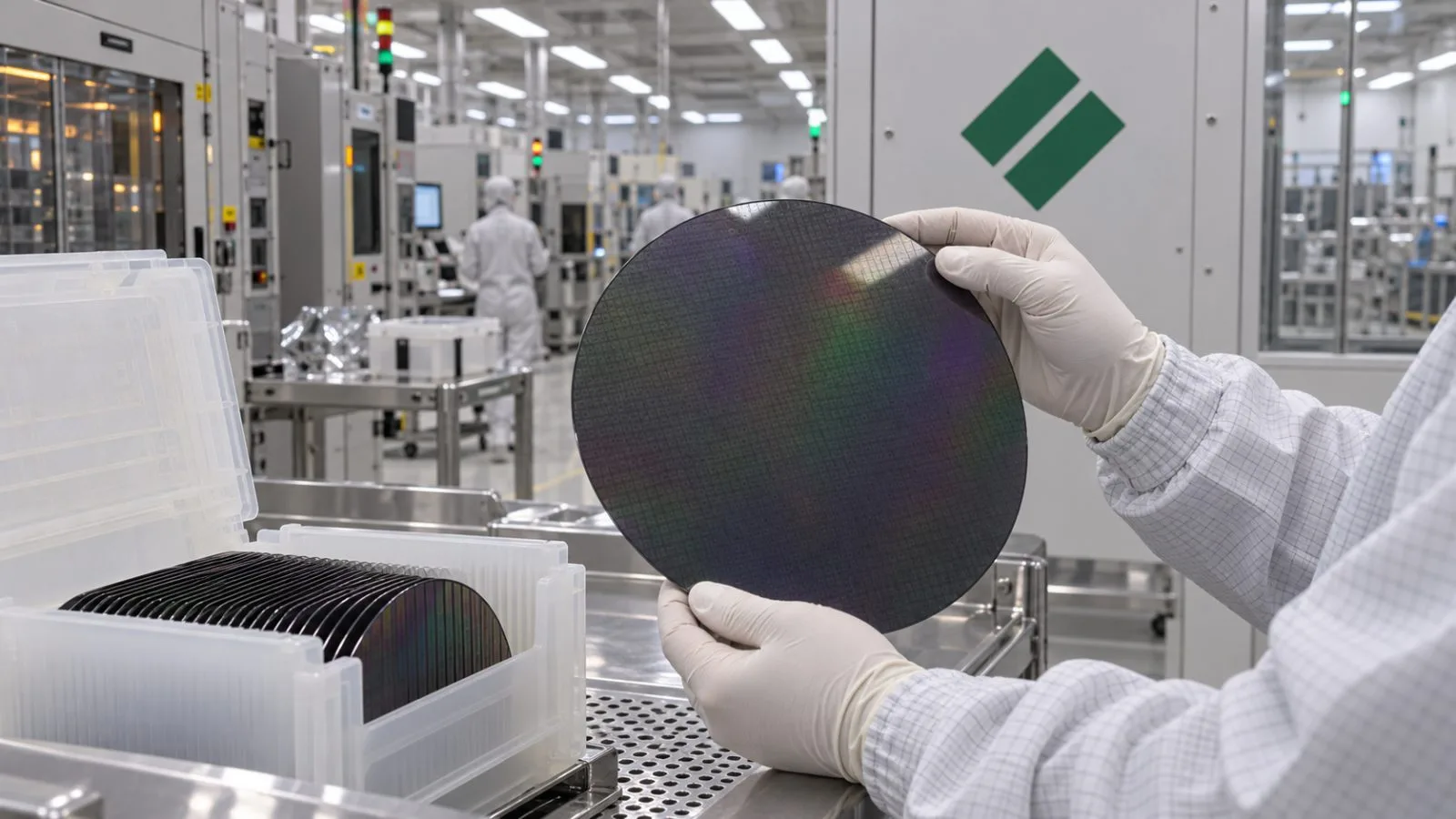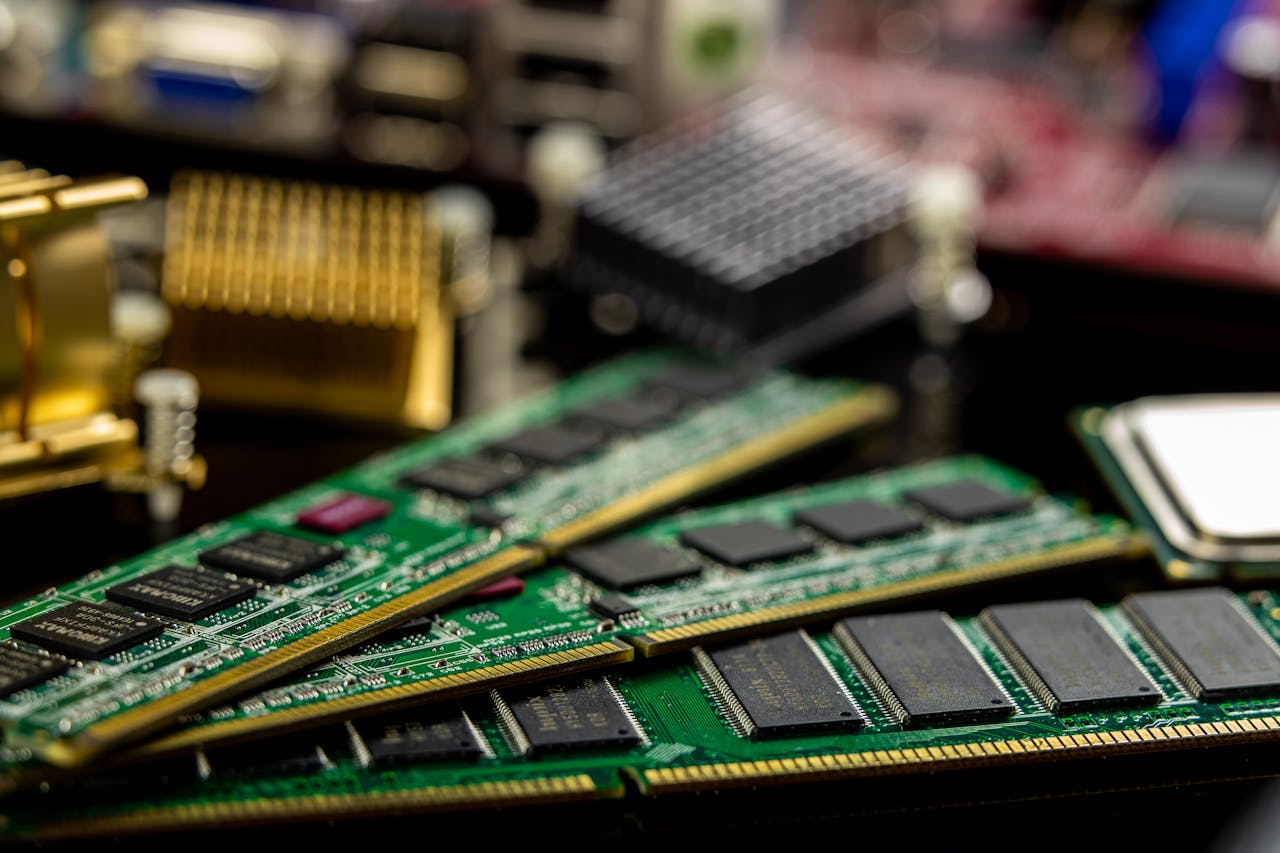
Taiwan has firmly rejected calls from the United States to relocate a large portion of its semiconductor manufacturing capacity, with senior officials stressing that the island’s chip industry cannot be uprooted. Taiwan Vice Premier and top trade negotiator Cheng Li-chiun said it would be “impossible” to move 40% of Taiwan’s semiconductor capacity to the U.S., directly pushing back against recent statements by American officials advocating a major production shift.
In an interview broadcast on Taiwanese television, Cheng explained that Taiwan’s semiconductor ecosystem has been built over decades and relies on a deeply integrated network of suppliers, talent, infrastructure, and research capabilities. According to her, this ecosystem cannot simply be transferred overseas without severe disruption. She emphasized that Taiwan’s semiconductor capacity will continue to grow domestically, even as companies expand internationally.
Cheng clarified that while Taiwan is open to increasing investment in the United States, such expansion is based on the principle that Taiwan remains the core of its semiconductor industry. She stated that Taiwan’s science parks will not be relocated and that future overseas investments, including those in the U.S., will not come at the expense of domestic growth. Taiwan, she added, is willing to share its experience in building successful semiconductor clusters to help the U.S. develop its own manufacturing environment.
The comments come amid heightened pressure from Washington. U.S. Commerce Secretary Howard Lutnick has argued that concentrating advanced chip manufacturing so close to China poses strategic risks and said the U.S. aims to secure a 40% share of leading-edge semiconductor manufacturing by the end of the current administration. He has previously warned that failure to shift a significant portion of Taiwan’s chip supply chain to the U.S. could result in sharply higher tariffs.
Despite these tensions, Taiwan and the U.S. recently reached an agreement to reduce tariffs on Taiwanese exports to 15% from 20%, alongside commitments for increased Taiwanese investment in America. TSMC, the world’s largest contract chipmaker, is already investing $165 billion in semiconductor facilities in Arizona, underscoring Taiwan’s willingness to expand abroad while keeping its industry firmly rooted at home.