Continued U.S. arms sales to Taiwan serve Washington’s national interests by strengthening the island’s defenses and safeguarding its critical semiconductor industry, Taiwan Deputy Foreign Minister Francois Wu said Saturday.
Wu’s comments followed a three-day summit between U.S. President Donald Trump and Chinese President Xi Jinping in Washington. The talks ended without major publicly announced breakthroughs on Taiwan or several other disputes between the two countries.
During the summit, Xi urged Trump to maintain what Beijing regards as the “correct position” of opposing Taiwanese independence. Wu, however, questioned whether U.S. concessions over Taiwan would benefit Washington.
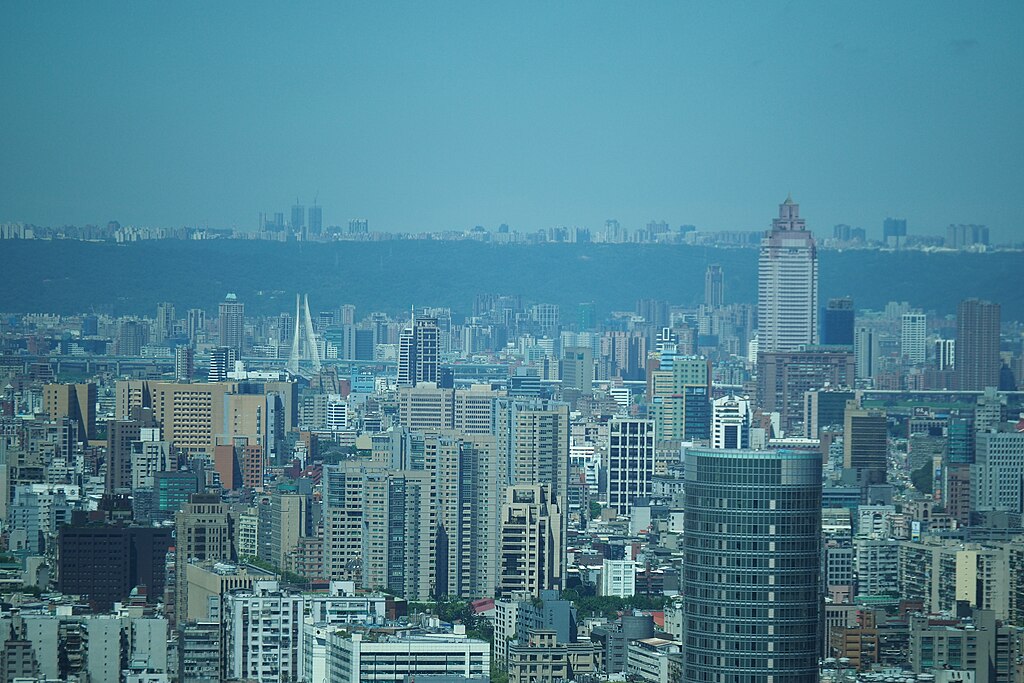
He argued that supplying Taiwan with sufficient defensive capabilities could help prevent the island from falling under Chinese control while ensuring its semiconductor industry continues serving global markets. Taiwan is the world’s leading producer of advanced chips used in artificial intelligence and other high-performance technologies, making it a critical part of global semiconductor supply chains.
Attention is now turning to a pending U.S. arms package for Taiwan valued at roughly $14 billion. Trump said after meeting Xi in Beijing in May that the package had been placed on hold. No decision was announced following the latest Washington summit. Beijing has sought an end to U.S. weapons sales to Taiwan.
The Trump administration previously approved an $11 billion Taiwan arms package in December, the largest such package on record.
Wu said Taiwanese officials maintained continuous communication with Washington around the Trump-Xi summit and would continue seeking assurances regarding U.S. support.
U.S. Ambassador to China David Perdue said Friday that Washington’s Taiwan policy remained unchanged, including its position under the Taiwan Relations Act, which provides the framework for supplying Taiwan with defensive capabilities.
China claims Taiwan as part of its territory and strongly opposes American arms sales to the island, while Taiwan’s government rejects Beijing’s sovereignty claims. China’s People’s Daily reiterated Saturday that Taiwan remains a core Chinese interest and a red line in U.S.-China relations.