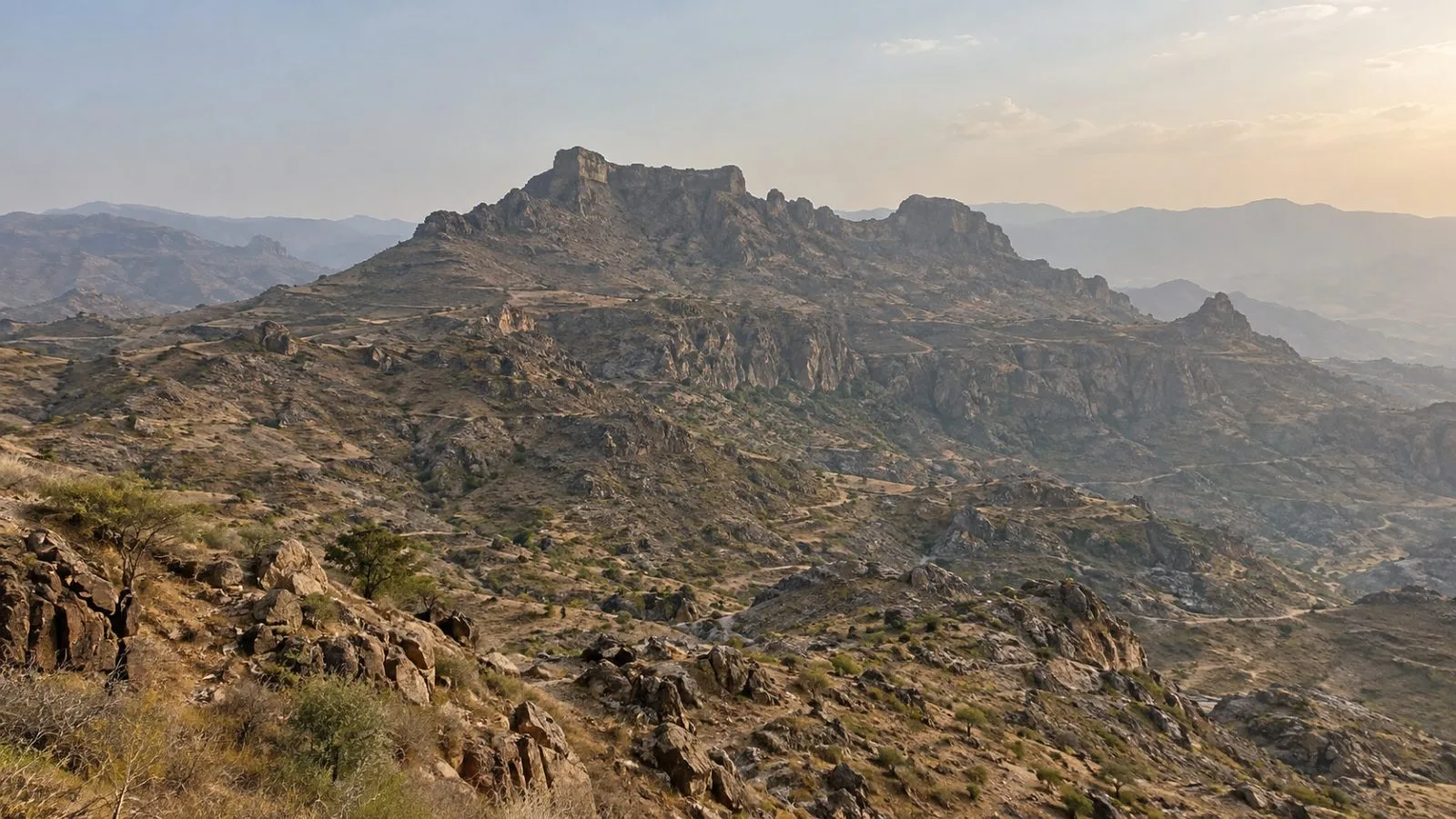
More than 600,000 aid-dependent people in Taiz remain beyond the World Food Programme (WFP)’s reach as road closures and insecurity constrain food, fuel and medical deliveries, U.N. agencies say.
On Oct. 14, WFP said its operations and those of partner organizations could not reach more than 600,000 people in Taiz who rely on aid; more than 200,000 of them are women and children. The agency said wheat flour reserves were nearly gone. Earlier assessments had placed 10 of the city’s 16 districts at IPC Phase 4, the Emergency level for food insecurity.
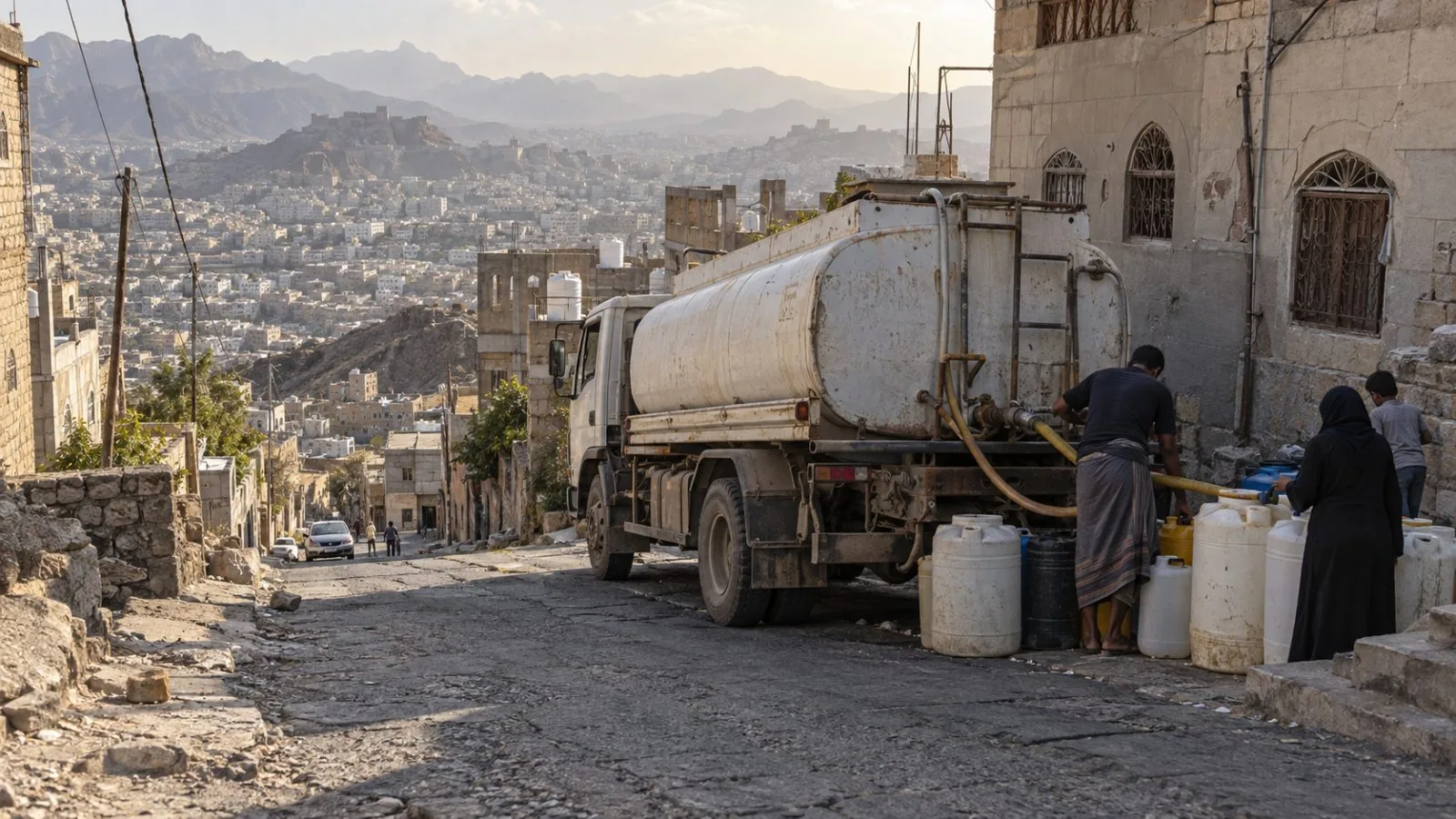
Laurent Bukera, the U.N. humanitarian coordinator for Yemen, said Oct. 20 that Taiz was producing about half its usual amount of water and alternative supplies were dwindling. Food and fuel prices had more than doubled, he said, while shortages threatened hospital electricity and oxygen and put hundreds of patients at risk. “The health system is close to collapse,” Bukera said.
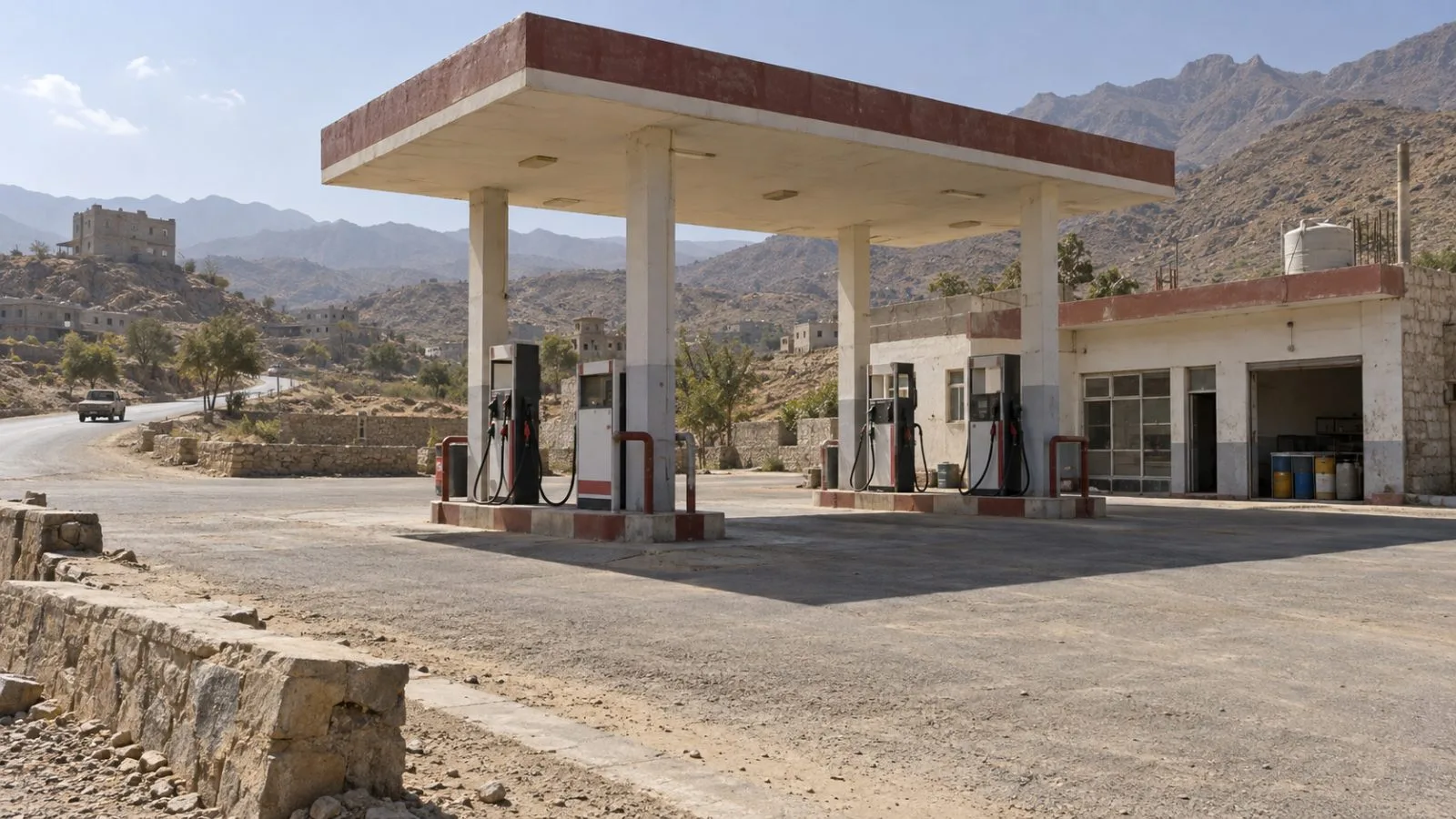
UNICEF said diesel scarcity put water pumps at risk and the cost of water delivered by truck had tripled since the latest escalation. Yemen’s Ministry of Public Health and Population warned Oct. 10 that falling stocks of medicines, intravenous fluids, supplies and fuel could leave health facilities unable to sustain emergency, surgical, intensive care, dialysis and neonatal services.
In a briefing reported by The Guardian, Taiz Gov. Nabil Shamsan said residents were “heading back to the stone age” and urged international action to lift the siege.
Human Rights Watch said Houthi forces had surrounded Taiz since 2015 and that renewed encirclement in October blocked and damaged the remaining major supply route. The group based its account on interviews with residents, doctors and civil society workers. A Houthi spokesperson told Human Rights Watch on Oct. 21 that government forces were blocking roads.
The United Nations Office for the Coordination of Humanitarian Affairs (OCHA) spokesman Jens Laerke said Oct. 23 that fighting and road closures had isolated Taiz since Oct. 3; 20 days had passed by the time of his statement. Bukera urged Houthi authorities to ensure safe passage for commercial goods, food, medicine and humanitarian assistance.