


 IMF Warns US Debt Crisis Needs Fiscal Action, Urges China to Boost Consumption
  US Condemns China Sanctions on Taiwan Allies Belize and Paraguay
  Zelenskiy Says Trump’s Support for Russia Is ‘Painful’
  Netanyahu Rejects Preemptive Iran Strike Ahead of Israel Election
  China Warns Taiwan Over South China Sea Coast Guard Incident
  US Senate Midterms 2026: Key Races That Could Flip Control
  Trump Denies China, Russia Are Helping Iran in War
  UN Urges Talks on Lebanon Peacekeeping Mission Extension
  Kim Jong Un Showcases ICBM Ahead of Possible Trump Meeting
  Gaza Olive Harvest Collapses as War Destroys Farmland
  Flavio Bolsonaro Backs Brazil’s 40-Hour Workweek Reform Ahead of Runoff
  US Supreme Court Denies Release of Anti-ICE Activist Kyle Wagner
  SpaceX Starlink Restrictions Disrupt Ukraine Military Operations
  Zelenskiy Seeks New US Talks to Revive Ukraine-Russia Peace Negotiations
  Italy’s Meloni Warns US-Russia Diesel Deal Could Weaken Ukraine Sanctions
  FBI Denies Report of Kash Patel’s Russia Visit
  US Justice Department Drops Prosecution of Ex-CIA Analyst Sue Mi Terry


 Add as a preferred source on Google
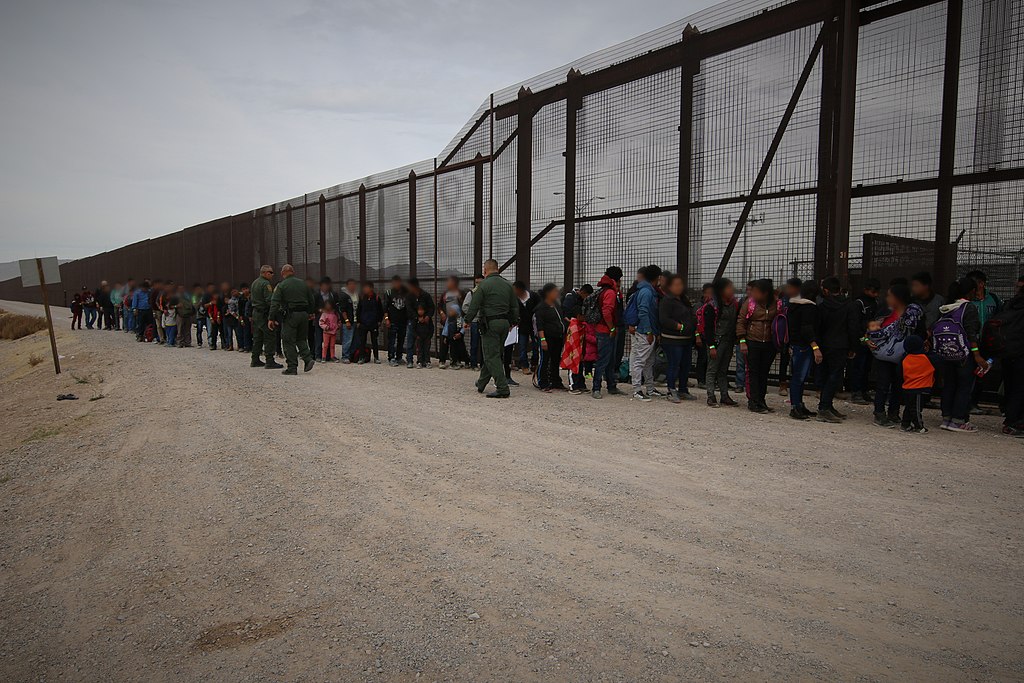
In 2023, U.S. taxpayers faced a staggering $150.7 billion burden due to illegal immigration, according to a report by the Federation for American Immigration Reform (FAIR). This figure represents a significant increase from previous years, intensifying the national debate over immigration policies and their economic implications.
Escalating Financial Impact
FAIR's analysis indicates that the gross cost of illegal immigration reached $182 billion in 2023. After accounting for approximately $31.4 billion in taxes contributed by undocumented immigrants, the net cost to taxpayers stood at $150.7 billion. This marks a substantial rise from the $116 billion reported in 2017, highlighting the growing financial strain on federal, state, and local budgets.
Breakdown of Expenses
The report identifies several key areas contributing to the financial burden:
-
Education: Providing schooling for undocumented children and U.S.-born children of undocumented parents remains the largest expense.
-
Healthcare: Emergency medical services and other health-related costs for undocumented immigrants add a significant financial load.
-
Law Enforcement and Public Assistance: Expenditures include policing, legal proceedings, and various welfare programs.
These costs are predominantly shouldered by state and local governments, leading to budget reallocations and cuts in essential services in various communities.
Public Reaction
The revelation of these figures has sparked a range of reactions on social media:
-
@TaxpayerBlues: "Our hard-earned money is being drained. This is unacceptable!"
-
@PolicyReformNow: "Time to rethink our immigration policies. The current system isn't sustainable."
-
@HumanRightsAdvocate: "We must balance fiscal responsibility with compassion for those seeking better lives."
-
@BorderControlFan: "Secure the borders first. We can't afford this anymore."
-
@EconomicAnalyst: "The long-term economic contributions of immigrants are often overlooked in these reports."
-
@CommunityOrganizer: "Let's focus on comprehensive reform rather than blaming immigrants for systemic issues."
Debate Over Findings
While FAIR's report emphasizes the fiscal costs, other studies suggest that undocumented immigrants contribute positively to the economy. For instance, a 2016 study published in the Journal of General Internal Medicine found that undocumented immigrants contributed $35.1 billion more to the Medicare Trust Fund than they withdrew between 2000 and 2011. Additionally, the Congressional Budget Office has noted that, over the long term, tax revenues generated by all immigrants exceed the cost of the services they use.
Policy Implications
The contrasting perspectives underscore the complexity of immigration's economic impact. Policymakers face the challenge of addressing immediate fiscal concerns while considering the broader economic contributions of immigrants. The debate continues as the nation grapples with finding a balanced approach to immigration reform.







