The United States and Iran appear to be moving closer to a long-awaited framework agreement aimed at ending months of conflict, although uncertainty remains over the timing of a formal signing. U.S. President Donald Trump stated that the framework deal could be signed on Sunday, while Pakistan’s Prime Minister Shehbaz Sharif confirmed that both sides had agreed on key terms and were preparing for an electronic signing process.
However, Iranian officials have not confirmed the timeline. Foreign Ministry spokesperson Esmaeil Baghaei indicated that a signing was unlikely to take place immediately, suggesting that an agreement could instead be finalized within the coming days. The differing statements have fueled speculation about the progress of ongoing U.S.-Iran peace negotiations.
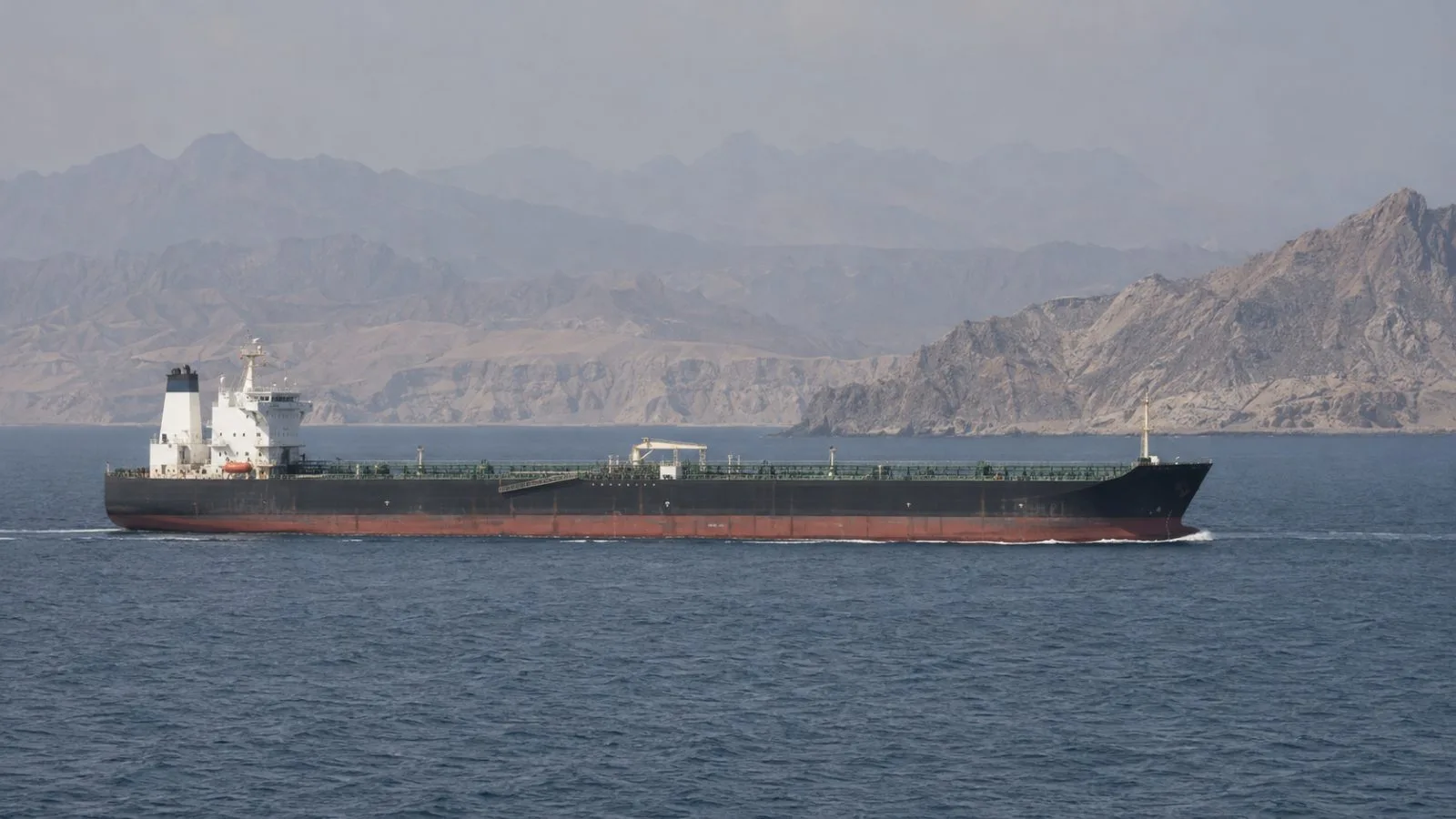
A major element of the proposed agreement involves reopening the Strait of Hormuz, one of the world’s most critical oil shipping routes. Trump stated that the waterway would be reopened to international traffic once the framework is signed. The strait previously handled around 20% of global oil shipments, making its accessibility vital to global energy markets and oil prices.
The draft memorandum reportedly outlines a phased process in which Iran would reopen the strait while the United States would lift its naval blockade and begin easing economic restrictions. Sources familiar with the negotiations said Washington could release billions of dollars in frozen Iranian assets and provide sanctions relief on Iranian oil exports as part of the arrangement.
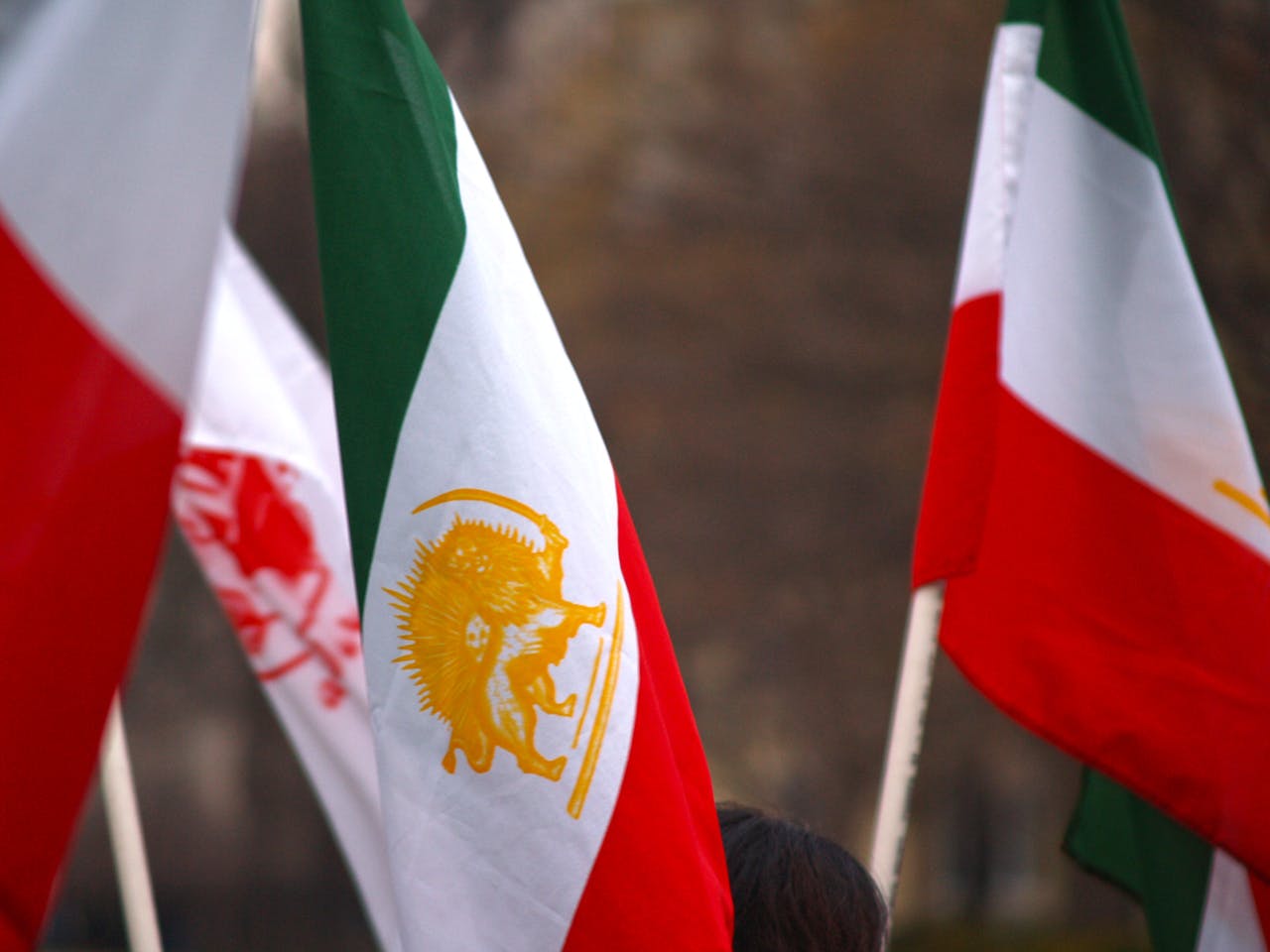
Despite the diplomatic progress, opposition remains strong inside Iran. Hardline protesters gathered in Tehran and other cities, criticizing Foreign Minister Abbas Araqchi and condemning any compromise with Washington. Demonstrators accused Iranian officials of making concessions, reflecting the continued influence of conservative factions within the country.
Military tensions have also persisted. U.S. forces reportedly intercepted Iranian attack drones near the Strait of Hormuz, while Israel continued strikes against Hezbollah targets in Lebanon. Israeli Prime Minister Benjamin Netanyahu has reportedly disagreed with Washington’s efforts to reduce regional military operations in support of negotiations with Tehran.
Under the proposed framework, discussions regarding Iran’s nuclear program would begin after maritime issues are resolved. U.S. officials said future talks would focus on eliminating Iran’s highly enriched uranium stockpile and ultimately dismantling its nuclear program. Negotiators are expected to continue technical discussions in the coming weeks as both sides work toward a broader and more comprehensive peace agreement.