President Donald Trump’s criticism of the June ceasefire with Iran has prompted Tehran to accuse Washington of undermining commitments under a framework that set terms for negotiations and commercial shipping.
At a rally in Corinth, Mississippi, on Monday, Oct. 26, Trump said, “We did a little cease fire, which I never liked very much.” A transcript published by Roll Call also records him describing the ceasefire as a waste of time. He did not mention the Islamabad Memorandum of Understanding (MOU) by name.
Iranian Foreign Ministry spokesperson Esmaeil Baqaei responded Wednesday on X. “Broken commitments cannot be excused, international law cannot be applied selectively,” he wrote. Baqaei presented Trump’s criticism as revealing the president’s view of the MOU.
The June memorandum called for negotiations to last no more than 60 days unless both governments agreed to extend them. It also called for an immediate and permanent end to military operations on all fronts.
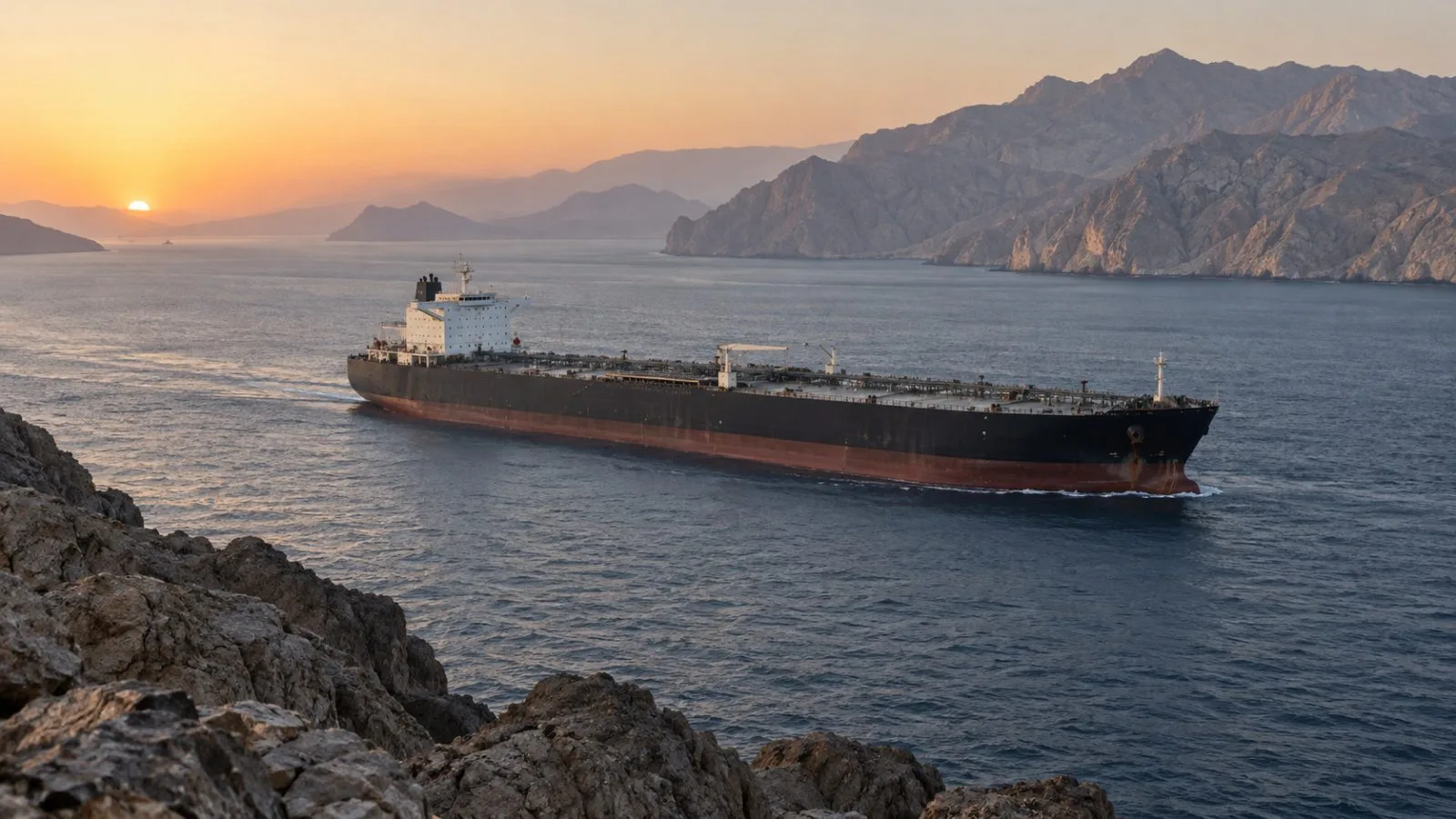
Under the shipping provisions, Iran was to make its best effort to allow commercial vessels to pass through the Strait of Hormuz without charge for 60 days. Commercial traffic was to resume immediately and be reinstated within 30 days as obstacles were removed and mines cleared. The United States was to begin removing its naval blockade immediately and complete the process within 30 days.
The document said Iran would maintain the status quo of its nuclear program while talks continued. Negotiators were to address enriched material and enrichment; the memorandum named downblending under International Atomic Energy Agency supervision as the minimum approach for handling the material.
The Associated Press and Hindustan Times reported that the agreement quickly unraveled without leading to negotiations on Iran’s nuclear program. Separately, the Associated Press reported Oct. 24 that Iranian Ambassador to Islamabad Reza Amiri Moghadam said Tehran remained willing to resume talks under the framework and had tied reopening the Strait of Hormuz to Washington ending its naval blockade.