


 Citi Upgrades Galaxy Digital Stock, Raises Price Target to $28
  Amazon in Talks to Acquire AI Startup Decart for $7 Billion
  OpenAI Uses AI to Uncover Hidden Recording Device, FBI Makes Arrest
  Samsung, SK Hynix Shares Fall as China's CXMT Advances DRAM Technology
  Robinhood Chain Eyes Priority Gas Auctions for Faster Trades
  Samsung, SK Hynix Shares Plunge as China Chip Competition Grows
  Nvidia Invests in Four French AI Companies to Expand European Presence
  Apple Cuts iPhone 18 Pro Production Orders Amid Weak Demand
  AT&T Sells Mexico Wireless Business to Televisa for $2 Billion
  New York Times, AFP Join Coalition to Protect Content From AI
  Elon Musk Eyes Semiconductor Manufacturing Expansion With $15 Billion Terrafab Project
  Moonshot AI Executives Seek Settlement Ahead of Hong Kong IPO
  Zcash Plans Quantum-Resistant Security Upgrade for January
  Meta Launches Muse Wonder AI Models, Shares Rise 3.7%
  MNX Crypto Exchange Launches Futures for OpenAI, Anthropic Valuations


 Add as a preferred source on Google
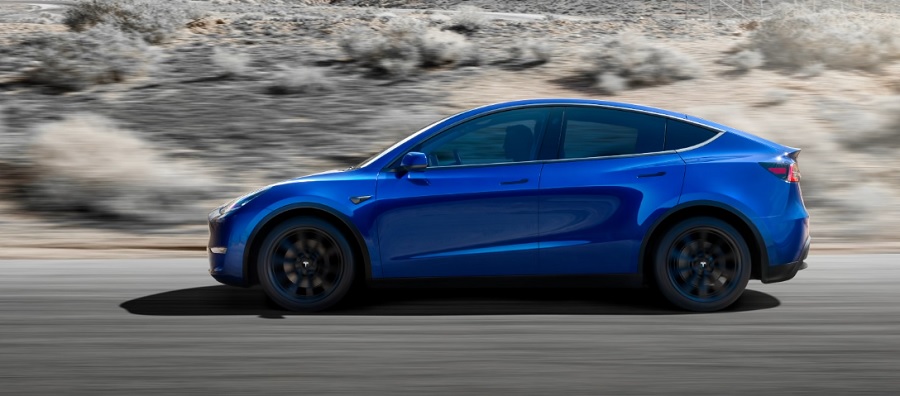
As electric car enthusiasts know, the Tesla Model Y is the latest addition to the company’s lineup after its delivery timeline was adjusted a few months earlier than planned. The timeliness of its release has apparently helped the company report a good first-quarter performance despite the COVID-19 crisis that started to peak in the United States in March.
Tesla Model Y release boosts company’s delivery target
In an SEC filing, Tesla reported having delivered around 88,400 electric car units, 76,200 of which are shared by the Model Y and the Model 3. The company did not indicate specific delivery numbers for each car model. However, one can assume that the crossover SUV would still account for a significant share considering it is the latest car released.
Out of the 102,672 produced in the first quarter of 2020, Tesla also reported that it delivered 12,200 units of Model S and Model X. “Model Y production started in January and deliveries began in March, significantly ahead of schedule. Additionally, our Shanghai factory continued to achieve record levels of production, despite significant setbacks,” Tesla reported.
The total number of cars Tesla delivered is quite impressive. Considering that analysts have estimated an average of 77,400 cars delivered by each automaker in Q1 2020, Tesla’s performance is noteworthy.
How Tesla maintains social distancing while fulfilling deliveries
The Tesla Model Y was initially anticipated to be released in late 2020. But as the end of 2019 came closer, the company’s timeline kept changing, leading to the March delivery target that Tesla was able to accomplish.
Customers in the U.S. and Canada confirmed they received email confirmations in late February, promising that the Tesla Model Y they ordered will be delivered in mid-March at the earliest. Meanwhile, confirmed cases of coronavirus infections in the U.S. started to climb significantly in March, but that has not stopped Tesla from fulfilling deliveries.
Within the second half of March, Tesla announced it would continue to deliver vehicles but with a new and “touchless” process to maintain social distancing. That practically meant no direct interaction between customers and Tesla employees. Customers will pick up their cars at a designated parking lot, fill out necessary documents placed inside the vehicle, and leave those papers at Tesla’s assigned office.







