


 David Schwartz to Reveal XRP Ledger Future at Ripple Swell 2026
  EU Gives Crypto Platforms Three Months to Remove USDT Under MiCA Rules
  MSTR Stock Rises as Barclays Raises Price Target to $175
  Amazon Cuts More Jobs as AI Investment Expands
  TSMC Q3 Revenue Beats Estimates as AI Chip Demand Surges
  Tencent Shares Fall as $5 Billion AI Bond Sale Weighed
  Apple Names Steve Smith M&A Chief in Leadership Shakeup
  Oracle Uses Trucked Natural Gas to Power AI Data Centers Amid Pipeline Delays
  Starbucks Explores Chipotle Acquisition as Shares Swing
  Ledger Investigates Alleged $86 Million Crypto Wallet Theft
  Robinhood Chain Eyes Priority Gas Auctions for Faster Trades
  Xiaomi Shares Surge 7.6% as SkyNomad EV Orders Hit 70,000
  Polkadot Launches dotUSD Stablecoin as DOT Price Falls
  Morgan Stanley Raises Coinbase Stock Price Target to $258 Ahead of Earnings
  XRP Ledger Activates New Security Feature for Banks and Stablecoins
  Apple Cuts iPhone 18 Pro Production Orders Amid Weak Demand
  US Suspends Microsoft, Adobe From Green Card Program


 Add as a preferred source on Google
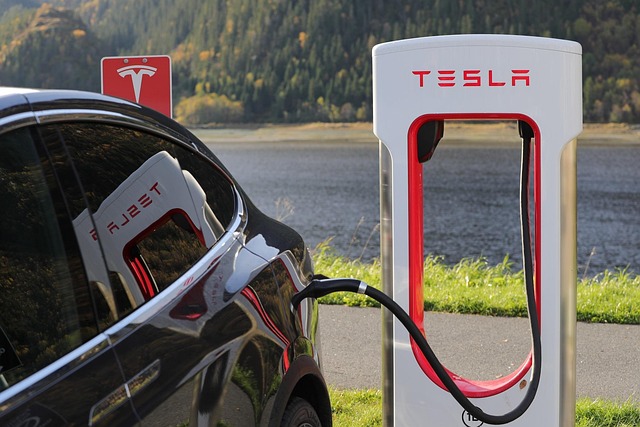
Tesla’s stronger second-quarter vehicle deliveries have improved its near-term earnings outlook, but analysts at Morgan Stanley and Barclays believe the company’s long-term valuation still depends on the success of its artificial intelligence initiatives, including Robotaxi, Full Self-Driving (FSD), and the Optimus humanoid robot.
The electric vehicle maker delivered 480,126 vehicles in the second quarter, surpassing Wall Street expectations by 18% and posting its strongest delivery growth since the third quarter of 2023. The better-than-expected performance has prompted Morgan Stanley to increase its delivery forecasts to 1.67 million vehicles in 2026 and 1.86 million in 2027, suggesting Tesla could achieve its first annual delivery growth since 2023.
Tesla’s automotive business remains its primary revenue source, contributing roughly 70% of total sales. Analysts say maintaining a healthy core EV business is essential as the company continues investing heavily in AI infrastructure and next-generation technologies.
Morgan Stanley expects Tesla to report adjusted earnings of $0.69 per share for the second quarter, above the consensus estimate of $0.49, while forecasting an automotive gross margin of 18.1% excluding regulatory credits. Barclays is also more optimistic than the market, projecting adjusted earnings of $0.55 per share versus the $0.47 consensus, although it expects margins to soften due to higher raw material costs and the absence of one-time benefits.
A stronger automotive business provides Tesla with additional cash flow to support ambitious projects such as Robotaxi, Optimus, semiconductor development, and FSD. However, analysts caution that investors are increasingly seeking proof these costly AI investments can generate meaningful returns. Morgan Stanley forecasts capital expenditures of $26.8 billion in 2026 and free cash flow burn of $11.4 billion.
Robotaxi expansion also remains in its early stages. Barclays estimates Tesla currently operates 30 to 50 Robotaxis in Austin, with smaller fleets in Dallas, Houston, and Miami, where many rides still rely on safety monitors. Morgan Stanley expects the fleet to expand to about 1,500 supervised and unsupervised vehicles by the end of the year, with planned launches in Phoenix, Orlando, Tampa, and Las Vegas.
Both firms maintained Equal Weight ratings on Tesla. Morgan Stanley raised its price target to $417 from $415, while Barclays increased its target to $370 from $360, highlighting that future upside depends more on AI execution than vehicle sales alone.







