


 Epic Games Delays Disney Shooter, Shifts to AI-First Development
  Anthropic Launches Claude Dashboards and Motion AI Tools
  Trump Buys Up to $25M in Meta Stock, Invests in SpaceX Debt
  OpenAI Annualized Revenue Hits $50 Billion, Below Earlier Estimates
  Yandex Data Center Hit by Drone Strike as Russia-Ukraine Cyber Infrastructure Attacks Escalate
  Samsung, SK Hynix Shares Plunge as China Chip Competition Grows
  Solidigm Taps Goldman, Morgan Stanley for $10 Billion US IPO
  Tencent Shares Fall as $5 Billion AI Bond Sale Weighed
  Elon Musk Eyes Semiconductor Manufacturing Expansion With $15 Billion Terrafab Project
  Apple Names Steve Smith M&A Chief in Leadership Shakeup
  Elon Musk Accuses Indian Telecom Giants of Blocking Starlink Launch
  Zcash Plans Quantum-Resistant Security Upgrade for January
  US Suspends Microsoft, Adobe From Green Card Program
  Robinhood Chain Eyes Priority Gas Auctions for Faster Trades
  Apple Cuts iPhone 18 Pro Production Orders Amid Weak Demand


 Add as a preferred source on Google
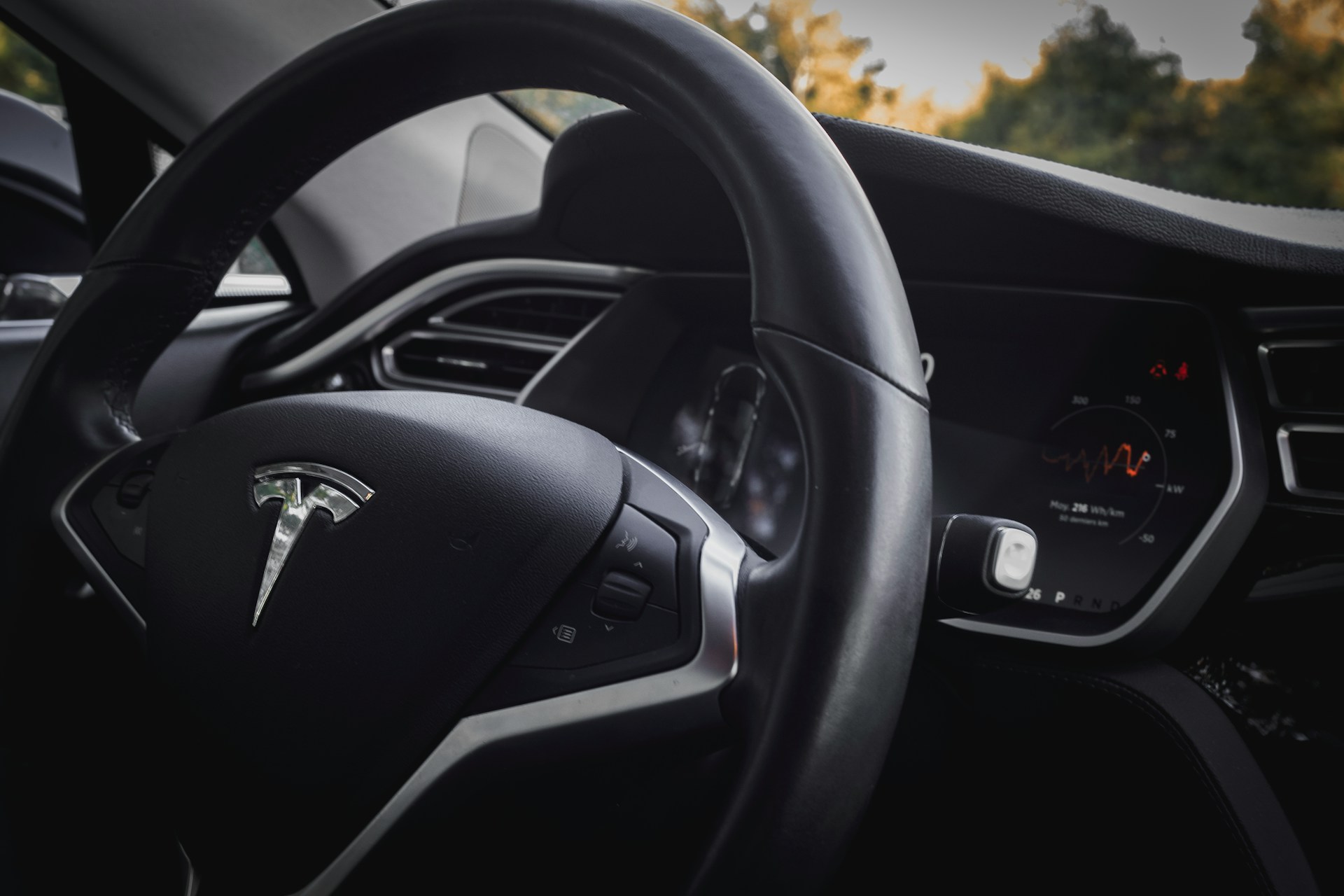
A software update that Tesla will distribute over the air will address a problem with the rear camera in 8,700 EVs in China. In what federal regulators in China refer to as a "recall," Tesla will make repairs to 1,071 Model S and Model X vehicles, as well as 7,529 Model 3 Automobiles.
Debate Over 'Recall' Term Intensifies Amid Tesla's Over-the-Air Fix Capabilities
According to some reports concerning the malfunctioning rear camera, some vehicles are equipped with faulty integrated circuit communications that are rectifiable via software.
Nonetheless, in the presence of the camera flaw, drivers may experience a restricted field of vision while the vehicle is in reverse, which can heighten the likelihood of an accident or present a safety hazard; this was the impetus for initiating the recall.
A great deal of discourse has surrounded recall terminology in recent years, particularly since the increased popularity of Tesla's ability to resolve vehicle issues via over-the-air updates.
Owners maintain that the term "recall" may not entirely be applicable, as most of these problems are resolved without the owner's knowledge. Although owners are notified of the defect or problem with their vehicle, the remedy is automatically downloaded and implemented without any manual intervention.
Elon Musk Calls for Updated Recall Terminology Amid Safety Software Updates
Elon Musk, the CEO, has stated that he concurs that new terminology is required, describing the current terminology as "outdated and inaccurate." Despite this, agencies continue to use the term "recall" due to its technically accurate definition concerning vehicle problems that may compromise safety.
In a statement to Teslarati earlier this month, the NHTSA defined a recall as an admission of a vehicle's safety defect. Despite undergoing a software update, the matter remains a recall due to the fact that it addresses a safety concern.
“Defects that pose an unreasonable risk to safety are serious and should be remedied as soon as possible,” the agency added. “The Vehicle Safety Act requires manufacturers to issue recalls to remedy safety defects. Whether a remedy can be completed at a local dealership or through an over-the-air software update makes no difference to the safety risk posed by a defect.”







