A Texas man has been charged with manslaughter after authorities said he crashed a Tesla Model 3 operating with its Full Self-Driving (FSD) driver-assistance system into a home in Katy, Texas, killing a 76-year-old woman.
According to court documents, 44-year-old Michael David Butler was arrested following the June 19 crash that claimed the life of Martha Avila. Butler reportedly told police the Tesla was operating in Full Self-Driving mode at the time of the collision and informed paramedics that the vehicle was on “Autopilot.”
Investigators said Butler was making a DoorDash delivery when he became distracted while changing music on the Tesla’s touchscreen. He later told officers that he eventually “passed out” before the crash. The arrest affidavit states the vehicle reached speeds of 73 mph—more than twice the posted speed limit—and data showed the brake pedal was not pressed during the final minute before impact. Authorities also noted Butler denied feeling ill before the crash, and toxicology tests found no alcohol or common illegal drugs in his system.
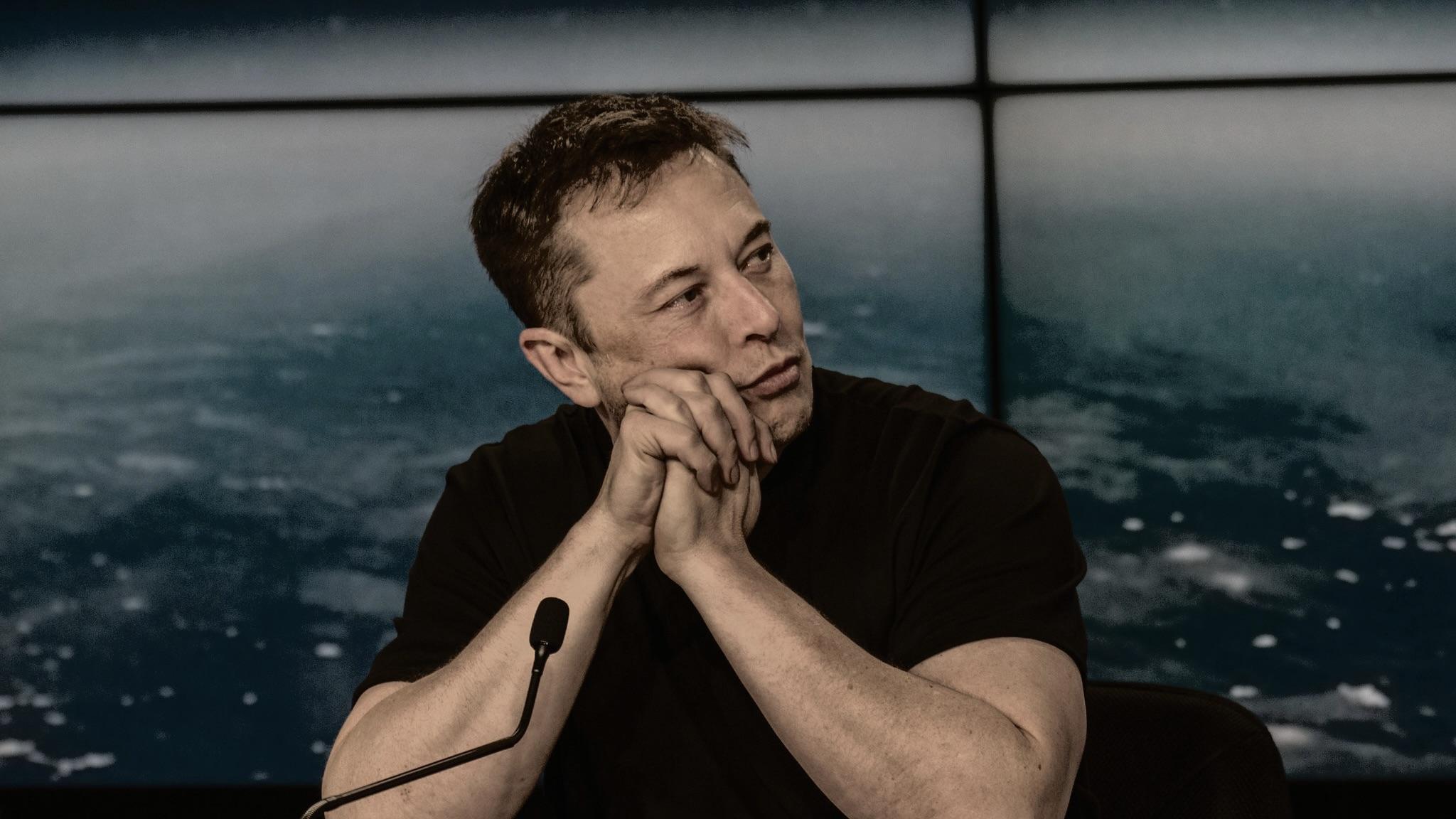
Tesla has challenged Butler’s account of the incident. CEO Elon Musk said a vehicle operating in Full Self-Driving mode would normally travel slowly on neighborhood streets. Tesla’s vice president of software also stated Butler manually overrode the system by fully depressing the accelerator, effectively taking control of the vehicle.
KHOU television reported Butler appeared in probable cause court on Thursday, where a judge set bail at $150,000. As part of his release conditions, Butler must wear an ankle monitor and is prohibited from driving.
The fatal crash remains under investigation by the National Highway Traffic Safety Administration (NHTSA). Since 2016, the agency has opened nearly 50 special investigations into Tesla crashes involving advanced driver-assistance systems, with approximately two dozen fatalities reported.
Tesla says its Autopilot feature assists with steering, acceleration, and braking while keeping the vehicle in its lane, while Full Self-Driving adds capabilities such as responding to traffic signals and changing lanes. The automaker emphasizes that both systems require drivers to remain fully attentive and ready to take control at all times.
Last week, Avila’s family filed a wrongful death lawsuit against Tesla, alleging the company was grossly negligent and failed to adequately warn consumers that its self-driving technologies were defective. The case adds to ongoing legal and regulatory scrutiny surrounding Tesla’s advanced driving assistance systems and the responsibilities of drivers using the technology.