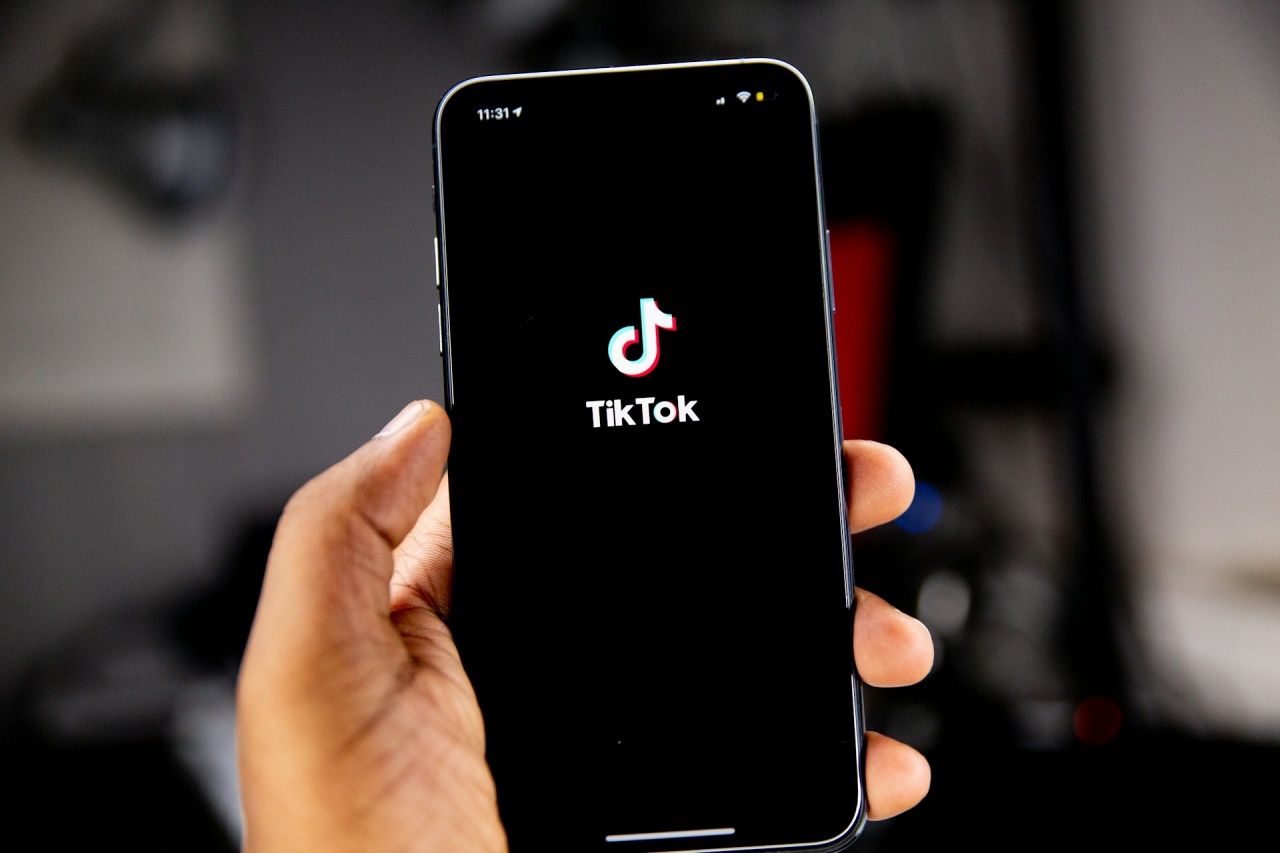
TikTok is facing a total ban in the United States after President Joe Biden signed the bill forcing ByteDance to sell its short-form video hosting service app. The president signed the new bill into law on Wednesday, April 25, after the Senate passed it on Tuesday.
Concerns of Government Officials
With this development, TikTok will face a serious ban if its parent company refuses to sell it. The New York Times reported that things are likely to get more complicated since Congress passed it as a measure to prevent any national security breach. The app was targeted by the new bill due to its ties with China where it originated.
It was reported that security experts and lawmakers agreed with the bill's approval as there are potential risks for the continued use of TikTok in the United States. They explained that the Chinese government may, at one point, lean on ByteDance to get access to the sensitive data of 170 million users in the country. They said that the platform may also be used to spread propaganda.
TikTok Will Challenge the Bill
The law states the government will only allow TikTok in the country if ByteDance sells it within 270 days or around nine months. However, many predict the measure will face roadblocks, including potential resistance from Beijing.
With this issue alone, the case may take years to settle, and TikTok is likely to continue its operations during the legal process. In any case, TikTok vowed it would fight the law for the "unconstitutional ban."
"Rest assured, we are not going anywhere," Shou Chew, TikTok's chief executive officer, said in a video on the company's social media page. "We are confident and we will keep fighting for your rights in the courts."
Finally, some critics said the sell-or-be-banned ultimatum disregards TikTok users' First Amendment rights. ByteDance is also suing to stop the potential ban of TikTok in the U.S., and ABC News noted that there is no guarantee that the court challenge will be successful because the national security claims may still prevail.
Photo by: Solen Feyissa/Unsplash