Sponsored article.
SaaS: Software as a Service - you have likely heard about it, whether you are a private or corporate user.
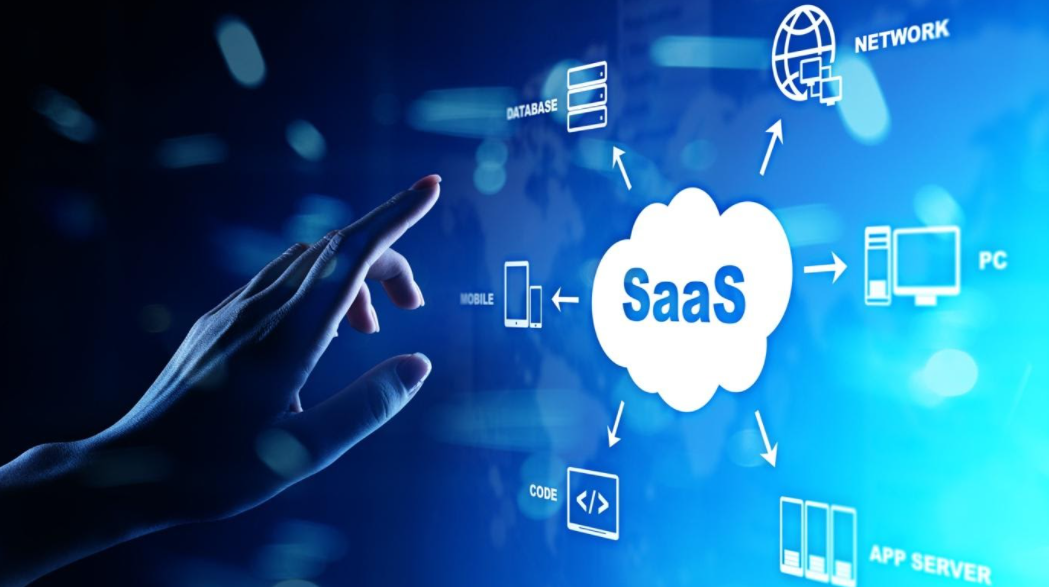
In short, SaaS refers to a broad category of on-demand software services that operate on either a private, hybrid or public cloud. SaaS applications can, for example, be Software-Defined Wide Area Network (SD-WAN), CRM systems, Content Delivery Network (CDN), ERP systems and many more.
SaaS has grown exponentially and is one of the key technological developments of our time. Why exactly do so many companies utilise it? Here are 5 key reasons for the huge popularity of SaaS among businesses:
-
Highly accessible options
As a new startup or a small business with limited funds, initial investments in hardware and developing a robust IT infrastructure can seem rather daunting. SaaS removes much of the issue associated with large and perhaps risky initial investments by offering a complete software solution that requires minimal hardware and operates on a monthly or yearly subscription model.
-
Reduce IT and hardware complexities
Many companies consider SaaS to provide considerable peace of mind due to a number of common issues that occur with traditional IT infrastructure. These include system maintenance, such as running regular backups, installing new updates and security patches that need to be installed manually.
Coming back to start-up costs, SaaS does not require you to invest in new hardware, install new hardware, update current hardware or install a local server to manage your data.
-
Streamline operating costs
The bottom line is important to any business, and SaaS can help you avoid unforeseen and potentially expensive additional costs as well as common maintenance and updating costs. It is not only costly to install a local server but also to run it. The pay-as-you-go payment model of SaaS solutions allows you to only pay for licenses and features that you use.
-
Highly adaptable to your business’ needs
Your business will likely grow and undergo changes, requiring your IT infrastructure to keep pace.. SaaS provides high flexibility and scalability to dynamically adapt to changing needs and requirements. You can also quickly change your usage plan without any issues.
As new technologies and possibilities also emerge, there is also a risk of conventional systems becoming outdated, requiring you to purchase and install new updates or invest in completely new hardware. SaaS can easily be expanded with new capabilities and integrations to continue using current software systems.
-
High levels of data security
Most SaaS providers offer first-class IT security. They are also responsible for the customers’ data security and eliminate the risk some companies may associate with externalising data flows and storage. Leading SaaS provide highly secure connections, data storage and delivery. They also allow you to offload many of the concerns related to various data protection regulations around the world.
This article does not necessarily reflect the opinions of the editors or the management of EconoTimes