


 Most Americans Oppose Election Betting on Prediction Markets, Poll Finds
  Wells Fargo Expands Stablecoin Plans With 20 Major Banks
  Bank of America Hit With $1.2 Billion Fine Over Money Laundering Failures
  Binance to Shut Down Crypto Mining Pool Services on November 10
  Nvidia Invests in Four French AI Companies to Expand European Presence
  Trezor Cuts Reseller Network After Ledger Security Breach
  Tesla Holds $960 Million in Bitcoin as BTC Gains Top $710 Million
  Citi Upgrades Galaxy Digital Stock, Raises Price Target to $28
  Moonshot AI Executives Seek Settlement Ahead of Hong Kong IPO
  Elon Musk Donates $366 Million to 2026 US Midterms
  Canton Network Expands Wall Street Reach With Ripple Integration
  New York Times, AFP Join Coalition to Protect Content From AI
  Visa Wins China Approval to Prepare Domestic Payments Expansion
  AT&T Sells Mexico Wireless Business to Televisa for $2 Billion
  South Korea Blocks 27 Crypto Exchange Websites in Regulatory Crackdown
  Kalshi Seeks Sixth Circuit Review of Sports Betting Ruling


 Add as a preferred source on Google
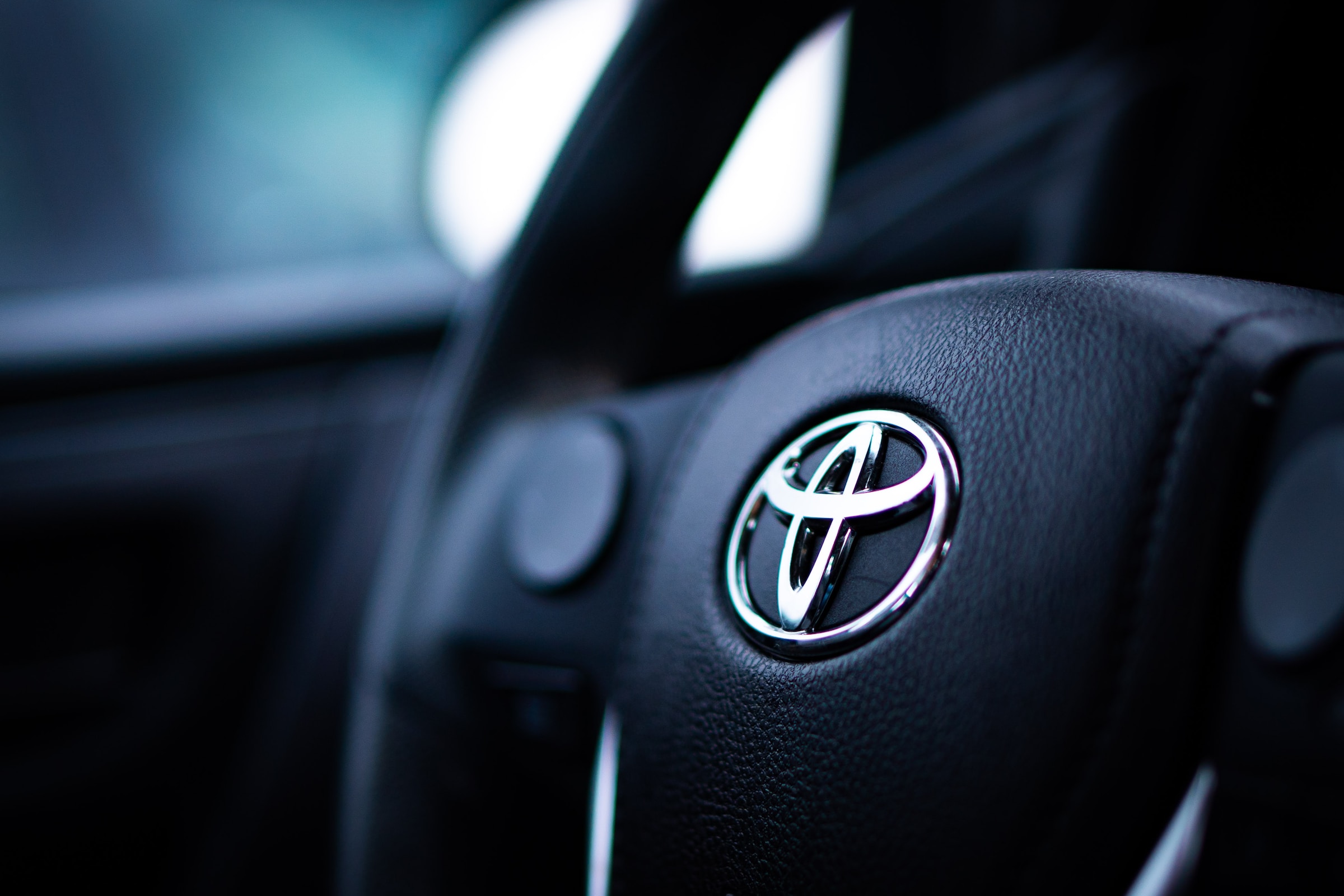
Redwood Materials has entered into a long-term agreement to provide recycled materials for Toyota's $13.9 billion electric vehicle (EV) battery plant in North Carolina. Thursday's announcement puts Redwood Materials at the forefront of the sustainable battery ecosystem.
Circular Battery Ecosystem to Lower EV Costs
Reuters reported that the deal entails Redwood remanufacturing EV battery components using materials sourced from Toyota and recycled from end-of-life vehicles, primarily hybrid-electric models like the iconic Prius. By incorporating a closed-loop, or circular, approach, Redwood intends to reduce EV costs by minimizing reliance on imported materials and decreasing the environmental impact, according to AutoNews.
J.B. Straubel, the Chief Executive Officer of Redwood and also a co-founder of global EV leader Tesla, expressed his enthusiasm about the agreement with Toyota, which positions Redwood to grow alongside the automaker's future needs. With Toyota's continuous expansion plans for the North Carolina plant and potentially other locations, Redwood aims to be a long-term solution for sustainable battery materials.
Redwood has set its sights on building an impressive annual battery component production capacity in the United States, targeting 100 gigawatt-hours. This capacity will be sufficient to supply more than one million EVs each year.
Moreover, Redwood has the flexibility to further expand its annual production capacity to a remarkable 500 GWh. This significant scale-up reflects Redwood's commitment to meeting the accelerating demand for clean and efficient transportation.
Expanding the American Battery Industry
Driven by Straubel's vision, Redwood is constructing a $3.5 billion facility near Charleston, South Carolina, in addition to its existing facility in Sparks, Nevada. From these hubs, Redwood will supply battery components to Toyota.
The company's product portfolio includes remanufactured cathode active material, which is made from recycled lithium, nickel, and cobalt. Additionally, Redwood offers anode foil produced from recycled copper. These two components are vital and contribute significantly to the cost of current lithium-ion cells.
Redwood has already secured recycling agreements with prominent players like Panasonic, Volkswagen, and Ford. Moreover, the company is actively providing remanufactured battery components to Panasonic, as the two companies jointly operate an EV battery plant in Nevada.
To bolster its ambitious plans, Redwood has successfully raised $2 billion in funding, with a valuation of $5.25 billion. Furthermore, the company has secured a Department of Energy-backed $2 billion loan.
Redwood's progressive approach aligns perfectly with the incentives outlined in the U.S. Inflation Reduction Act. This legislation, along with similar measures, aims to incentivize domestic battery component production and reduce dependence on imports from China. Redwood, alongside other companies, seeks to establish a robust and self-sustaining battery industry in North America.
Photo: Christina Telep/Unsplash







