An analysis of BYD's overseas expansion identifies trade barriers as one reason to invest abroad, while research on wider Chinese clean-technology investment shows that most identified projects were not yet operating.
In an April 24, 2025, essay for Phenomenal World, Paolo Gerbaudo examined BYD's move into foreign markets. He treated overseas investment as a later development, distinct from the policies and production choices that helped China's electric-vehicle industry grow.
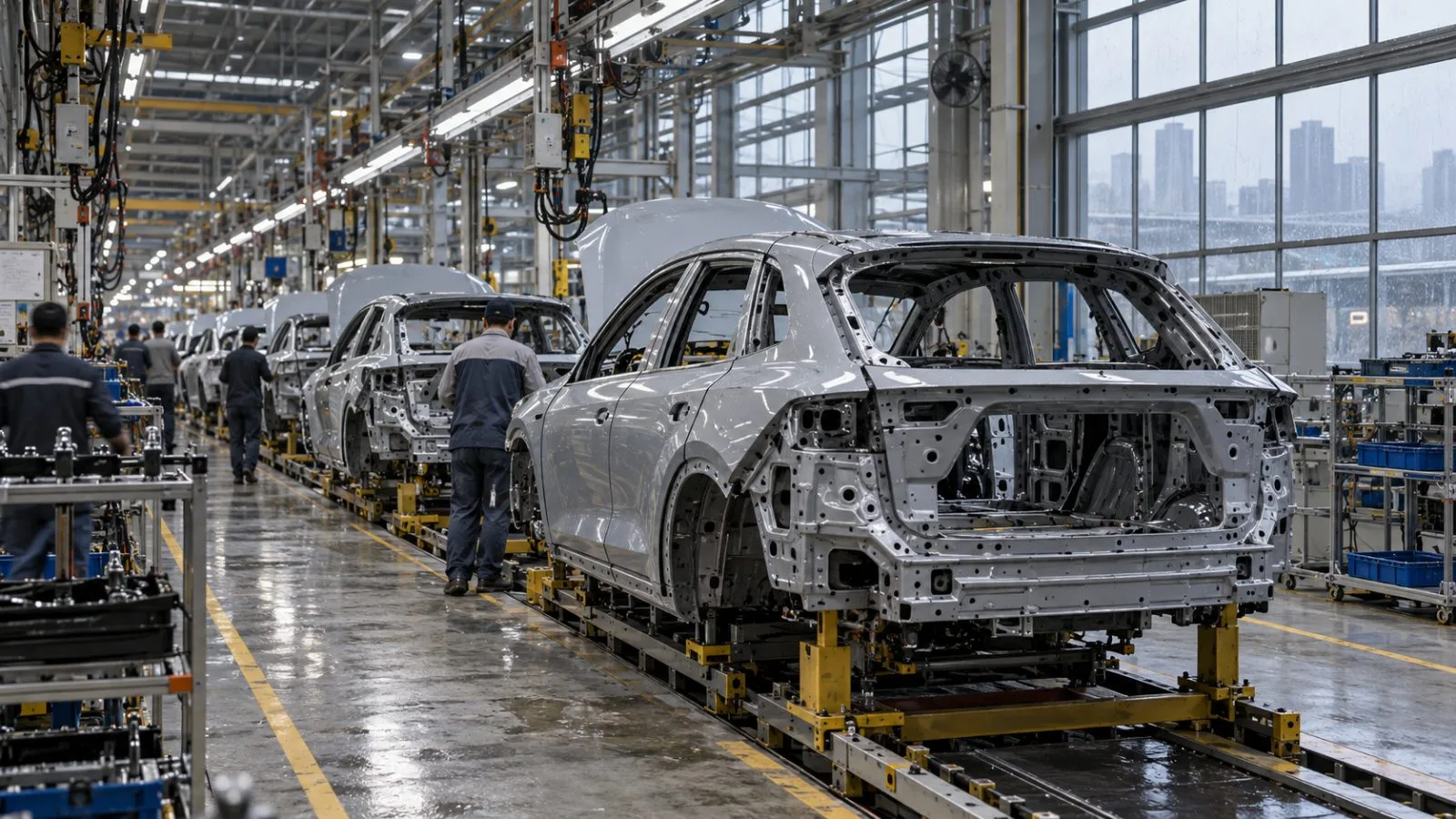
In an earlier essay published April 11, 2024, Gerbaudo linked that growth to government subsidies and BYD's control of important stages of production. Bringing more of a supply chain within one company is known as vertical integration. His account separates those domestic foundations from the reasons a manufacturer might establish operations abroad.
Research by Xiaokang Xue and Mathias Larsen at the Net Zero Industrial Policy Lab records Chinese companies' announced clean-technology manufacturing projects overseas and the investment pledged to them. The announcements document plans and commitments, rather than completed factories.
In a Phenomenal World interview published Sept. 19, 2025, Larsen said most projects identified in the research were not yet operating. He cited access to customers in host countries and other markets, tariffs and raw materials among the incentives for companies to invest abroad.
Tim Sahay, who introduced the interview, placed the overseas push against a U.S. pullback from green technology. Larsen's explanation focused on companies' commercial motives. He said host countries may gain manufacturing capacity and jobs, while reliance on imports can threaten local industry and employment.
Larsen compared the investment push, led largely by private companies, with an earlier Belt and Road model financed by the state. Whether announced manufacturing projects begin operating is the next measure of how much capacity the overseas push creates.