Republican lawmakers said President Donald Trump does not intend to occupy or engage in nation-building in Venezuela, following a classified congressional briefing on U.S. policy toward the South American country. The briefing came after a controversial U.S. military operation that resulted in the capture of Venezuelan President Nicolas Maduro and reignited debate over war powers, regime change, and U.S. involvement abroad.
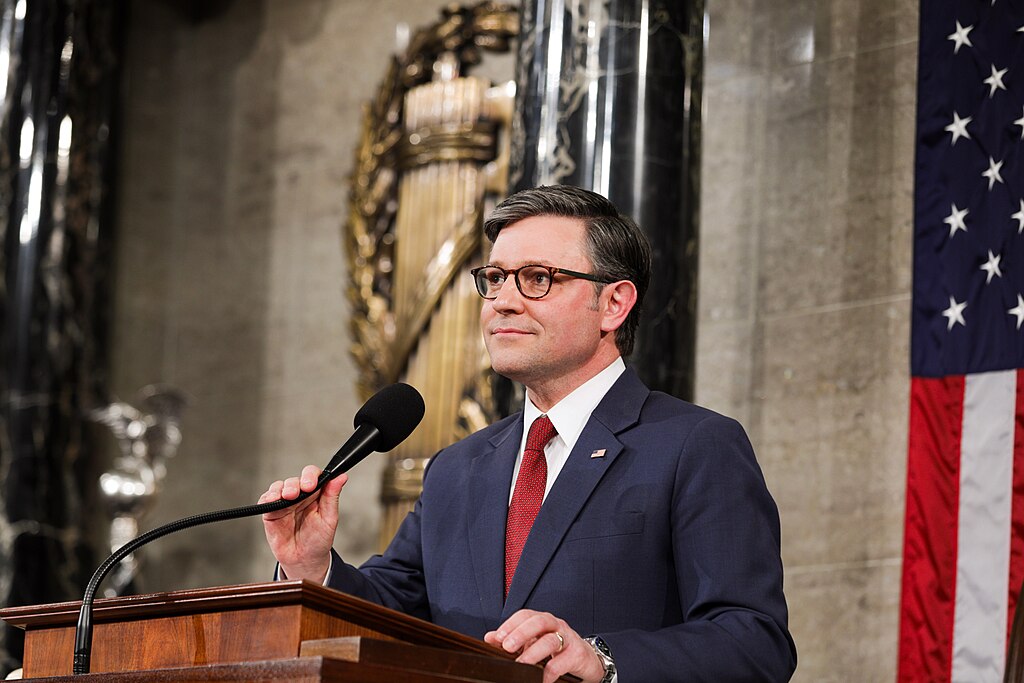
House Speaker Mike Johnson said the United States is not occupying Venezuela and has no armed forces stationed there. He emphasized that the Trump administration’s actions do not resemble traditional nation-building efforts seen in past conflicts. Representative Brian Mast, chairman of the House Foreign Affairs Committee, echoed that message, stating the administration is not pursuing a protracted war strategy and aims to avoid another “endless war” similar to the two-decade conflict in Afghanistan.
The briefing, which lasted more than two and a half hours, was led by Secretary of State Marco Rubio, Secretary of Defense Pete Hegseth, and other senior officials. It followed Trump’s decision to send U.S. troops into Caracas over the weekend to seize Maduro, who later pleaded not guilty in New York to U.S. narcotics charges. The move shocked international leaders, disrupted Venezuela’s government, and angered many Democrats.
Democratic leaders accused the Trump administration of misleading Congress by denying plans for regime change. Senate Majority Leader Chuck Schumer said the administration’s vision for U.S. involvement in Venezuela remained vague and raised more questions than answers. He also warned that lawmakers had not received assurances similar actions would not be taken in other countries.
The Senate is expected to vote soon on a resolution aimed at blocking further military action against Venezuela without congressional approval. Republicans argue the operation did not require authorization because it was brief and framed as a law enforcement action. Critics counter that presidents from both parties have increasingly bypassed Congress in military decisions.
The administration accuses Maduro of running a cocaine trafficking network linked to major criminal groups, allegations he has long denied, calling them a pretext for U.S. interest in Venezuela’s vast oil reserves. Trump has openly expressed interest in those resources, and U.S. oil stocks rose following the operation, reflecting market expectations of increased access.