


 DOJ Will Investigate AI-Related Crimes, Attorney General Blanche Says
  Nvidia CEO Jensen Huang Expected at Trump-Xi State Dinner
  Saudi Arabia Shuts East-West Oil Pipeline After Drone Attack
  UK PM Andy Burnham Set for First Trump Meeting in New York
  US-China Experts Push AI Nuclear Safeguards to Prevent Military Escalation
  Trump Hopes Iran War Nears End as Yemen Fighting Escalates
  Saudi Arabia Raises Security Alerts as Houthi Attacks Threaten Oil Routes
  Countries Tighten Social Media Bans for Children
  Europe can’t achieve space sovereignty alone. Here’s why
  France Urges Faster AI Push Despite Safety Risks
  Trump Threatens EU Tariffs Over Canada Membership Proposal
  Judge Blocks Trump Rule Limiting Foreign Student Visas
  U.S. Probes Apex Logistics Over Nvidia AI Chip Shipments to China
  Vietnam, U.S. Firms Plan 29 Deals Across Energy, Tech and Aviation
  FDA Weighs Safety Standards for Psychedelic Therapies
  US Bans Canadian Alcohol, Motorcycles as Trade War Escalates
  US Officials Meet Houthis in Oman Amid Yemen Offensive


 Add as a preferred source on Google
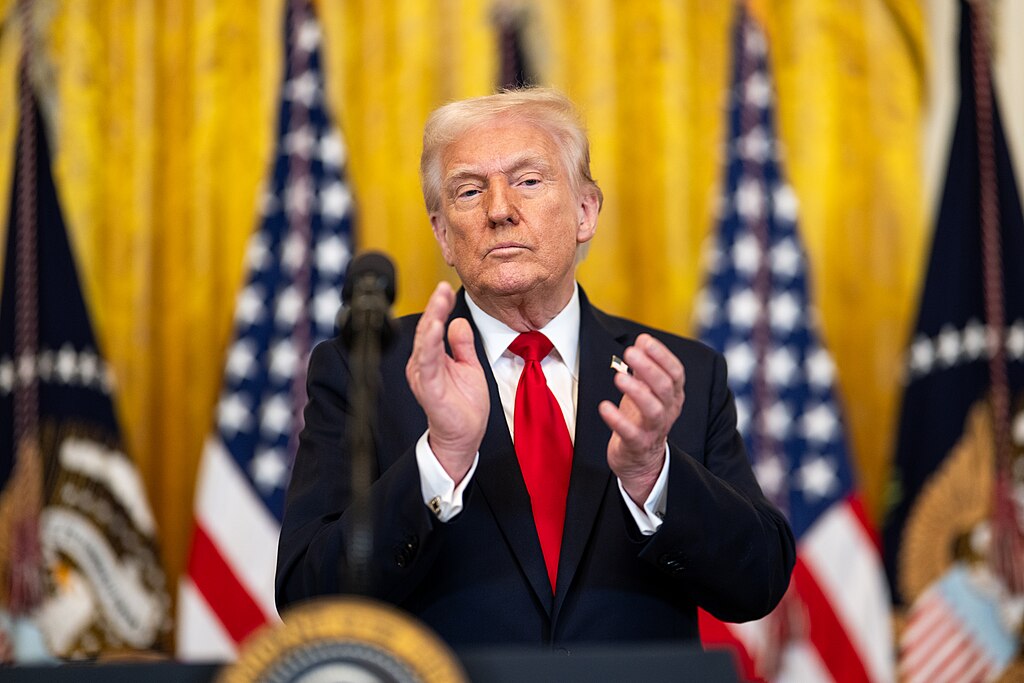
The Trump administration has announced a freeze on certain federal child care and family assistance funds for five U.S. states—California, Colorado, Illinois, Minnesota, and New York—citing serious concerns about fraud and misuse within state-administered programs. The decision was confirmed Tuesday by the U.S. Department of Health and Human Services (HHS) and has sparked widespread debate over accountability, oversight, and the potential impact on families who rely on these programs.
According to HHS officials, the funding pause affects specific streams of federal assistance tied to child care and family support services. The agency stated that reviews and audits raised red flags suggesting that some funds may not have been used in accordance with federal guidelines. As a result, the Trump administration moved to temporarily halt disbursements while further investigations are conducted to ensure taxpayer dollars are properly managed.
The affected states are among the largest recipients of federal child care funding, supporting millions of low- and middle-income families. State leaders have pushed back against the decision, arguing that a funding freeze could disrupt essential services, including child care subsidies, early education support, and family assistance programs. They also maintain that existing safeguards are in place to prevent fraud and misuse, and that any issues should be addressed without penalizing families.
From the federal government’s perspective, the move reflects a broader emphasis on financial oversight and program integrity. Officials stressed that the freeze is not intended to permanently eliminate funding but to compel stronger compliance and transparency in how federal child care and family assistance funds are administered at the state level.
The funding freeze has drawn attention from policy experts, advocacy groups, and parents, many of whom worry about short-term disruptions and long-term uncertainty. As discussions continue between federal and state authorities, the outcome could shape future oversight of child care funding nationwide and set a precedent for how fraud concerns are handled in federally supported social programs.







