


 Vietnam, U.S. Firms Plan 29 Deals Across Energy, Tech and Aviation
  ICE Agent Arrested in Minneapolis Over Venezuelan Man Shooting
  Australia Tightens Student Visa Rules, Targets Migration Cut by 2028
  Europe can’t achieve space sovereignty alone. Here’s why
  Trump Threatens EU Tariffs Over Canada Membership Proposal
  Ukraine Tests New Anti-Drone Weapon After Successful Shahed Intercept
  Google Changes EU Spam Policy Amid Antitrust Scrutiny
  Australia Plans New Rules Giving Users Control Over Social Media Feeds
  FDA Names Permanent Drug and Biologics Center Chiefs
  UK PM Andy Burnham Set for First Trump Meeting in New York
  Yemen Fighting Threatens Red Sea Oil Routes
  Ovechkin Faces Scrutiny Over United Russia Campaign Video
  Who should own the knowledge that underpins AI technology?
  What is Zionism? The different meanings of a contested term
  Saudi Arabia Raises Security Alerts as Houthi Attacks Threaten Oil Routes
  Japan, U.S. Discuss $19 Billion GlobalFoundries Chip Plant
  US Officials Meet Houthis in Oman Amid Yemen Offensive


 Add as a preferred source on Google
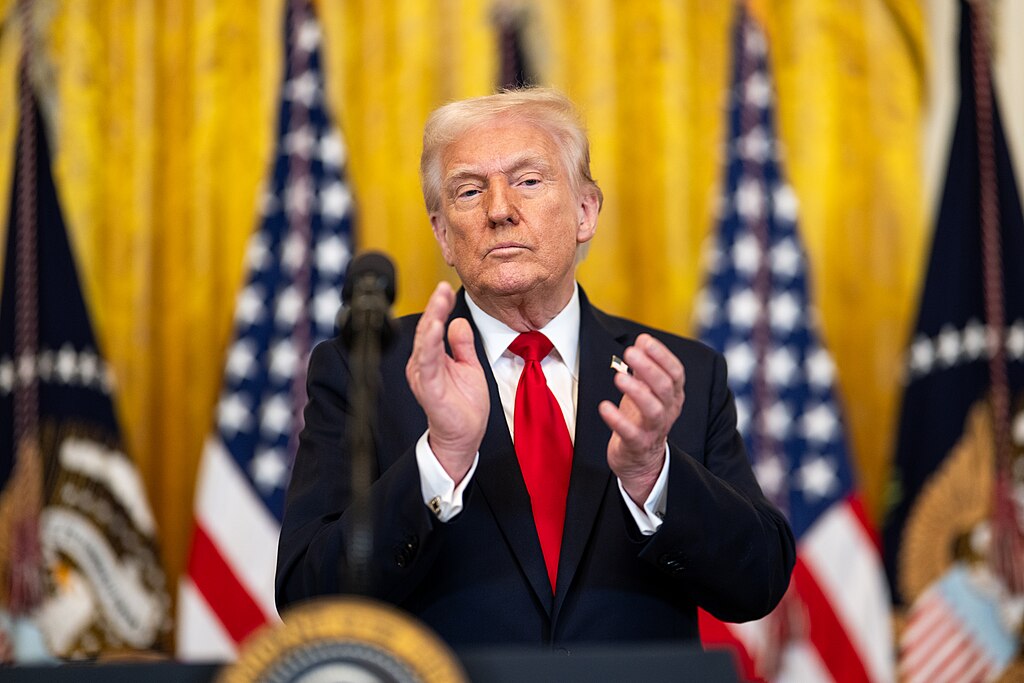
The Trump administration has officially introduced the “Trump Gold Card,” a premium visa program that offers non-U.S. citizens an expedited pathway to live and work in the United States—at a steep cost. Launched through Trumpcard.gov, the initiative invites applicants to pay a $15,000 processing fee to the Department of Homeland Security before undergoing required background checks. Once approved, participants must contribute an additional $1 million “gift” or “contribution” to secure the visa, which the administration describes as a stronger, more prestigious alternative to the traditional Green Card.
President Donald Trump touted the program as a superior immigration option, emphasizing that recipients must be “great people” and highlighting its enhanced pathway to U.S. residency. Commerce Secretary Howard Lutnick reported that roughly 10,000 individuals pre-registered, predicting that the program could eventually generate billions of dollars in revenue for the U.S. Treasury. According to Lutnick, the initiative aims to attract high-earning individuals who can positively impact the American economy, contrasting them with what he described as “average” Green Card holders—though he provided no evidence to support his claims.
This visa model mirrors wealth-based immigration programs used in other countries and aligns with Trump’s broader immigration strategy, which has simultaneously tightened restrictions on both legal and illegal immigration. The Gold Card program, however, serves as a revenue-generating counterbalance, echoing the administration’s view that high-value applicants can boost economic growth similar to how Trump claims tariffs have benefited the U.S.
Additionally, a corporate Gold Card option enables companies to fast-track employee visas for a $2 million contribution per worker, providing businesses a costly but expedited immigration route.
This premium visa program underscores the administration’s continued focus on monetizing immigration pathways while reshaping the nation’s broader immigration policies.







