


 What is Zionism? The different meanings of a contested term
  Brazil Warns EU of Retaliation Over Animal Products Ban
  US Allies Fear Trump Could Soften Taiwan Stance in Xi Talks
  US Resumes Immigrant Visa Processing for Hungary, Poland
  Trump Grants Clemency to Jay-Z Associate Emory Jones
  Lula, Flavio Bolsonaro Deadlocked in Brazil Election Polls
  Australia Tightens Student Visa Rules, Targets Migration Cut by 2028
  Countries Tighten Social Media Bans for Children
  FDA Weighs Safety Standards for Psychedelic Therapies
  Trump Eyes End to Iran War, Plans Gulf Leaders Meeting
  Trump Administration Removes Confederate Memorial Criticism From Arlington Website
  Saudi Arabia Raises Security Alerts as Houthi Attacks Threaten Oil Routes
  Australia Plans New Rules Giving Users Control Over Social Media Feeds
  ICE Agent Arrested in Minneapolis Over Venezuelan Man Shooting
  Who should own the knowledge that underpins AI technology?
  New Zealand Labour Backs Social Media Ban for Under-16s


 Add as a preferred source on Google
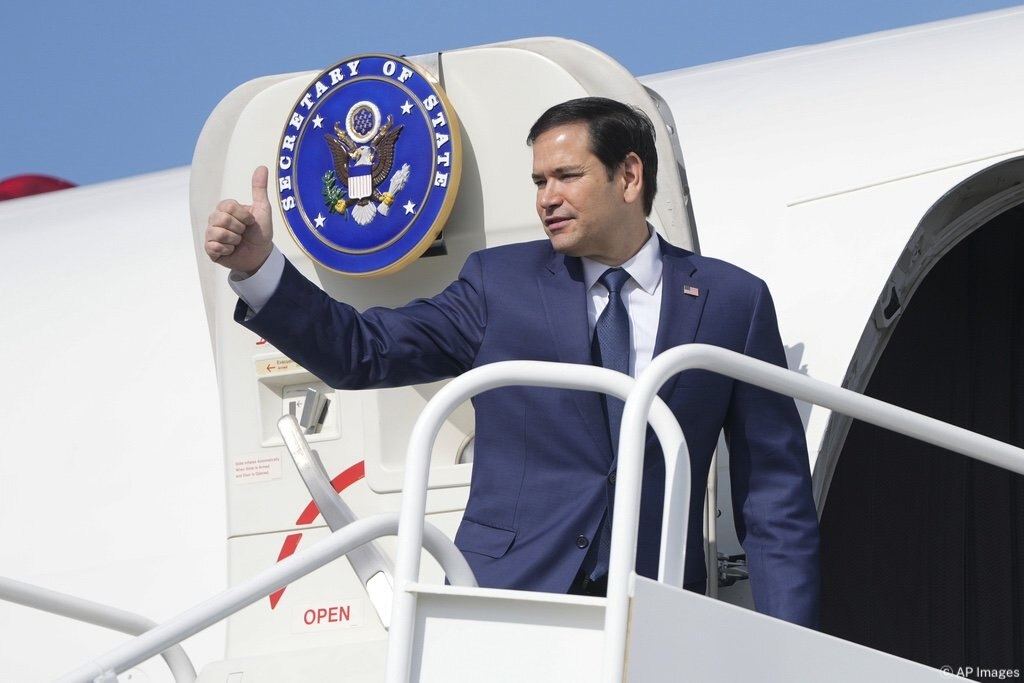
U.S. Secretary of State Marco Rubio has approved major arms deals worth approximately $25.8 billion for several Middle Eastern allies, according to a Bloomberg News report released Thursday. The proposed agreements reportedly include the sale of hundreds of advanced air-defense interceptors along with additional military equipment aimed at strengthening regional security and defense capabilities.
The weapons packages are expected to support key U.S. partners in the Middle East as tensions continue across the region. The approved sales reportedly focus on enhancing missile defense systems and improving military readiness against potential aerial threats. Bloomberg stated that the deals involve sophisticated defense technology designed to reinforce strategic alliances between Washington and its regional partners.
The U.S. State Department has not yet publicly released detailed information regarding the specific countries involved or the full list of weapons included in the agreements. Reuters also noted that it could not independently verify the Bloomberg report at the time of publication.
The reported approval comes amid ongoing geopolitical uncertainty in the Middle East, where governments continue investing heavily in defense infrastructure and missile interception systems. The United States has remained one of the region’s largest arms suppliers, frequently authorizing large-scale military sales to allies seeking to modernize their defense capabilities.
Analysts believe the latest arms agreements could further strengthen diplomatic and military ties between the U.S. and Middle Eastern nations while also boosting the American defense industry. The deals may still require congressional review before final implementation, depending on the type and scale of the weapons systems involved.
The development highlights Washington’s continued commitment to supporting regional security partnerships and maintaining stability in the Middle East through advanced defense cooperation and military technology exports.







