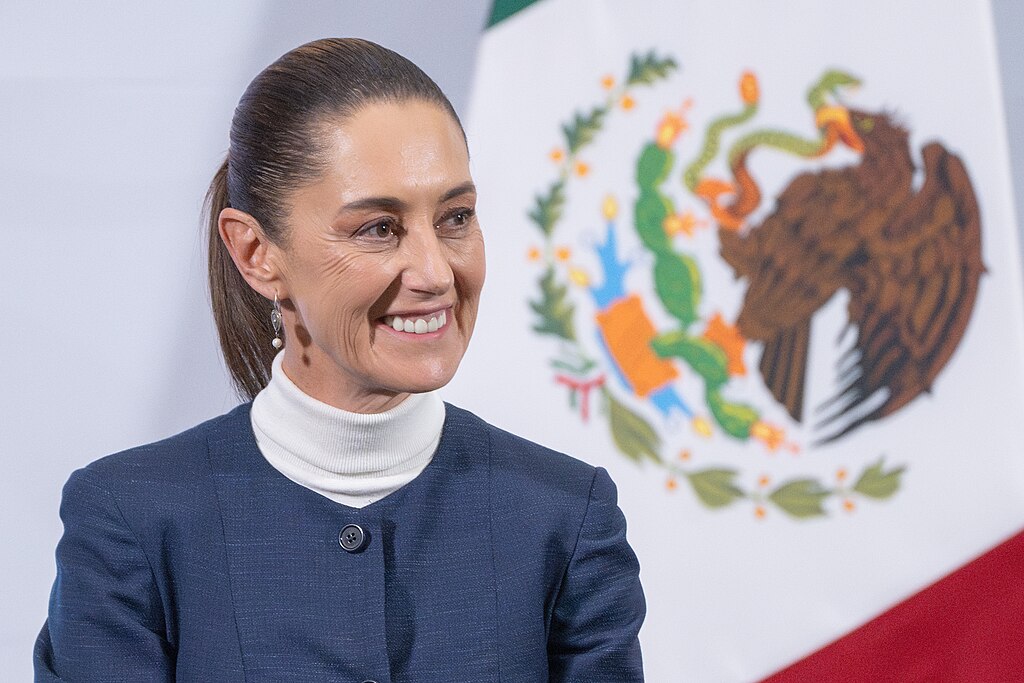
The Trump administration is urging Mexico to investigate and prosecute politicians allegedly linked to organized crime, with potential extraditions to the U.S., according to sources familiar with the matter. U.S. Secretary of State Marco Rubio reportedly raised the issue at least three times in meetings with Mexican officials, pressuring President Claudia Sheinbaum’s administration to take unprecedented action against narco corruption, even within her own Morena party.
Two sources revealed that failure to act could result in increased U.S. tariffs. Among the names mentioned is Baja California Governor Marina del Pilar Avila, who firmly denied any ties to organized crime and highlighted her administration’s efforts to reduce homicide rates.
The Mexican Foreign Ministry denied any such requests from the U.S., stating on social media that it was “absolutely false” that Secretary Rubio or his team made demands to prosecute or extradite Mexican officials. The White House, State Department, and key Mexican agencies declined to comment on the reported discussions.
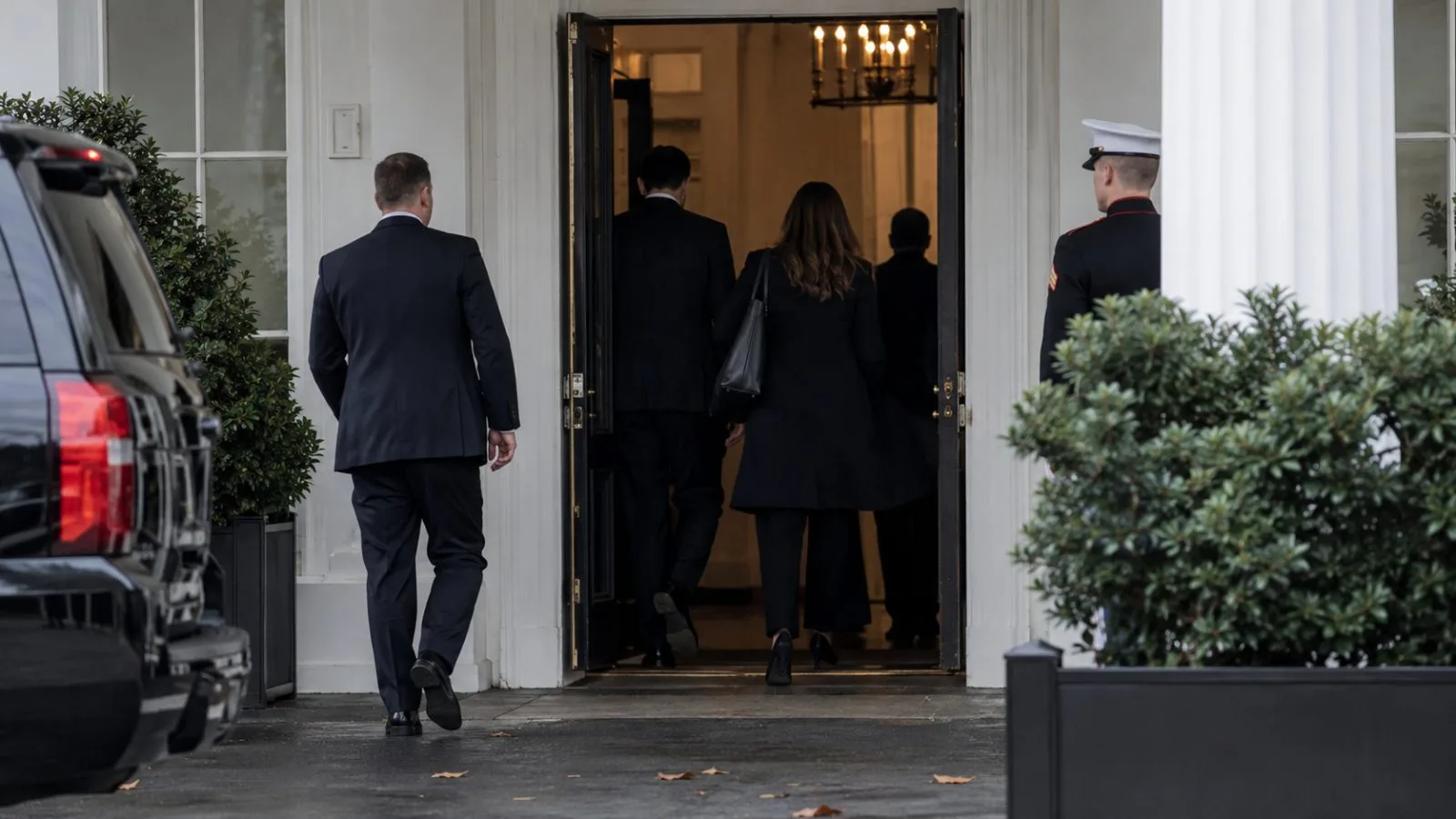
A key meeting reportedly took place on February 27 in Washington, attended by high-ranking U.S. and Mexican officials, including U.S. Attorney General Pam Bondi and Mexico’s Attorney General Alejandro Gertz. Shortly after, Mexico extradited 29 cartel members to the U.S., its largest such transfer in years, amid tariff threats from Trump.
The U.S. is also pushing for stronger fentanyl control efforts and more inspections at the border. Sources say a proposal was floated to appoint a U.S. fentanyl czar to coordinate directly with Sheinbaum. Despite constitutional limits on presidential control over federal prosecutors, Washington continues to express concerns over Mexico shielding politicians from prosecution.
The escalating pressure signals a sharp shift in U.S.-Mexico cooperation on drug policy and political corruption.