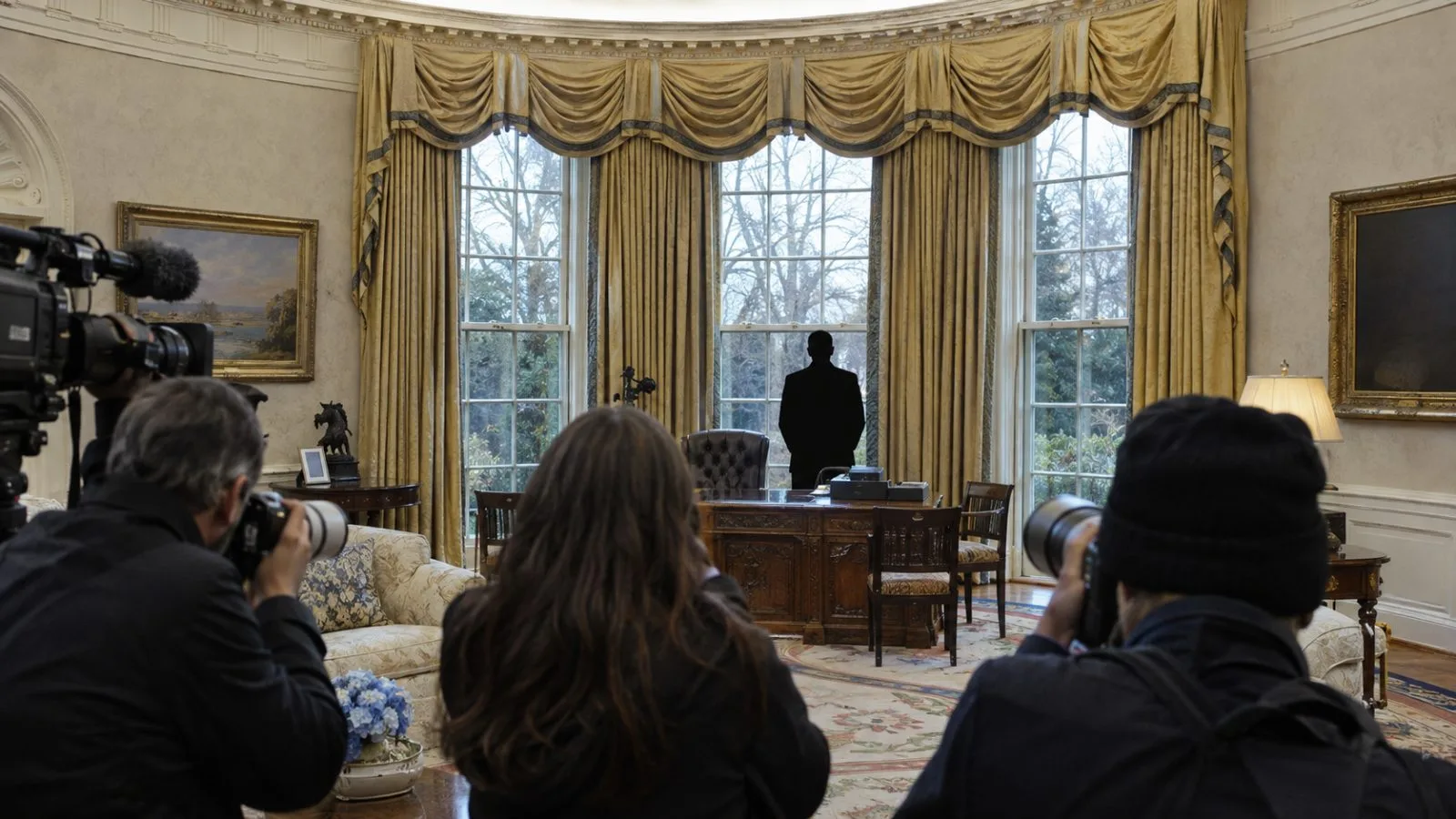
The Oval Office and Cabinet Room would receive protection against demolition and major alterations under a proclamation he signed on Nov. 5, U.S. President Donald Trump said.
Trump said major modifications would require congressional approval, while further documentation and ratification remained necessary. His description left open when the protections would become legally binding.
“We're going to be declaring it a national monument and we're going to send it over to Congress, have it ratified,” he said.
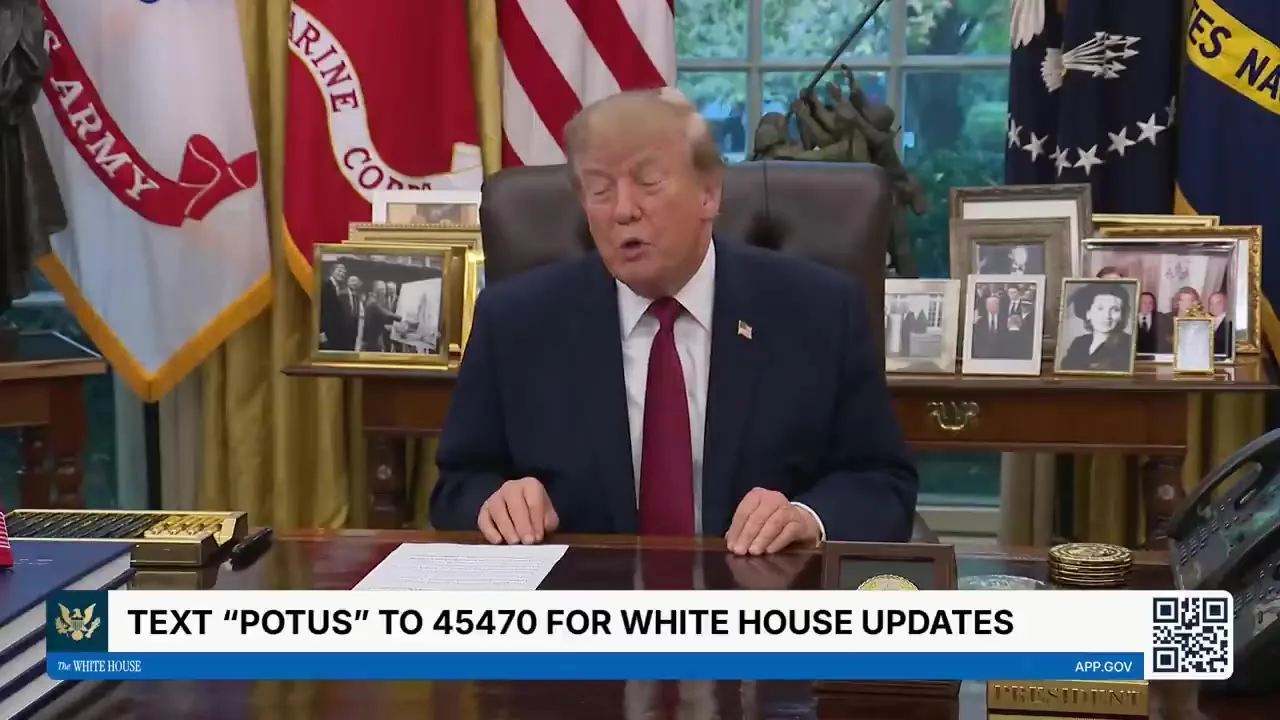
The White House published its own recording, titled “President Trump Participates in Signing Time,” on Nov. 5, 2026. Trump described the rooms together as a national landmark and monument.
He said the protection would prevent future occupants from tearing down walls or changing the Oval Office's shape. He described the room as a symbol of the country.
Trump dated the original Oval Office to 1909 under President William Howard Taft and changes for Franklin Delano Roosevelt to 1934. He described an outside ramp system as part of those changes.
The Cabinet Room had undergone extensive upgrades, including new chandeliers replacing lanterns, he said. Its walls would stay the same and its interior would remain largely unchanged.
Turning to his remaining agenda, Trump promised further actions within one or two weeks without identifying them. He then defended tariffs, taxes on imported goods, as the reason companies were building American factories.
Trump put incoming investment at $22.2 trillion and factory construction at more than 3,000 plants. These were administration claims, with no project breakdown or timetable given.
He attributed 99% of companies' motivation to tariffs and listed rates of 50%, 100%, 150%, 250% and 300%. Companies producing in the United States would avoid those charges, he said.
Trump called the investment total perhaps five times any country's previous record. He predicted lower prices and said removing tariffs would immediately stop construction, without providing evidence for either claim.
Asked about a possible House Republican leadership deadlock, Trump said he might intervene but expected lawmakers to choose a leader themselves. He praised both contenders named in the question.
He also agreed to examine a question about a tanker reportedly carrying Russian diesel to the United States. He gave no decision on whether the shipment could unload.
On Iran, Trump repeated that the country would never obtain a nuclear weapon. He did not confirm whether he had reviewed proposals that mediators reportedly presented concerning its nuclear programme.
He then criticised socialist policies and alleged electoral wrongdoing in Los Angeles without supplying evidence. He expressed hope that New York would do well.
Responding to a staffing question, Trump defended his defence chief and described military operations as successful. He said an operation against Venezuela lasted 48 minutes with no deaths.
On Iran, he said he controlled the straits and oil flows were greater than before the conflict. He variously described the period without deaths as about seven months or six months.
Trump put deaths in the Russia-Ukraine war at 25,000 a month and predicted a settlement soon. He offered no timetable or supporting details.
He relayed an unnamed regional contact's estimate that rebuilding Iran would take 25 to 30 years. He described American control there as virtually an occupation.
Trump put American losses at 18 lives over seven months, calling that too many. He compared those losses with thousands over 21 years in Vietnam and heavy losses in Afghanistan.