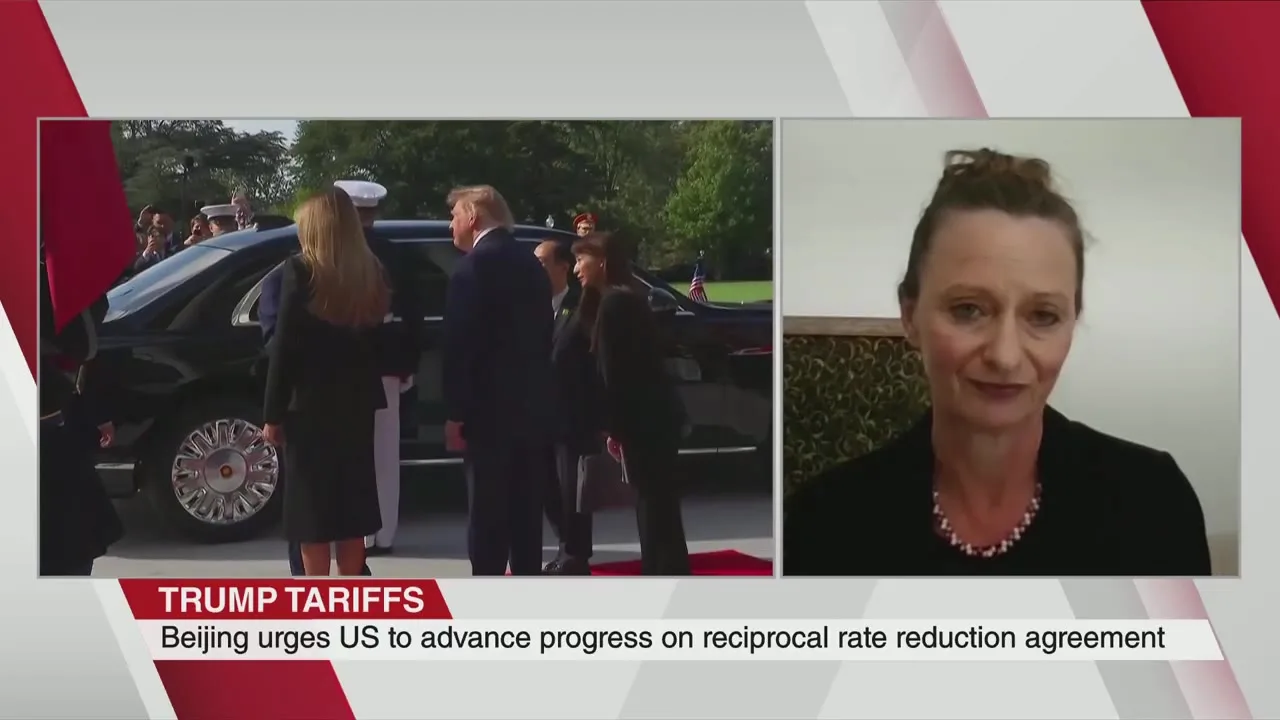
Proposed U.S. tariffs on 14 economies rely on a domestic law being challenged in American courts, leaving their legal basis uncertain, Queensland University of Technology law professor Felicity Dean said.
Dean spoke to CNA in the programme “Trump's new tariffs: Do existing trade agreements offer any protection?”, published Nov. 27, 2026. She said the Trump administration was using Section 301 of the Trade Act rather than international trade rules.
“I don't think the Trump administration particularly cares about international rules,” Dean said. The administration is constrained by U.S. law, she said, but Section 301 is under challenge in the courts, making the outcome uncertain.
Dean said tariffs imposed earlier this year on about 60 countries over alleged modern slavery remained in place. The new proposals use the same law and presidential authority, while changes in the U.S. Congress and Senate could affect what happens next.
She said China might not be the only target. The measures appeared aimed at economies with strong manufacturing sectors and cheaper goods entering the United States, following an agenda to rebuild U.S. manufacturing.
Charging more for imported goods could support U.S. manufacturers, Dean said, but the United States already had an inflation problem and the tariffs might not help. She said it was unclear whether the measures targeted China specifically or all the economies involved.
The proposals also came soon after presidents Donald Trump and Xi Jinping appeared to improve relations. Dean said the shift was surprising because a pause in the broader trade war was expected to last until January, ahead of another meeting next month.
Singapore has pointed to its free trade agreement with the United States, which commits both sides to zero tariffs. Dean said she could not assess its dispute process without reading the agreement, but it appeared to offer no protection against the Trump administration.
Australia's free trade agreement was also ignored when tariffs were imposed on Australian products over modern-slavery concerns, she said. Most trade agreements contain dispute-settlement procedures, which countries could use in negotiations, but Dean said the administration appeared to attach little weight to existing agreements or international trade law.
The tariffs remain proposals, with consultations and hearings still to come. Dean said affected countries would need to consider whether challenging them was worth the time, while businesses faced growing uncertainty.
Small businesses in particular were struggling to plan beyond a few weeks because of repeated tariff changes and reversals, Dean said. She advised waiting to see whether the proposals changed again, adding that Section 301 still had many issues to be debated.