A recent Reuters report reveals how President Donald Trump’s highly centralized foreign policy approach triggered diplomatic shockwaves over Greenland, alarming U.S. allies and even senior officials within his own administration. What began as a routine meeting last month between officials from the United States, Denmark, and Greenland in Nuuk quickly escalated into controversy after Trump announced a special envoy for Greenland and hinted at making the Arctic island part of the United States.
According to sources familiar with the talks, the initial discussions were normal and did not include any plans for a U.S. military or financial takeover of Greenland. That changed when Trump appointed Jeff Landry as special envoy. Landry’s social media post suggesting he would help “make Greenland part of the U.S.” stunned Danish officials and blindsided American diplomats working on European and NATO relations.
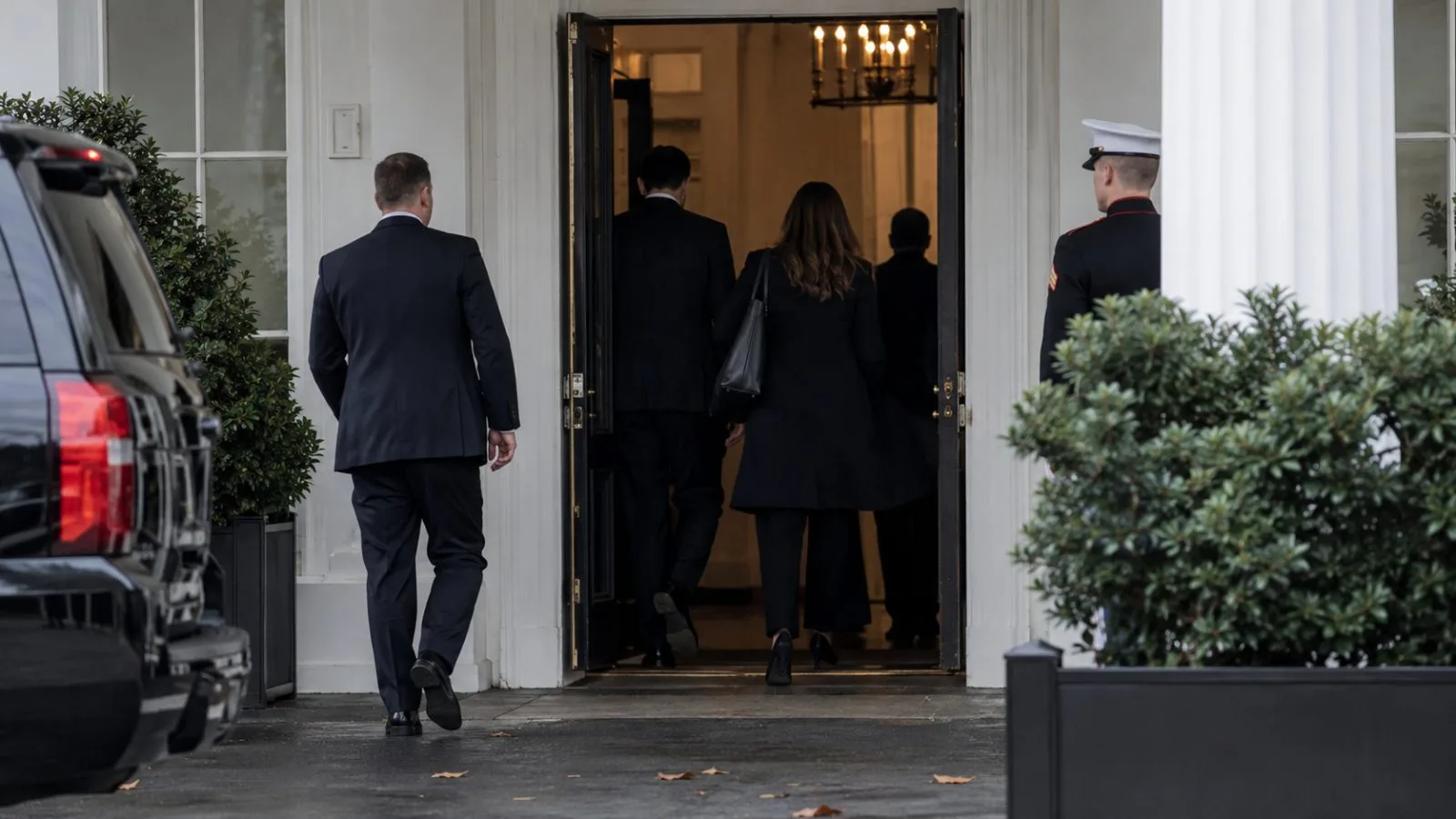
The incident highlighted a broader pattern in Trump’s second-term foreign policy: decisions driven by the president and a small circle of close advisers, often without consulting diplomats, national security experts, or Congress. This approach has led to sudden announcements, reversals, and confusion among allies. In the Greenland case, comments from White House officials, including Deputy Chief of Staff Stephen Miller, fueled speculation about possible military action, intensifying transatlantic tensions.
Lawmakers from both parties reportedly expressed concern, warning administration officials against any unilateral military move that could trigger impeachment proceedings. Although Trump later eased tensions by withdrawing tariff threats and announcing a framework agreement with NATO on Greenland’s future, experts argue the damage to U.S. credibility may already be done.
Critics say Trump’s erratic messaging has made the United States appear unreliable to its closest partners. Supporters, however, argue that his top-down “America First” strategy allows for faster decision-making and more decisive action, bypassing what Trump views as an obstructive bureaucracy.
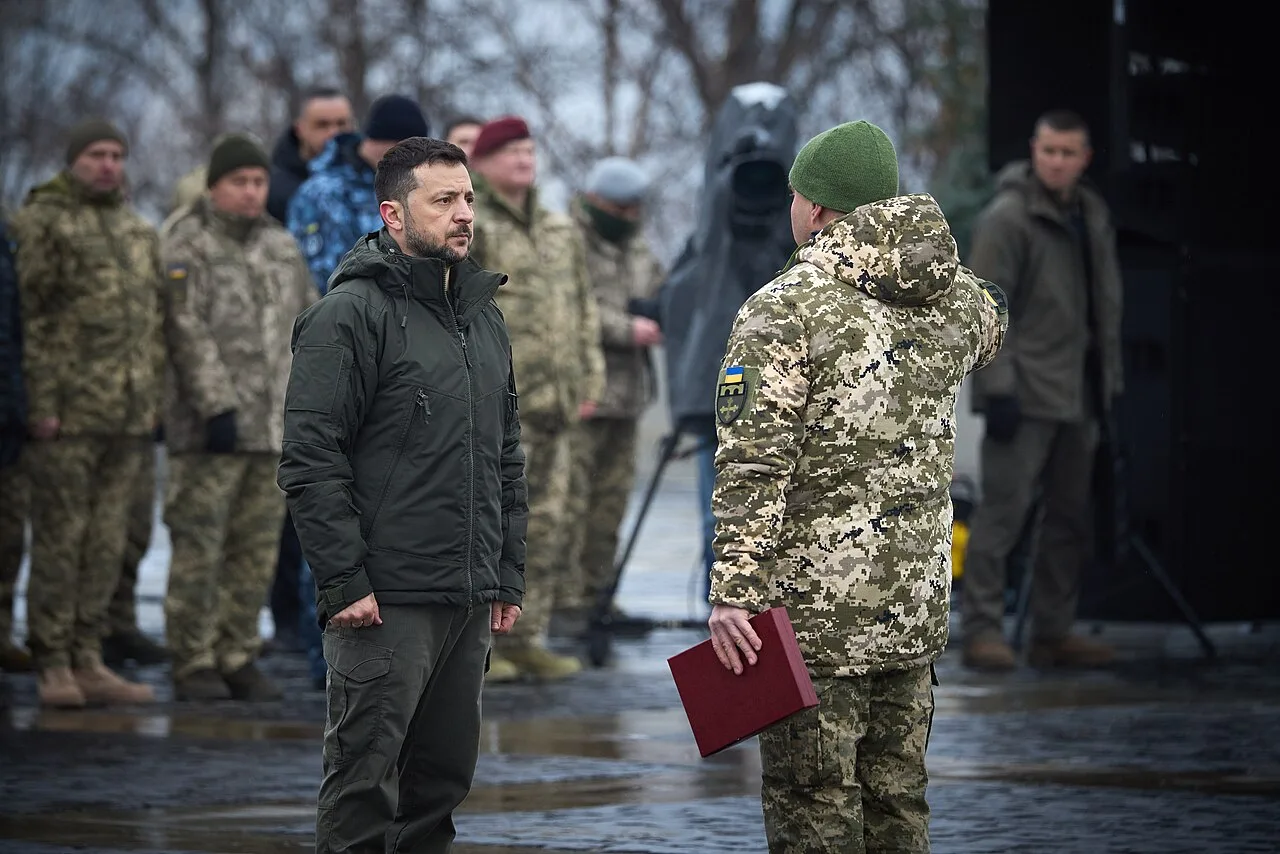
The Greenland episode mirrors similar instances in Ukraine and Syria, where key policy decisions were made by Trump and trusted aides with limited input from traditional diplomatic channels. While military action in Greenland was never seriously considered, the controversy underscores the risks of personalized foreign policy and its potential long-term impact on U.S. alliances, NATO unity, and global trust in American leadership.