Type 2 diabetes is a chronic condition that affects the way your body metabolizes the sugar, or otherwise known as glucose, in your bloodstream. It is the most common type of diabetes and accounts for 90 percent of all diabetes cases.
The condition is characterized by insulin resistance wherein your body is not responding well to insulin.
In response to the presence of sugar or glucose in your bloodstream, your pancreas produces the insulin hormone to move the sugar into your cells to be used as energy.
However, because of the insulin resistance, the sugar in your blood builds up, and if it remains unregulated, it could lead to further increased levels of your blood sugar, which could lead to further complications.
There are short and long-term complications if type 2 diabetes will remain untreated.
Short-term complications are hypoglycemia, which is very low blood glucose, and hyperosmolar hyperglycemic nonketotic syndrome, or very high blood glucose.
Long-term complications are diabetic retinopathy, kidney disease, diabetic neuropathy, and macrovascular problems.
Your diet plays a huge role in managing your blood sugar levels.
In fact, being overweight and an unhealthy diet are two of the risk factors associated with type 2 diabetes.
Health experts say that the easiest way to manage your blood sugar levels is to make dietary changes.
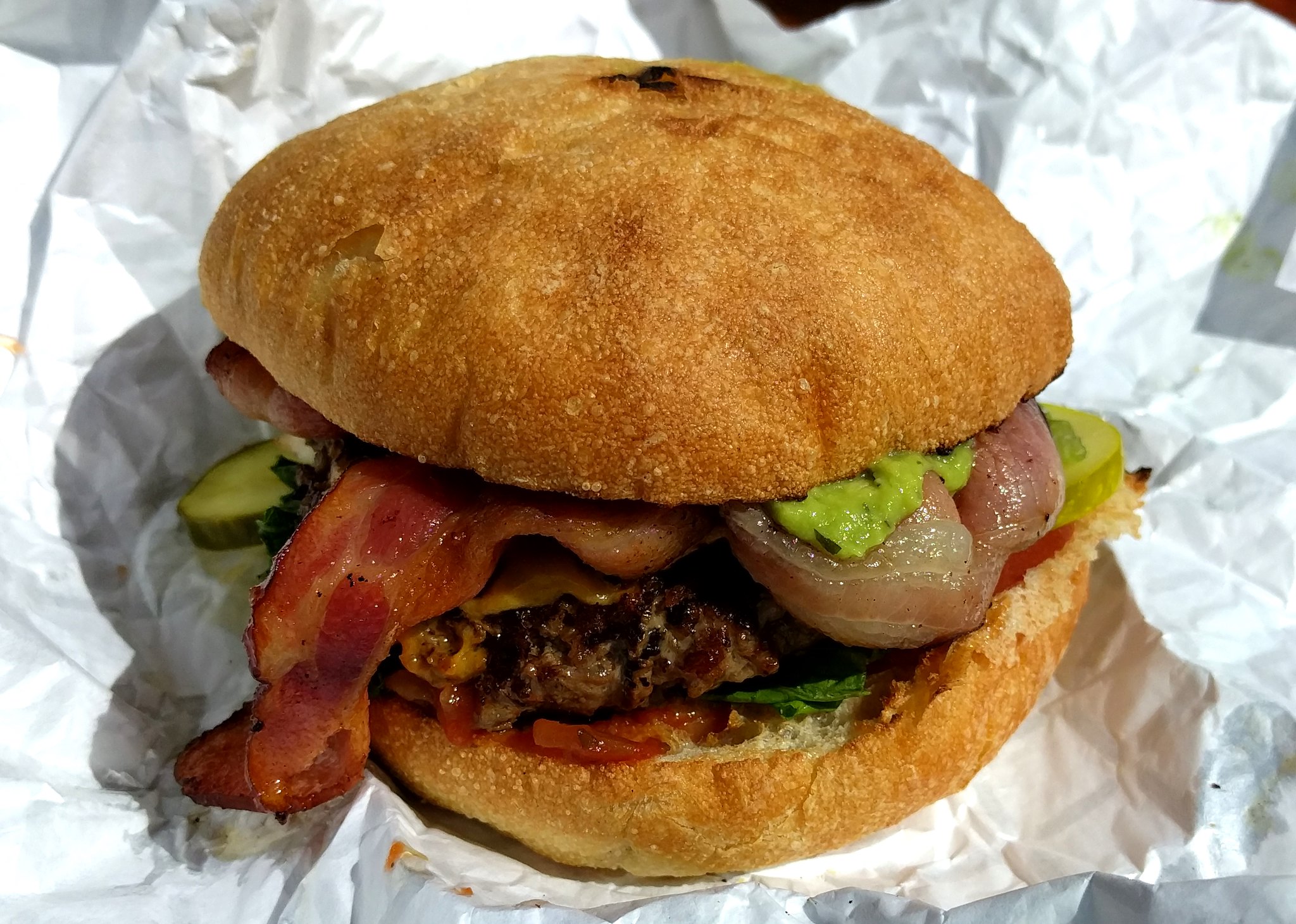
According to the diabetes.co.uk, people with diabetes should avoid three types of food—white carbohydrates, ready meals, and takeaway food.
Your body turns carbohydrates into glucose, thus eating too much would make your blood sugar levels rise.
This doesn't mean, however, that you would avoid having carbohydrates in your diet but just those food that are high in carbohydrates such as white bread, pastries, and pasta.
Because diabetic patients would still need to have carbohydrates, they can source it from fruits, vegetables, whole grain bread, brown rice and beans.
As for ready meals and takeaway food, most of these types of food are high in sodium, fats and sugar. Besides, if you eat these types of food, you would not be able to monitor your food intake or make sure that you’re having a healthy diet.
Image credit courtesy of Ruth Hartnup/Flickr