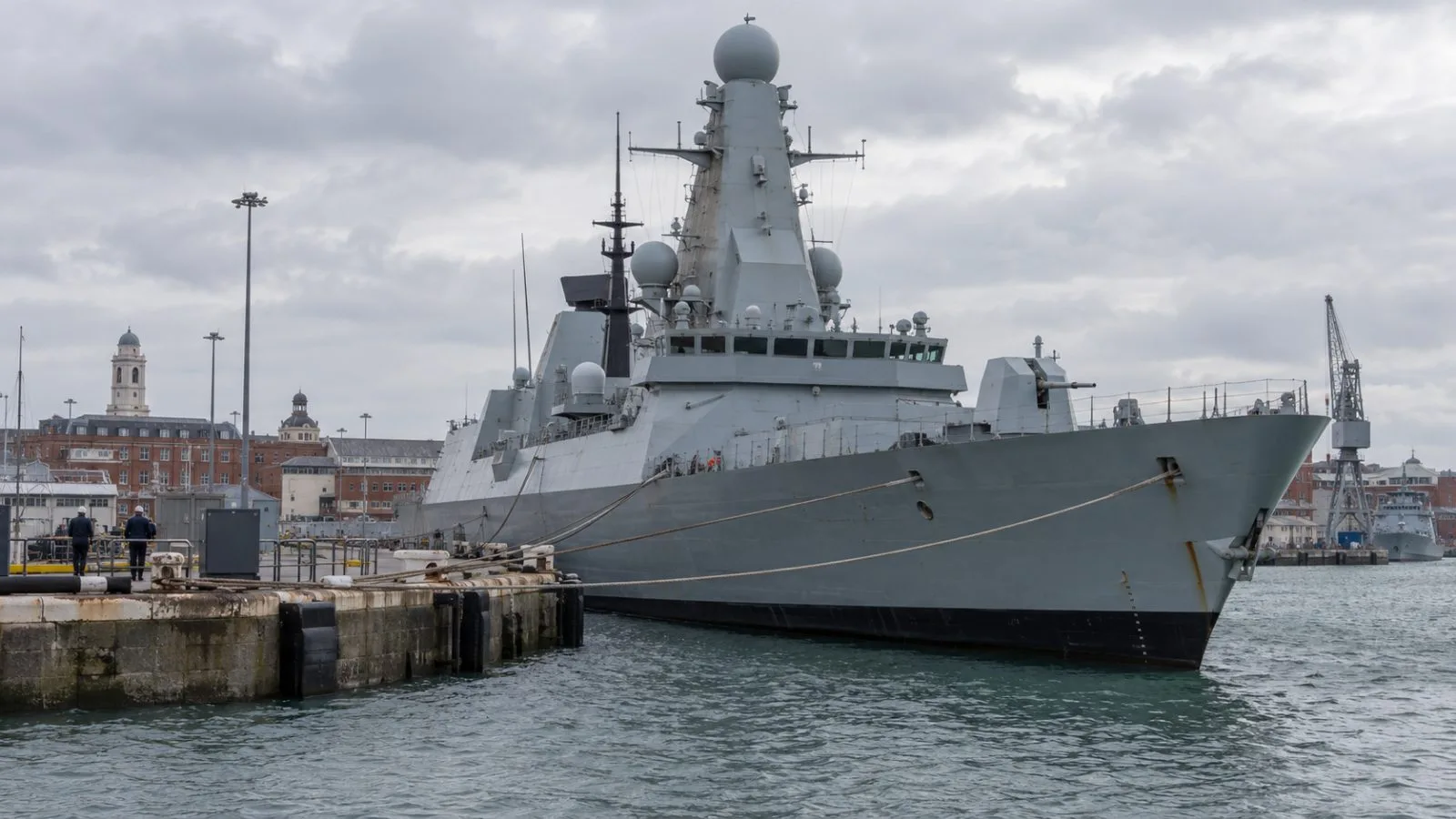
Britain has five frigates equipped with towed-array sonar, while the House of Commons Defence Committee says the Navy needs eight; the gap limits its ability to track hostile submarines in the High North.
The committee’s report, published Oct. 22, also describes low availability among destroyers, frigates and attack submarines. It says the U.K.’s ability to operate submarines beneath Arctic ice has lapsed. Separately, the report warns that Russian submarines can use the ice for cover while threatening NATO sea lanes, British infrastructure and the U.K.’s nuclear deterrent.
The committee identifies undersea cables and energy pipelines in and around U.K. waters as particularly exposed in peacetime. If hostilities begin, it warns, the risks could extend to the public, critical infrastructure and Atlantic resupply routes from the United States. The report also points to Cold War anti-submarine strategy and the vulnerability of transatlantic supply routes.
Defence Committee Chair Tanmanjeet Singh Dhesi said the U.K. “does not currently have all the capabilities to operate successfully in the High North.” The report links the readiness concerns to the shortage of sonar-equipped frigates, low availability across naval forces and questions about the transition from Type 23 to Type 26 frigates.
The committee urged the government to keep each sonar-equipped Type 23 in service until its Type 26 successor is available. It also called for the U.K. to agree with European partners on preparations to counter aggression in the High North from 2030. Canada and European NATO allies, the report says, will need to take more responsibility for protecting their interests as the United States acts more unilaterally in the region.
The warning follows the U.K.’s updated Arctic policy. In a ministerial statement on Oct. 15, the government described its security approach as “NATO-first.” The government has two months to respond to the committee’s report.