A U.S. housing law now includes manufactured homes built without a permanent chassis in its federal definition, potentially widening factory-built options while leaving states and local zoning rules to shape access.
Realtor.com’s Oct. 26 analysis points to local land-use rules as a possible constraint on expansion. Citing Land Use Labs, it says about 17% of zoned land nationwide expressly permits mobile or manufactured-home parks. The report says the underlying data cover roughly two-thirds of U.S. jurisdictions; the estimate concerns parks, not every possible use of a manufactured home.
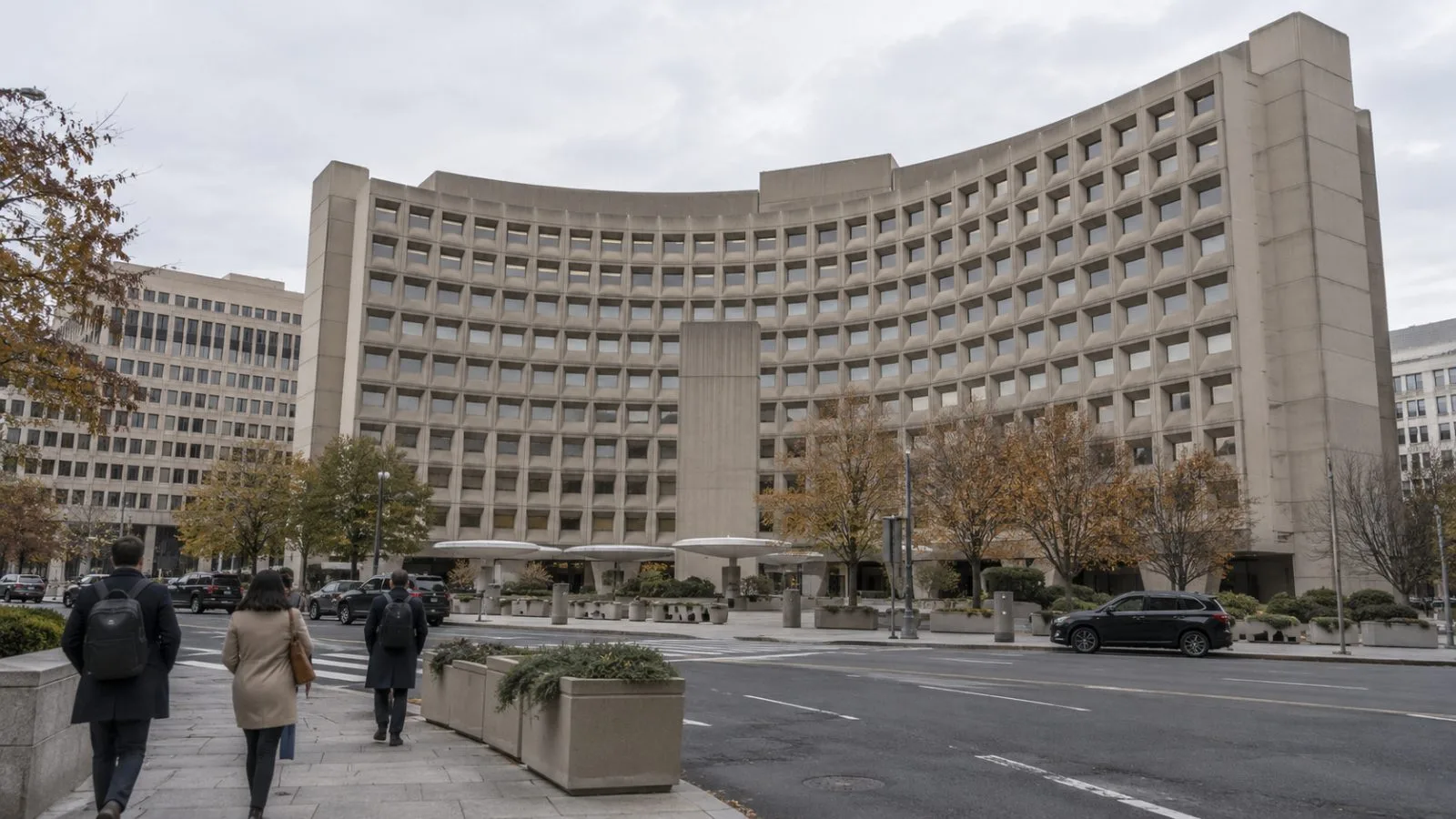
The 21st Century ROAD to Housing Act became law July 11. It directs the U.S. Department of Housing and Urban Development (HUD) to issue revised standards for homes without a chassis. The standard certification window for states is one year, extended to two for states whose legislatures meet biennially. Certifications must show equal treatment across areas such as manufacture, sale, financing, title, insurance, taxes, transportation and installation, along with other matters the HUD secretary may determine.
The law calls for a ban on the manufacture, installation or sale of qualifying homes in a state that misses its deadline. The state enforces the restriction when it oversees installation; when HUD oversees installation, the state and HUD share responsibility. HUD’s Oct. 7 action plan says the department will address design and construction standards, including foundation, anchoring and installation requirements.
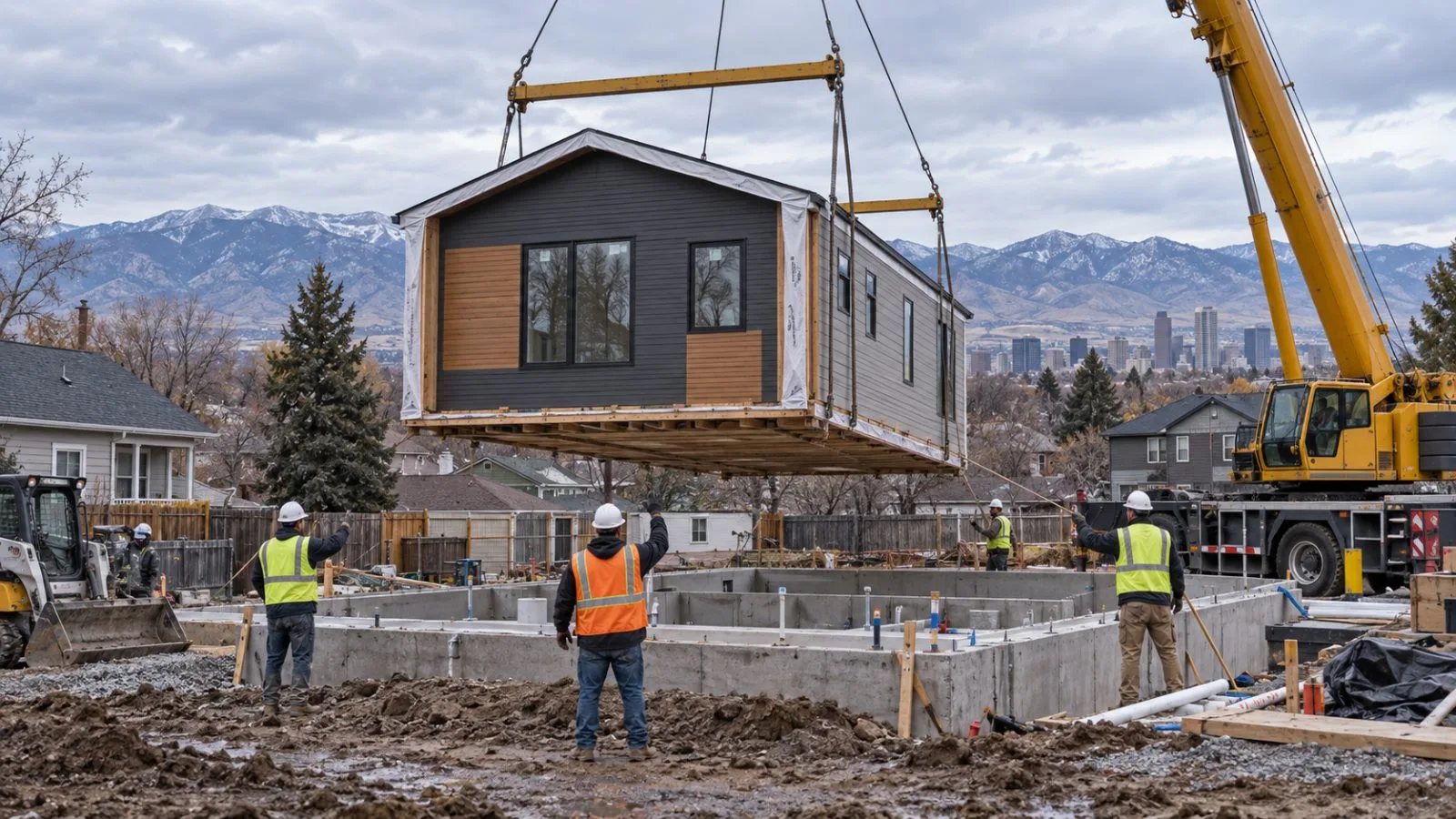
Realtor.com identifies first-time and other entry-level buyers as potential beneficiaries. The analysis says factory construction may proceed alongside site preparation and allow more flexible installation, but it does not estimate savings from removing the chassis requirement. Buyers who do not own land typically need chattel loans, which Realtor.com describes as carrying higher rates and fewer buyer protections.
In its opportunity ranking, Realtor.com placed Hartford-West Hartford first, followed by Denver, Allentown-Bethlehem, Albuquerque and Colorado Springs. The analysis weighs starter-home inventory, new-construction costs and land prices; it identifies markets the report considers better positioned for factory-built housing, rather than forecasting how many homes will be built. HUD’s standards work and state certifications are the next steps under the law.