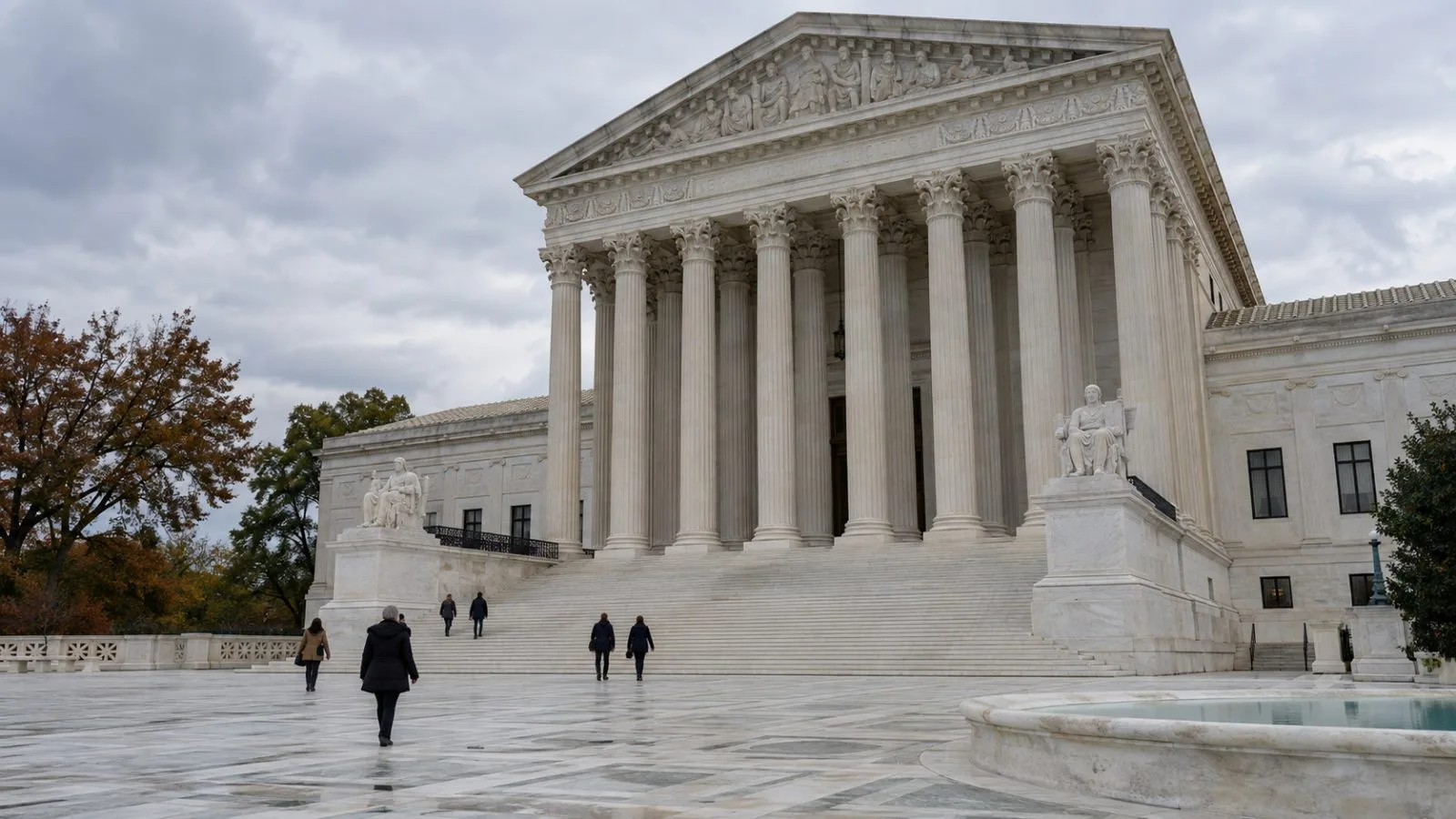
The U.S. Supreme Court will hear arguments Nov. 30 on whether school employees may sue under Title IX for discrimination in their own jobs, a dispute over access to federal courts.
Title IX of the Education Amendments of 1972 bars sex discrimination in federally funded education. Thomas Crowther, a former professor at Augusta University, and MaChelle Joseph, who formerly coached Georgia Tech’s women’s basketball team, filed separate employment-discrimination claims. In November 2024, the 11th U.S. Circuit Court of Appeals ruled that employees have no private Title IX claim for sex discrimination in their own employment.
Crowther and Joseph argue that the private remedy courts have recognized under Title IX extends to intentional discrimination against employees. The Board of Regents of the University System of Georgia and the Justice Department contend that Congress instead provided Title VII as the route for employment claims. Their positions concern the availability of a lawsuit, not a finding that either school discriminated.
Title VII generally requires a worker to file a charge with the Equal Employment Opportunity Commission and receive notice of a right to sue before filing in federal court. Its requirements and coverage still matter for any individual claim: The 11th Circuit rejected Joseph’s particular Title VII argument, which rested on her association with the women’s basketball team. Courts have recognized other types of private Title IX claims, including retaliation claims by employees who report discrimination against students.
A separate voting-rights case illustrates how a limit on private lawsuits can affect enforcement. Arkansas bars anyone other than an election official from helping more than six voters mark and cast ballots at an election. Section 208 of the Voting Rights Act lets voters who need assistance because of blindness, disability or inability to read or write choose a helper, subject to exceptions.
The Eighth U.S. Circuit Court of Appeals ruled that private plaintiffs cannot sue to enforce Section 208. It did not decide whether Arkansas’s limit violates the provision. On June 22, the Supreme Court left that ruling in place by declining to hear the case, without settling the question nationwide.
The Supreme Court convenes at 10 a.m. ET on Nov. 30, with Crowther’s case listed first. Its docket gives no date for a decision.