The UK government is adding £432 million to its rough sleeping response, bringing its total commitment to £874 million as it seeks to provide accommodation or other support in England.
The government said the new allocation is intended to sustain frontline services beyond March 2027 and through the end of the Parliament. The total includes £442 million announced earlier.
The government also said the National Housing Federation pledged to work with housing associations to identify at least 2,000 potential homes and bed spaces. The effort could include returning empty properties to use.
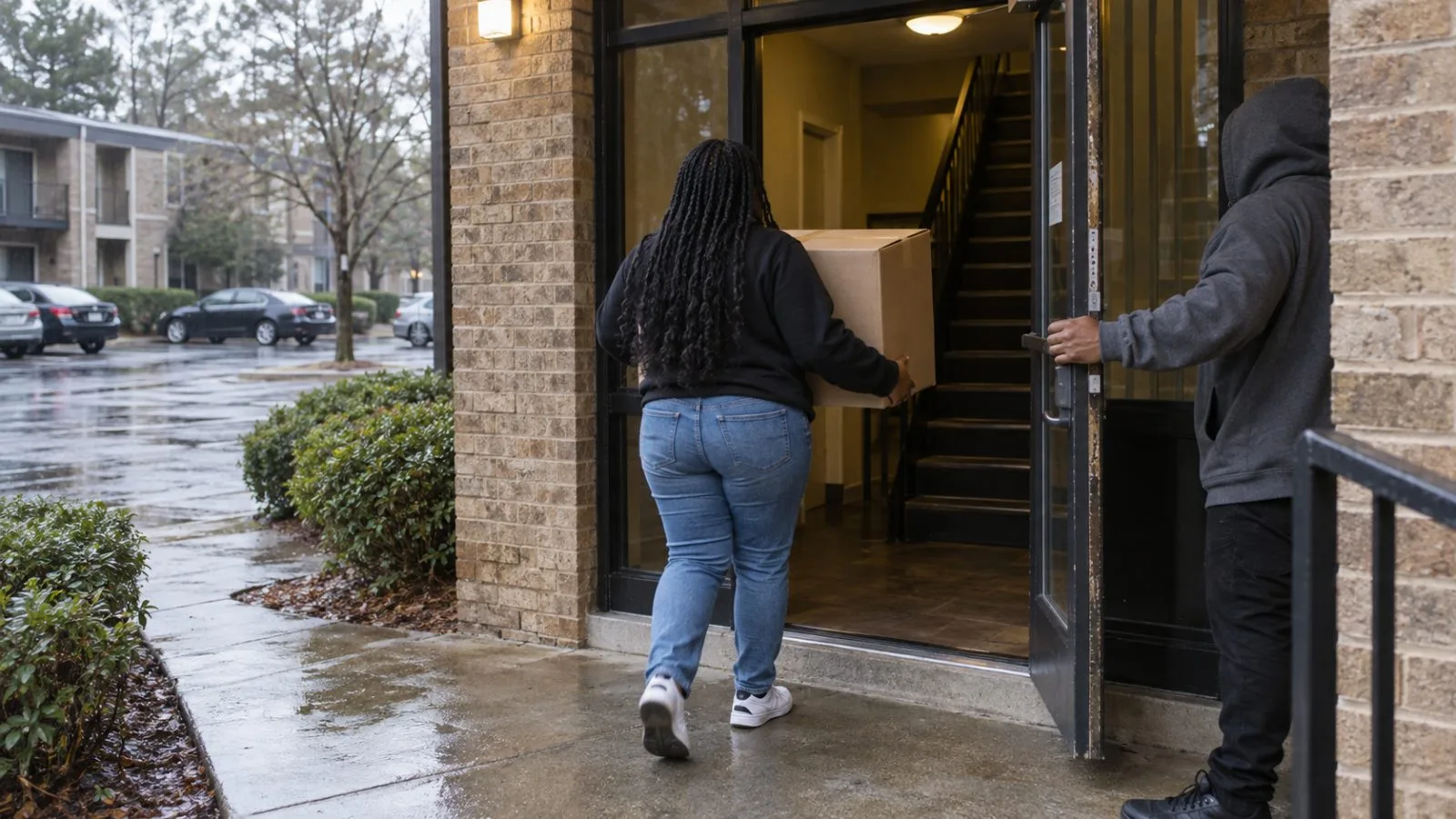
In interviews with The Guardian, former rough sleepers Amy Bell and Martin Fletcher described how hostel access and local support helped them leave the streets. Bell, 37, said she was homeless for seven years while dealing with heroin addiction. She told the paper that a council gave her a voucher for a two-person tent, but workers discarded it and her belongings the following morning, classifying them as litter. After borrowing a phone at a Citizens Advice center, she found a hostel bed and reconnected with a local drug treatment service. Bell said people dealing with addiction can be excluded from hostels and that people without access to a decent phone need face-to-face help. “You are basically set up to fail,” she said.
Fletcher, 61, said a drop-in service run by Basis Sunderland helped him find accommodation in Sunderland in 2024, after more than 20 years of homelessness following redundancy. The Guardian reported that the charity closed the service in July because of a lack of funding.
In an interview with The Big Issue, Prime Minister Andy Burnham said some people might remain sleeping rough after Christmas because not everyone would accept an offer of help. He cited Greater Manchester’s A Bed Every Night scheme, saying progress was hard to sustain when nearby areas lacked similar support and people traveled to Greater Manchester for help.
Chancellor John Healey is due to set out funding details in the Budget on Wednesday, Oct. 28.