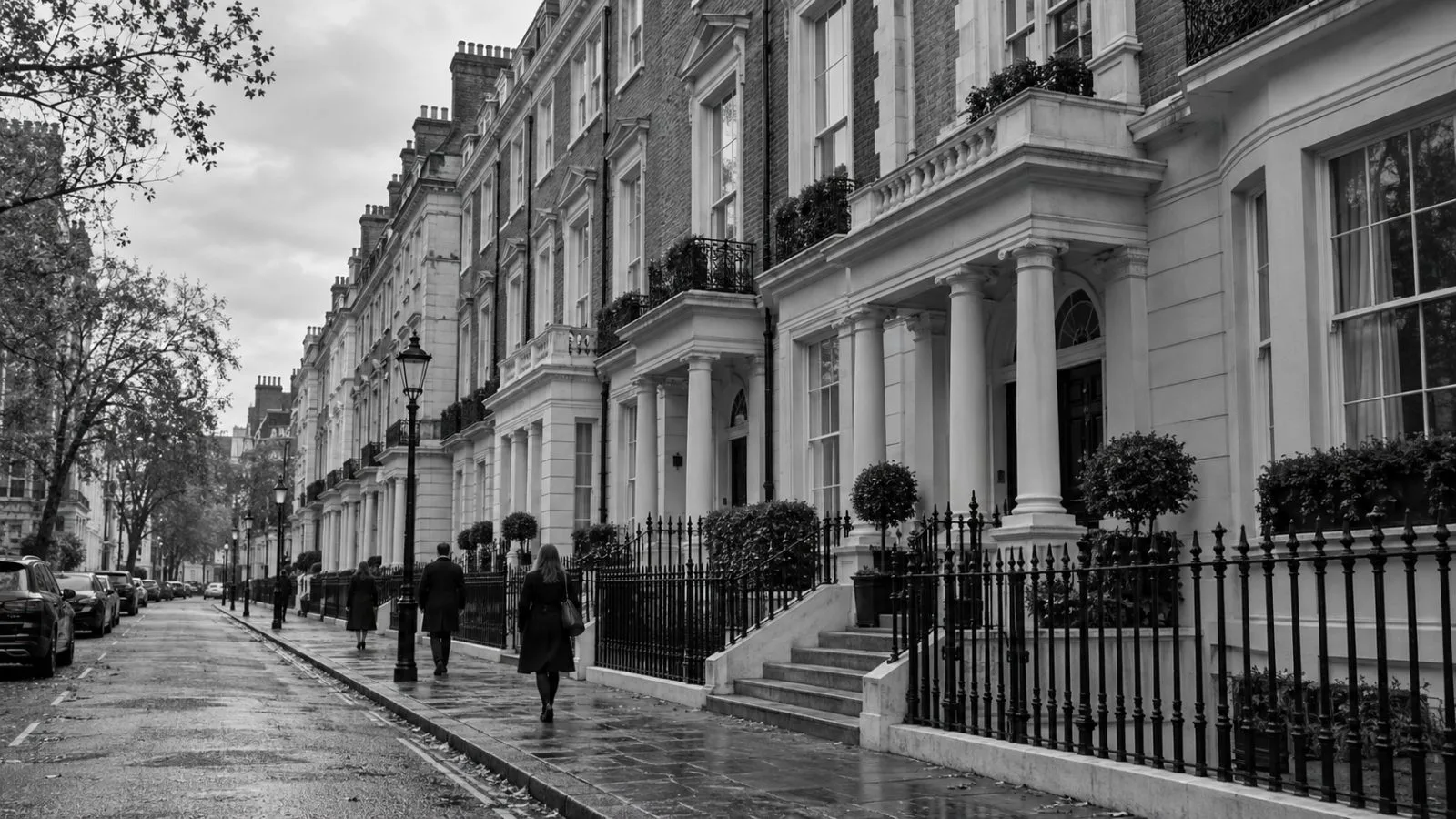
Chancellor John Healey’s Oct. 28 budget directs billions of pounds to social housing and first-time buyers in England, while leaving the wider taxes on home purchases and ownership largely unchanged.
The Office for National Statistics (ONS) said the median home sold in 2025 cost 7.6 times median earnings in England and 6.0 times earnings in Wales. Both ratios improved from 2024 but remained above the ONS’s broad benchmark of five times earnings.
HM Treasury allocated an additional £1.5 billion for social and affordable housing, aiming to deliver about 10,000 homes. The funding brings planned investment in the Social and Affordable Homes Programme to more than £40 billion over 10 years, with social rent and council housing among the priorities.
The government’s Your First Home scheme has £4.7 billion in funding over five years. It offers eligible first-time buyers in England an equity loan of up to 20% of the price of an eligible new-build home, with no interest charged for five years. Borrowers normally repay the same percentage of the home’s value as the share they borrowed, so the amount owed can rise or fall with the property’s value. The government estimates the scheme will support about 70,000 households and 20,000 new homes.
The budget did not announce a broad redesign of taxes on buying or owning homes. For a single residential property in England and Northern Ireland, standard Stamp Duty Land Tax rates, before any relief, are 2% on the portion of the price between £125,001 and £250,000 and 5% on the portion between £250,001 and £925,000. Scotland and Wales have separate transaction taxes. Council Tax bands still use property values as of April 1, 1991, in England and April 1, 2003, in Wales.
The budget confirmed details of an annual High Value Council Tax Surcharge, due to begin in England on April 1, 2028. It will apply to homes worth at least £2 million, with annual charges ranging from £2,500 to £7,500; the top charge applies to homes worth £5 million or more. The government estimates 150,000 individuals will be affected.
From April 6, 2027, property-income tax rates are scheduled to rise to 24% for the basic rate, 44% for the higher rate and 49% for the additional rate. HMRC estimates about 2.4 million landlords will face a tax change by 2031-32.
In an Oct. 31 opinion column for The Guardian, Phillip Inman argued for tax reform that would make moving less costly and reduce housing’s role as a store of wealth. The Institute for Fiscal Studies (IFS) says stamp duty can reduce home sales and moves, affecting how the existing stock is matched with buyers. It also argues that tax changes cannot quickly expand housing availability when construction responds slowly, and that planning limits are a stronger constraint.
Applications for Your First Home are scheduled to open in February 2027, with the first sales expected in April 2027.