The British and Irish Prime Ministers said this week that they are open to reforming the 1998 Good Friday Agreement. However, the prime ministers noted that any debate to reform the peace agreement could only be done if the powersharing government that was key to the deal was restored.
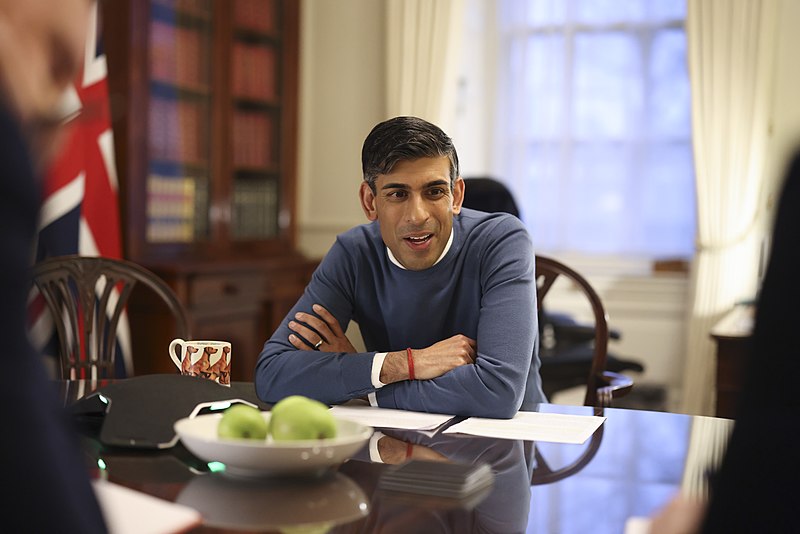
On Wednesday, British Prime Minister Rishi Sunak and his Irish counterpart Leo Varadkar said they were open to making reforms to Northern Ireland’s Good Friday Agreement. This year marked the 25th anniversary of the peace deal, which largely saw the end to decades of sectarian violence in the region. Both prime ministers said that debate on such reforms could only be done if the power-sharing government was restored.
“I think its the shared view of the British and Irish government that there is a conversation that needs to happen about reforming the Good Friday Agreement. No agreement should be set in stone forever,” Varadkar told reporters after an event marking the 25th anniversary of the peace deal.
“I think there’s a time and place to have that debate but it should happen when the assembly, the executive, north/south ministerial bodies are up and running because people will be in a different mode then,” Varadkar added.
Sunak said in his remarks that he understood the frustrations of those who want changes but that any talks on reform could only be done when the powersharing government was restored and must be supported by all communities. Both Sunak and Varadkar encouraged the Democratic Unionist Party – the region’s largest political party, to end its boycott over the new post-Brexit trade agreement.
Sunak said he would listen to the DUP’s concerns and would continue to try and convince them to accept the recent changes to the trade rules that were established in February.
The architects of the Good Friday Agreement also urged a return to the powersharing government to end the political deadlock. Former US Senator George Mitchell, who oversaw talks between Irish nationalists and pro-British unionists in 1998, said peace was at stake if the deadlock continues.
Former British Prime Minister Tony Blair also appealed to the current leaders saying that they know deep down what needs to be done, which is why they must take action.