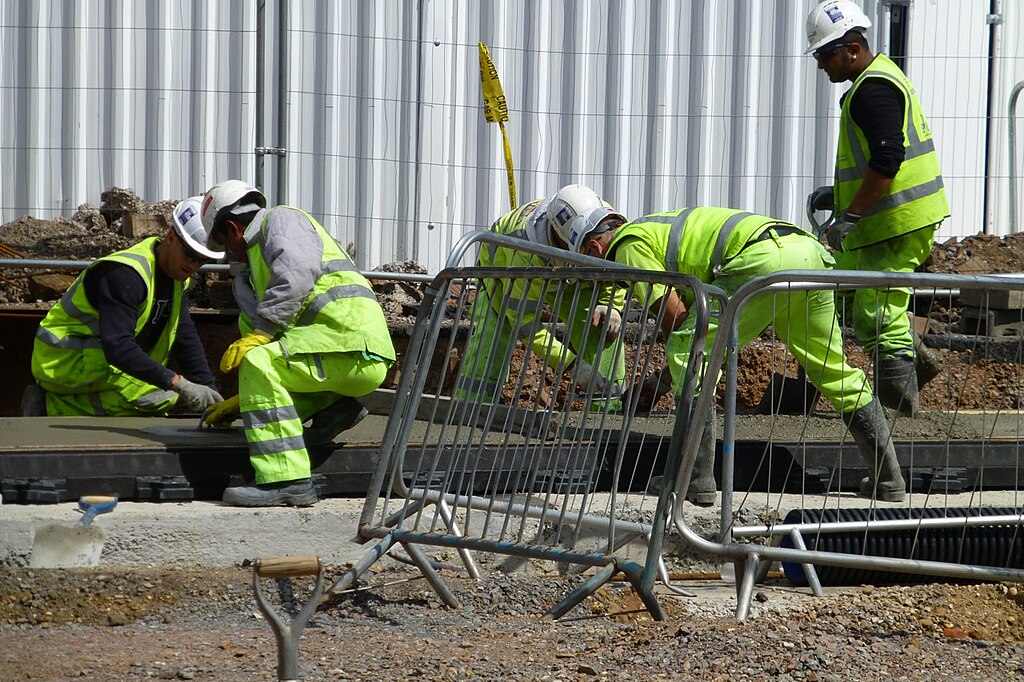
Britain will invest £600 million ($775 million) to train construction workers and address severe labor shortages threatening its goal to build 1.5 million homes by 2029. The plan, announced by Finance Minister Rachel Reeves, is part of the Labour government’s broader economic growth strategy focused on housebuilding and infrastructure.
Construction makes up around 6% of the UK’s GDP and is vital to growth in other sectors. Reeves emphasized the government’s commitment to "get Britain building again" by removing planning barriers and tackling the shortage of skilled labor.
The country’s construction workforce has been shrinking since Brexit and the COVID-19 pandemic, leading to a significant rise in job vacancies. Official data shows 38,000 construction job openings in the three months to February 2025. Compounding the issue, many experienced workers are approaching retirement, with the Construction Products Association warning that 500,000 workers—25% of the current workforce—could retire in the next 10 to 15 years.
To address this, £165 million will go toward expanding construction courses in colleges, while £100 million will support upskilling for new, current, and returning workers. The Construction Industry Training Board will add £32 million to fund over 40,000 industry placements annually through 2029.
The government expects the initiative to train up to 60,000 professionals, including bricklayers, electricians, engineers, and carpenters. The investment aims to support the UK’s long-term infrastructure goals while stimulating job creation and economic resilience.
Reeves is expected to reveal further fiscal updates in her spring statement next week, including potential cost-saving measures to meet her fiscal targets. The construction investment marks a significant step in solving the UK’s labor crisis and ensuring the success of its ambitious housing and infrastructure plans.