


 ECB May Stop Rate Hikes After December, Capital Economics Says
  Fed Unveils Stablecoin Rules Under GENIUS Act
  Japan Factory Output Unexpectedly Falls 1.7% in August
  US Stocks Slip as Treasury Yields Ease, AI Trade Rebounds
  Asian Currencies Mixed as Yen Weakens, RBA Hike Looms
  Australia Budget Deficit Narrows to A$22.3 Billion on Stronger Tax Revenue
  BlackRock’s Rick Rieder Favors Bonds Over Stocks as Treasury Yields Surge
  Asian Currencies Weaken as Dollar, Oil Prices Rise
  US Alcohol Ban Exposes Canada’s Internal Trade Barriers
  RBA Set for September Rate Hike as Inflation Stays High
  U.S. Stock Futures Steady as AI, Rate Concerns Weigh
  Asian Stocks Fall as Bond Yields and Oil Prices Surge
  BOJ Set to Raise Rates to 1.25% as Inflation Risks Build
  UK Housebuilder Stocks Surge on New First-Time Buyer Loan Scheme


 Add as a preferred source on Google
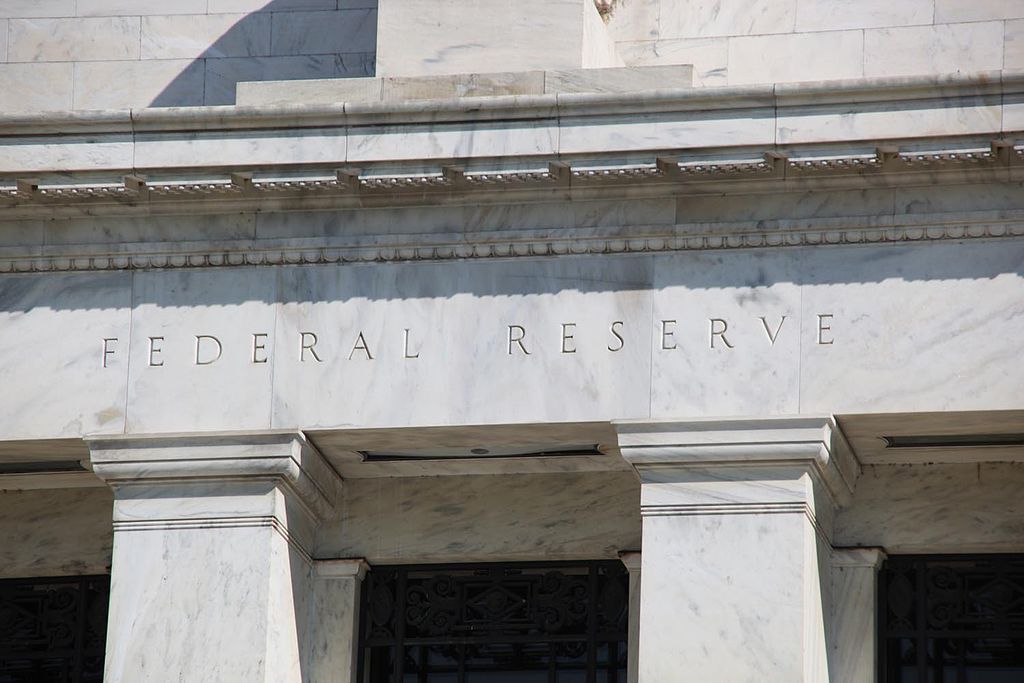
Federal Reserve Bank of Chicago President Austan Goolsbee said Thursday that recent inflation data has been encouraging, raising the possibility of additional interest rate cuts next year if current trends continue. Speaking in a Fox Business interview, Goolsbee emphasized that the long-term level of interest rates is likely lower than where it stands today, provided inflation continues moving toward the Federal Reserve’s 2% target.
According to Goolsbee, the recent slowdown in inflation supports the view that monetary policy may eventually become less restrictive. He stated that if the Federal Reserve continues to meet its inflation objectives, it would be realistic for interest rates to decline meaningfully by the end of next year. His comments come amid heightened market attention on future Fed policy, as investors closely monitor signals around interest rate cuts, inflation trends, and economic growth.
Despite his optimistic tone, Goolsbee has urged caution. He was one of two Federal Reserve officials who voted against the most recent rate cut, citing discomfort with front-loading reductions too aggressively. He explained that while inflation data has improved, he would prefer to see sustained and consistent progress before fully supporting additional rate cuts. This cautious stance highlights the Federal Reserve’s ongoing balancing act between controlling inflation and supporting economic stability.
Goolsbee also noted that labor market indicators suggest gradual cooling, with most measures showing less pressure than earlier in the economic cycle. A softening job market, combined with easing inflation, strengthens the argument that restrictive monetary policy may no longer be needed at current levels over the long term.
When asked about the upcoming transition in Federal Reserve leadership, Goolsbee downplayed concerns, saying he does not anticipate management or policy disruptions as a new Fed chair eventually takes over. Overall, his remarks reinforce expectations that interest rates could move lower in the future, while underscoring the Fed’s data-driven approach to inflation, employment, and monetary policy decisions.







