A special tribunal ruled this week that the United Kingdom’s intelligence agency unlawfully issued surveillance warrants for nearly five years. The ruling held the country’s domestic intelligence agency MI5 and the Interior Ministry responsible for the matter.
The Investigatory Powers Tribunal ruled on Monday that there were “serious failings in compliance” by the MI5 from late April 2014 to April 2019. Judge Andrew Edis said the Home Office also failed to make “adequate” inquiries in the process of approving the bulk surveillance warrants from 2016 to April 2019.
The legal action was brought forward by human rights groups Liberty and Privacy International. The groups said that the MI5 has engaged in rule-breaking for several years and the Home Office “overlooked” such actions. The case was related to the data in “bulk” under the Investigatory Powers Act and previous legislation that governs the interception of data for national security purposes.
The tribunal also dismissed the group’s wider challenge to the effectiveness of safeguards under the Investigatory Powers Act and its preceding legislation. The tribunal also refused to quash any warrants that may have been unlawfully issued or direct MI5 to delete any unlawfully retained data.
Home Secretary Suella Braverman said the ruling by the tribunal was related to the “widespread corporate failings between the Home Office and the MI5” and described it as “historic.” In a statement to parliament, Braverman said the tribunal found that “it was not the case that MI5 should never have held the material at all, only that some small part of it had been retained for too long.”
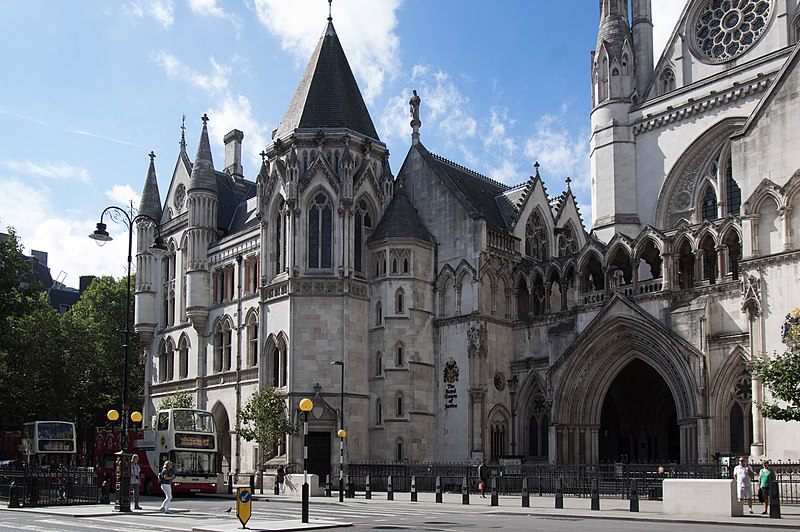
Meanwhile, two British trade unions told a London court on Tuesday that the government has unlawfully passed the $23 billion cost of discriminatory pension reforms onto workers. The trade unions, the Fire Brigades Union and the British Medical Association, which represents 160,000 doctors and medical students, said the UK’s finance industry is making members of newer pension schemes shoulder the bill for its own mishap.
The unions’ case follows the 2018 court ruling that determined that the exclusion of younger staff from the beneficial “legacy” pension schemes as part of wider government reforms was equal to age discrimination.