Iran's United Nations Ambassador Amir Saeid Iravani declared Thursday that Tehran has no intention of closing the Strait of Hormuz, even as the country's newly appointed supreme leader, Mojtaba Khamenei, signaled that blocking the critical waterway remains a viable pressure tool against Western powers.
Speaking to reporters at the UN headquarters, Iravani sought to strike a careful balance between reassurance and warning. "We are not going to close the Strait of Hormuz," he stated, while firmly adding that preserving peace and security within the strategic shipping lane is Iran's inherent sovereign right.
In a prepared statement, the Iranian ambassador reaffirmed Tehran's commitment to freedom of navigation under international maritime law, a principle that governs one of the world's most vital trade corridors. However, Iravani placed the blame for current regional tensions squarely on Washington, arguing that ongoing instability in and around the Strait of Hormuz stems directly from what he described as American aggression against Iran and its broader destabilizing influence across the Middle East.
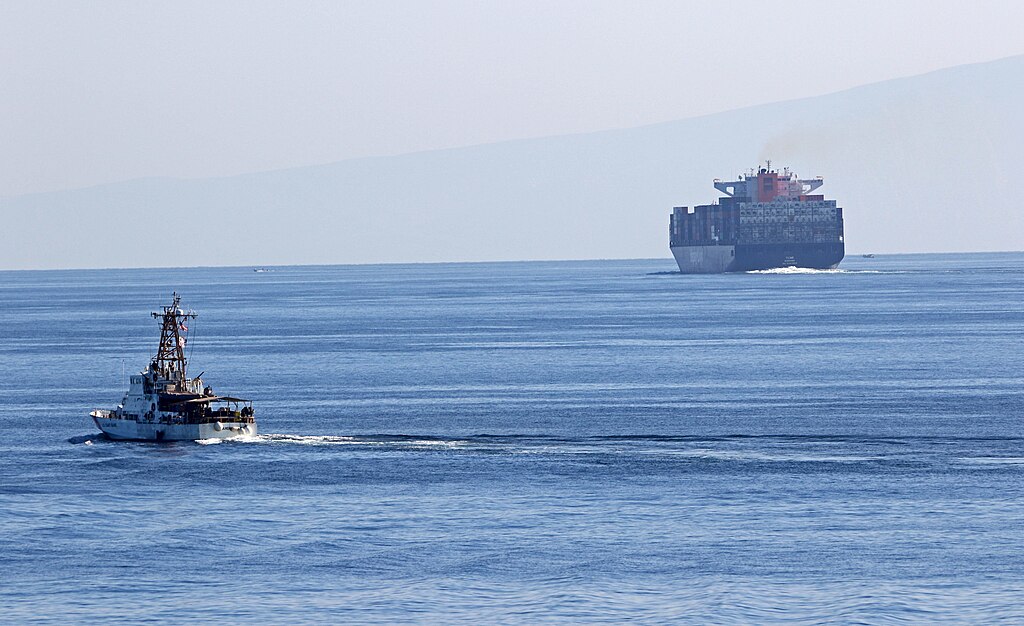
The remarks come amid rising geopolitical friction after U.S. Treasury Secretary Scott Bessent told Sky News that American naval forces, potentially joined by an international coalition, could escort commercial vessels through the strait when militarily feasible. Iravani declined to comment directly on Bessent's statement.
The Strait of Hormuz is one of the world's most strategically significant chokepoints, with roughly 20% of global oil shipments passing through its narrow waters daily. Any disruption to navigation there would trigger immediate shockwaves across global energy markets.
With tensions between Iran and the United States continuing to escalate, the international community is watching developments in the Persian Gulf closely, as diplomatic signals from both sides grow increasingly complex and high-stakes.